

Kenya is a year-round destination, but the best time to visit Kenya is July to October or January to February depending on what you want to do. Safari travel drives most decisions. Wildlife viewing, beach trips, and budget planning all follow different seasons, so timing shapes the whole experience. The dry season usually gives the best safari results. Parks stay open, roads stay firm, and animals gather near water. Sightings feel easier and more consistent. Migration season, especially in Maasai Mara, brings large movements and bigger crowds. Prices also rise during this period, which matters for Indian travellers planning long holidays.
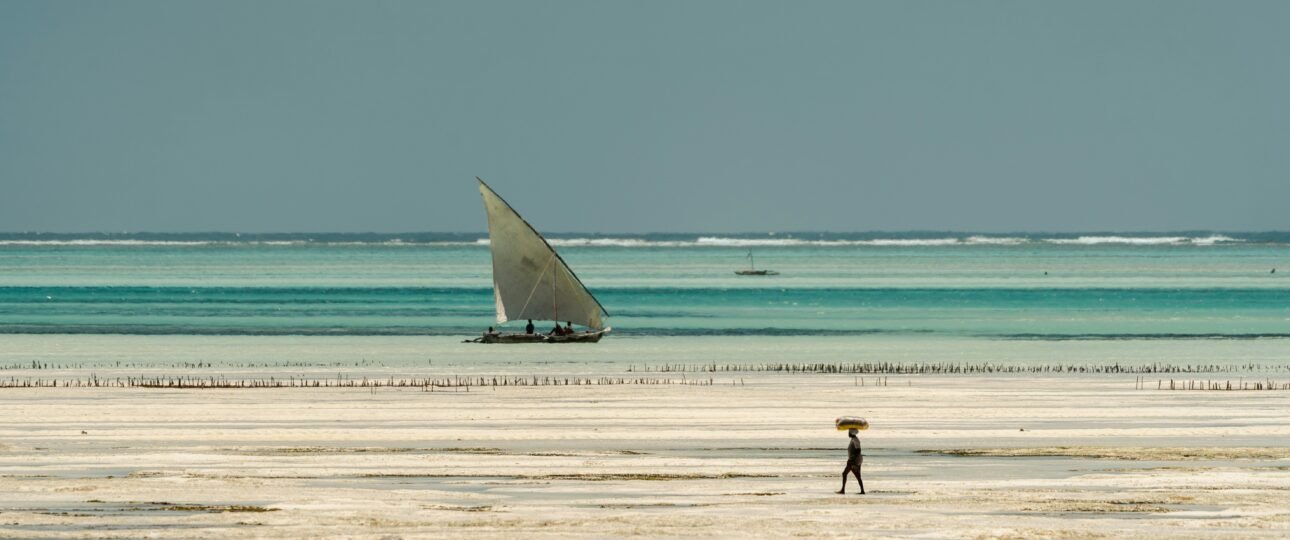
Rainy months feel very different. Parks turn green and quiet. Lodges cost less, but wildlife is harder to spot because animals spread out. Some travellers like this slower pace. Others prefer the dry clarity. Coastal Kenya does not follow the same pattern as safari regions. Beaches like Diani and Watamu stay warm and humid almost all year. So you can mix safari and beach, but the timing will feel different in each place. That contrast is key when planning.
Also Checkout: Best Time to Visit Kenya Safari
You can also explore our Places to visit in Kenya guide to understand what you can combine with your safari trip. Kenya offers a mix of wildlife parks, scenic landscapes, and coastal destinations depending on the season you choose. Get in touch on WhatsApp to get personalized recommendations, seasonal guidance, and updated travel pricing before you book.
Best Season for Safari in Kenya
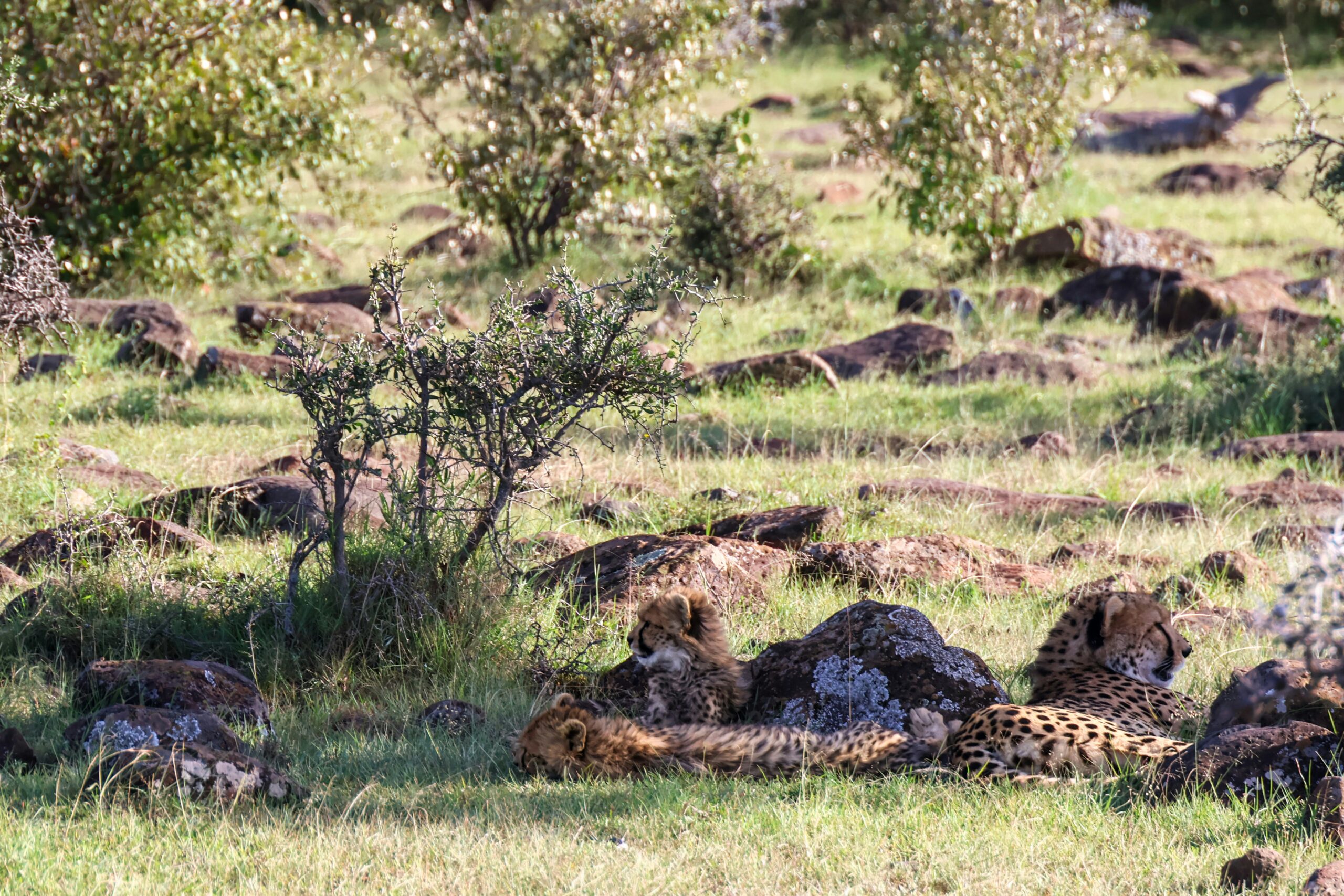
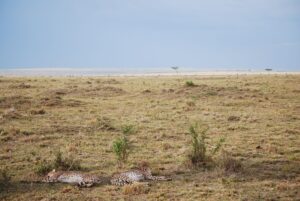
The best time of year to visit Kenya for safari is usually the dry season, when wildlife becomes easier to spot and movement across parks feels more predictable. Grass stays short, water sources shrink, and animals gather in open areas. That simple shift changes everything on a game drive, you see more in less time.
June to October sits at the heart of this safari window. Roads stay firm, skies stay clear, and early mornings bring sharp light for photography. Lions often rest near open plains. Elephants move in steady herds toward rivers. It feels calmer, but also more active around waterholes. That balance is what most people come for.
June to October Safari Season
This stretch is the most reliable period for safaris across Kenya. Morning drives feel cool and crisp. Afternoons stay dry. Visibility stays high almost every day.
Wildlife patterns are easy to read here:
- Animals gather near rivers and waterholes
- Predators stay close to grazing herds
- Grass is short, so sightings feel clearer
Prices rise during peak months, lodges book out early. Sounds intense? It is. Planning ahead makes a big difference.
Great Migration Timing in Masai Mara
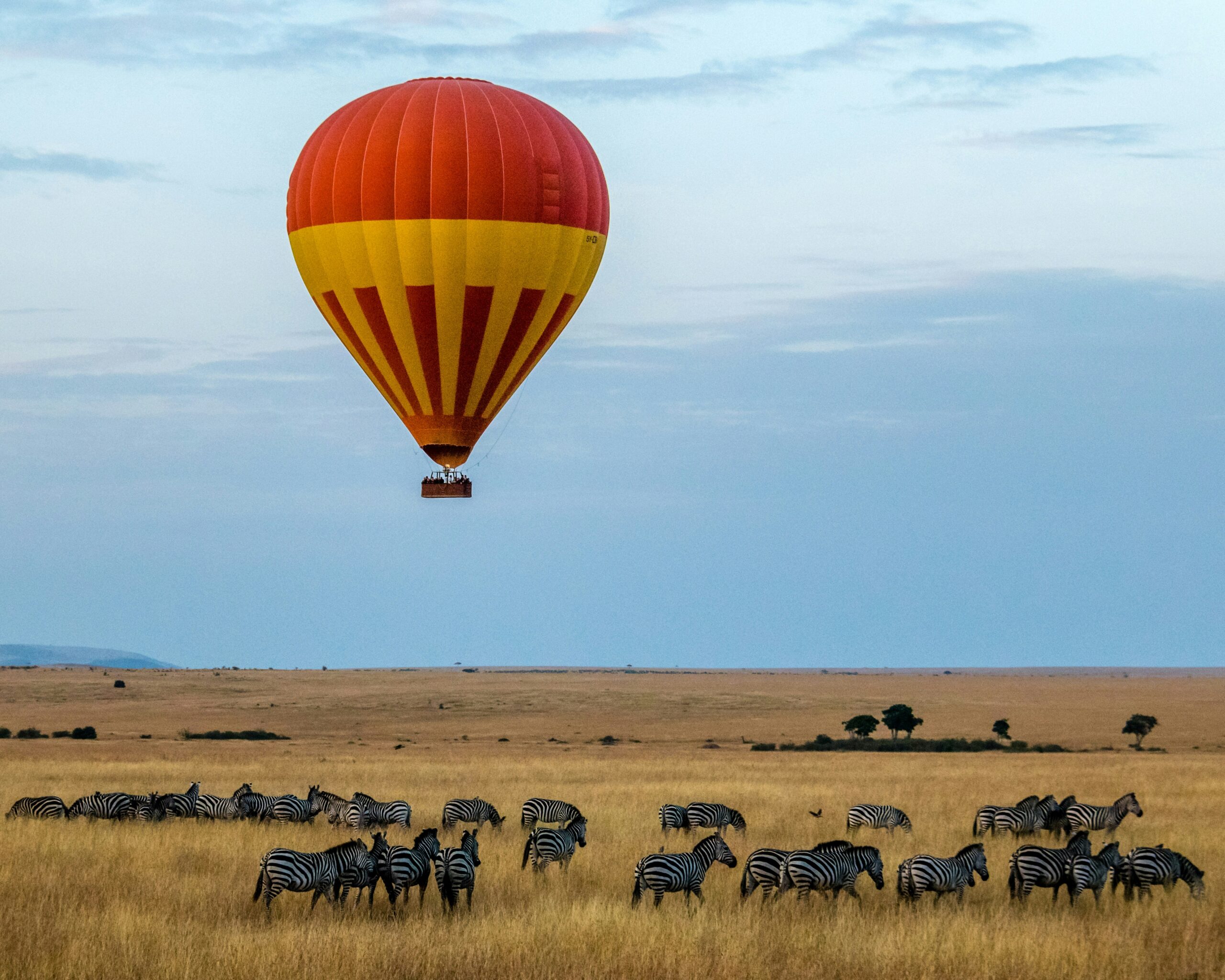
The Great Migration usually peaks between July and September in the Masai Mara. Huge herds move across the plains following fresh grazing. River crossings bring the most dramatic scenes, especially at the Mara River. Crowds increase during this window. Photographers arrive early for prime spots. If you want quieter game drives, aim for early June or late October instead.
Wildlife Viewing Conditions Month by Month
January to March brings dry heat and good visibility. April and May bring heavy rain and fewer vehicles in the parks. November brings short rains but still decent game viewing in many regions.
Quick summary:
- Best wildlife visibility: June to October
- Best migration action: July to September
- Best budget travel: April to May
- Best photography light: early mornings year-round
Also read about: Safaris in Tanzania
Kenya Weather by Season
Kenya weather changes fast across the year, and that shift shapes every trip. Safari comfort, road access, and packing all depend on it. Some months feel dry and easy to travel. Others bring heavy rain that slows movement and changes plans on the ground.
Dry Season in Kenya
Dry months run from June to October and again from January to February. Skies stay open and days feel warm. Nights turn cool, especially in higher parks. Safari roads stay firm and easy to drive. Animals gather near rivers and waterholes. That makes sightings clearer and faster. Pack light layers for the day. Add warm clothes for early morning drives. Cold air hits harder in open safari vehicles.
Long Rainy Season (March–May)
This is the wettest stretch of the year. Rain falls often and sometimes for hours. Grass grows tall. Dirt roads turn soft and slow. Some lodges stay open, but travel feels harder between parks. Wildlife spreads out because water is everywhere. Sightings take more patience. Carry waterproof jackets and quick-dry clothing. Expect delays, plan flexible routes.
Short Rainy Season (Oct–Dec)
Rain comes in short bursts during this season. It does not stop safaris, but it changes visibility quickly. One hour can be bright sun. Next hour there will be cloudy skies. Prices drop in many safari areas. That helps budget travellers. Roads stay usable in most parks, though some tracks get slippery after rain.
Coastal Weather vs Safari Regions
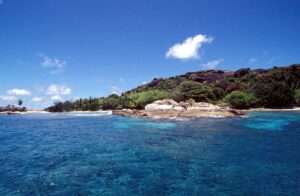
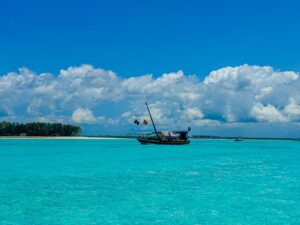
Coastal Kenya feels hot and humid almost all year. Think Mombasa and Diani beaches. Warm air stays even during rain. Safari regions feel different. Maasai Mara and Amboseli stay cooler, especially in the morning and evening. This contrast matters when packing for both beach and safari. Light clothes for the coast, warm layers for game drives.
Month-by-Month Guide to Visiting Kenya
Kenya travel changes a lot across the year. Weather shifts, wildlife movement changes, and prices rise or fall depending on the season. Some months feel perfect for safaris. Others work better for budget travel or quiet beach time. The best choice depends on what kind of trip you want.
January – March
These months stay mostly dry and warm. Safari conditions are strong across major parks like Maasai Mara, Amboseli, and Tsavo. Animals gather near water, so sightings feel easy and direct. Skies stay clear, which helps photography. Crowds stay moderate, especially in January and February. March starts to feel warmer and slightly more humid. Prices sit in the mid range compared to peak season. Beach conditions on the coast feel very good during this time. Diani and Watamu beach stay sunny and calm.
Quick highlights:
- Weather: Dry, warm days, cooler mornings
- Safari: Excellent visibility
- Crowds: Medium
- Pricing: Mid-range
- Beach: Strong season
April – June
April and May bring long rains. Heavy showers hit many safari regions. Roads can get muddy, and travel slows down. Wildlife spreads out because water is everywhere. June starts the dry season shift, parks begin to clear. Safari conditions improve quickly toward the end of this period. Prices drop in most lodges during the rainy months. That makes this period popular for budget travellers. Beach areas still work, but humidity stays high.
Quick highlights:
- Weather: Wettest months in April–May
- Safari: Lower visibility early, improving in June
- Crowds: Low
- Pricing: Best deals of the year
- Beach: Hot and humid
July – September
This is peak safari season in Kenya. The Great Migration arrives in Maasai Mara around July. Huge herds move across the plains. River crossings create dramatic scenes. Weather stays dry and stable. Roads stay open. Wildlife viewing is at its best across most parks. Photographers get strong early morning light. Crowds increase sharply, especially in August. Lodges fill fast and prices peak. Beach conditions stay good, but most travellers focus on safari during this period.
Quick highlights:
- Weather: Dry and clear
- Safari: Peak season + migration
- Crowds: High (especially August)
- Pricing: Highest of the year
- Beach: Good but secondary
October – December
October stays dry in most regions, with strong safari conditions continuing from peak season. Crowds start to drop after September. This makes it a good transition month for calmer game drives. November brings short rains. Showers are quick but can affect visibility. Wildlife viewing still works in many parks, but conditions change day by day.
December turns busy again due to holiday travel. Families and international tourists increase demand, especially around Christmas and New Year. Prices rise again. Coastal Kenya performs well in December, making it a strong beach month.
Quick highlights:
- Weather: Dry in October, short rains in November
- Safari: Good to fair depending on month
- Crowds: Medium to high in December
- Pricing: Rising toward year end
- Beach: Excellent in December
Best Time to Visit Nairobi Kenya
Nairobi works as a year-round city, but the best time to visit Nairobi, Kenya depends on what you want from the trip. The city sits high above sea level, so the weather feels mild compared to most African capitals. Days stay warm and nights feel cool. That mix makes outdoor plans easier almost any month.
January to March and June to October feel the most stable. Skies stay clearer. Walking tours feel easier. Nairobi National Park also works better in these dry months. Animals move closer to water, so sightings improve without long drives. Rainy months still work for city travel. But short showers can interrupt outdoor plans. Museums, cafés, and markets become better backup options during those days.
Quick view:
- Weather: Mild all year
- Best months: Jan–Mar, Jun–Oct
- Safari park: Strong in dry months
- City travel: Works anytime
- Crowd level: Moderate
Explore the best: Attractions in Nairobi Kenya
Cheapest Time to Visit Kenya
The cheapest time to visit Kenya usually falls during the rainy months, especially April to June and parts of November. Tourism slows down, so prices adjust quickly, flights drop first. Hotels and safari packages follow soon after. For Indian travellers planning long trips, this is where savings become clear. Safari lodges reduce rates during this period. Some drop prices sharply to attract visitors. That opens up higher-end camps at lower budgets. But the trade-off is weather. Rain affects roads. Wildlife becomes harder to track because animals move across wider areas.
Still, the country feels different in this season. Green landscapes stretch across the parks. Fewer vehicles mean quieter safaris. That changes the experience.
Budget snapshot:
- Flights: Lowest in April–May
- Hotels: Heavy discounts
- Safari deals: Strong value offers
- Roads: Slower after rain
- Crowds: Very low
Worst Time to Visit Kenya (What to Avoid)
The hardest travel period in Kenya is the peak rainy season from April to May. Heavy rain affects safari routes. Some dirt roads become muddy and slow. Travel between parks takes longer than usual. Wildlife viewing also becomes less predictable. Animals spread out because water is everywhere.
That means fewer easy sightings during game drives. Humidity rises across both safari and coastal regions. That can feel uncomfortable, especially for long outdoor days. Photography also gets tricky due to cloudy skies, but there is another side. Fewer tourists travel during this time. Prices drop and parks feel quiet and open.
Key points:
- Weather: Heavy rain, high humidity
- Safari: Lower visibility
- Roads: Slow and muddy
- Crowds: Very low
- Prices: Cheapest season
Best Time for Kenya Safari vs Beach Holiday
Safari and beach travel in Kenya follow different weather patterns. That is why timing matters so much. Safari regions like Maasai Mara and Amboseli work best in dry months. Wildlife gathers near water, so sightings feel easier and more reliable. Coastal areas like Mombasa and Diani stay warm almost all year. Even during rain, beaches remain usable. But humidity stays high, which changes comfort levels.
This difference creates planning choices. If safari is the main goal, dry months should come first. Beach time can be added around it. The smoothest mix usually happens between July and September or January and March.
Simple breakdown:
- Best safari time: Jun–Oct, Jan–Mar
- Best beach time: Dec–Mar, Jul–Oct
- Best mix: Jan–Mar or Jul–Sep
Travel Tips for Visiting Kenya
Travel in Kenya works best with simple planning. Visa rules are easy for most visitors, including Indian travellers, who usually apply online before arrival. Health checks may include vaccines depending on travel history. Packing changes by season. Light clothes work for daytime. Warm layers are needed for early mornings on safari. Nights in high-altitude parks feel cold, even when days are warm. SIM cards are easy to buy at airports and cities. Networks work well in towns and major parks, though remote areas may lose signal.
Checklist:
- Visa: Apply online before travel
- Health: Check vaccine requirements early
- Clothes: Light wear + warm layers
- SIM card: Buy local for better data
- Transport: Guided safari tours are best for parks
- Food: Vegetarian meals available in most hotels
- Budget: Mid to high range for safaris
For Indian travellers, vegetarian food is easy in cities and lodges. Connectivity drops in remote parks, so offline planning helps. That keeps the trip smooth and stress-free.
Read here about: Kenya’s Safety
Conclusion
Kenya offers something different in every season, and the best time to visit Kenya depends on your travel goal. Dry months give strong safari conditions with clear wildlife sightings and easier travel. Rainy months bring lower prices and quiet parks, but with slower movement and less predictable game drives. Coastal areas stay warm almost all year, which adds a beach option to the same trip. That contrast makes planning important. If safari matters most, choose the dry season first. If budget matters more, rainy months work well. Either way, Kenya delivers a mix of wildlife, landscapes, and coast that stays memorable long after the trip ends.
You can also check our Things to do in Kenya guide if you want to explore activities beyond safaris. From game drives to cultural experiences, Kenya offers something different in every season. Get in touch on WhatsApp to receive customized travel advice, itinerary planning support, and current package details.