
A Serengeti safari in Tanzania starts with one decision. Which months match what you actually want to see. The dry season, from July through October, brings the famous Mara River crossings. Wetter months bring the wildebeest calving season instead. That happens on the quieter southern plains, from January through March. Most trips run four to six nights. They pair the Serengeti with the Ngorongoro Crater on the same route. This guide covers the migration calendar and the camps worth booking. It also covers what a real Serengeti safari package costs in 2026.
Best Time to Visit the Serengeti in Tanzania
The best time to visit Tanzania’s Serengeti depends on your priorities. Chase the river crossings, or chase a quieter, cheaper trip instead. Both windows work well for most travelers. The long dry season runs from July through October. Grass thins out fast across the plains. Wildlife bunches up near the water that is left. That is when the Mara River crossings happen in the north. Most guides treat that window as the only right answer. It really is not the only good one. August and September carry the biggest crowds of the year. Camp rates climb the highest in those two months too.
January through March brings a different kind of safari. The herds gather near Ndutu on the short grass plains. They gather there to calve. Close to eight thousand calves are born on some days. That happens during the peak weeks in February. Predators follow every one of them. Lodge rates drop during this stretch too. Crowds thin out considerably as well.
Here is how the year actually breaks down, month by month.
| Months | What’s Happening | Best For | Crowds |
| Jan–Mar | Calving on the southern plains near Ndutu | Predator action, lower rates | Low to medium |
| Apr–Jun | Green season, herds move north through central Serengeti | Lush scenery, fewer people | Very low |
| Jun–Jul | Grumeti River crossings in the western corridor | Fewer crowds than the Mara crossings | Low to medium |
| Jul–Oct | Mara River crossings in the north | The classic crossing photograph | High to very high |
| Nov–Dec | Short rains, herds head back south | Good value, quieter camps | Low |
Traveling in April or May usually brings the best value of the year. Rates drop and roads get quieter. The plains also turn a deep green after the rains. Rain does show up most afternoons. It rarely lasts long though. Sound like the wrong trade for a first safari? It is not, especially if crowds bother you more than a quick shower does.
First-time visitors chasing one signature moment usually pick July through October. Repeat visitors and photographers often prefer the quieter shoulder months instead. Budget-conscious travelers should look hardest at April, May, and November. Rates drop the most in those three months across nearly every camp tier. Families with young kids often do best in the calving months. Predator action stays close to camp then, with far less driving between sightings.
Photographers chasing a crossing shot should still book July or August. Book that trip about a year ahead if you can. Combine your Serengeti trip with a beach stretch afterward. The calendar gets a little more complex then. Best time to visit Tanzania covers how Zanzibar’s rains line up against the parks. The 2026 Mara River crossings still run roughly July through October. Camps in that window book out the fastest of the year. Pick your month before you pick your camp.
Best Serengeti Safari Camps
The right camp for your Serengeti safari is not the fanciest one. It is the one that matches your trip length and your budget. Central Serengeti tented camps put you inside the park at a mid-range price. Far north camps chase the crossings directly, at a much steeper rate.
Sayari Camp sits in the northern Serengeti, near the Mara crossing points. It suits one kind of traveler. Someone chasing the crossings, with the budget for an ultra-luxury tent. Most travelers on a four to six night trip skip that price tier entirely. They stay instead in central camps near Seronera. Those camps sit inside the park, without the northern premium attached.
That gap matters more than most guides admit. A camp near Seronera gives you resident lions most days of the year. Leopards show up often too. A far north camp only pays off if your dates match the crossings. Book the wrong region for your dates and you pay luxury rates for an ordinary drive.
Here is a rough breakdown by tier, based on nightly rates per person.
- Ultra-luxury ($700 to $2,000+ per night): private concessions, Sayari-style camps in the far north, best for crossing season only.
- Luxury ($350 to $700 per night): well-run central Serengeti camps with strong food and guiding.
- Mid-range ($150 to $350 per night): solid tented camps like the ones used on Alika’s own Serengeti packages.
- Budget ($60 to $150 per night): basic tented camps and public campsites, still inside the park.
Land of Nature Tented Camp sits well inside that mid-range tier. We use it on several of our own itineraries. It puts you inside central Serengeti without the far north price tag. Ngorongoro Coffee Lodge, on the crater rim, works the same way for the Ngorongoro leg of your trip. Neither camp chases high-end finishes. Both chase location and reliable guiding instead. Guests wanting a splurge without the far north price should look at luxury camps near Seronera instead. Those sit inside the park’s strongest game-viewing zone, at roughly half of Sayari’s nightly rate.
Our guide to tented safari camps covers what separates a good stay from a rough one. Still weighing Kenya against Tanzania for this trip? Our Masai Mara versus Serengeti comparison breaks down the real difference. If Sayari’s price does not fit your trip, message us on WhatsApp. We will point you to a central camp built for your actual budget.
Wildlife You’ll See on a Serengeti Safari
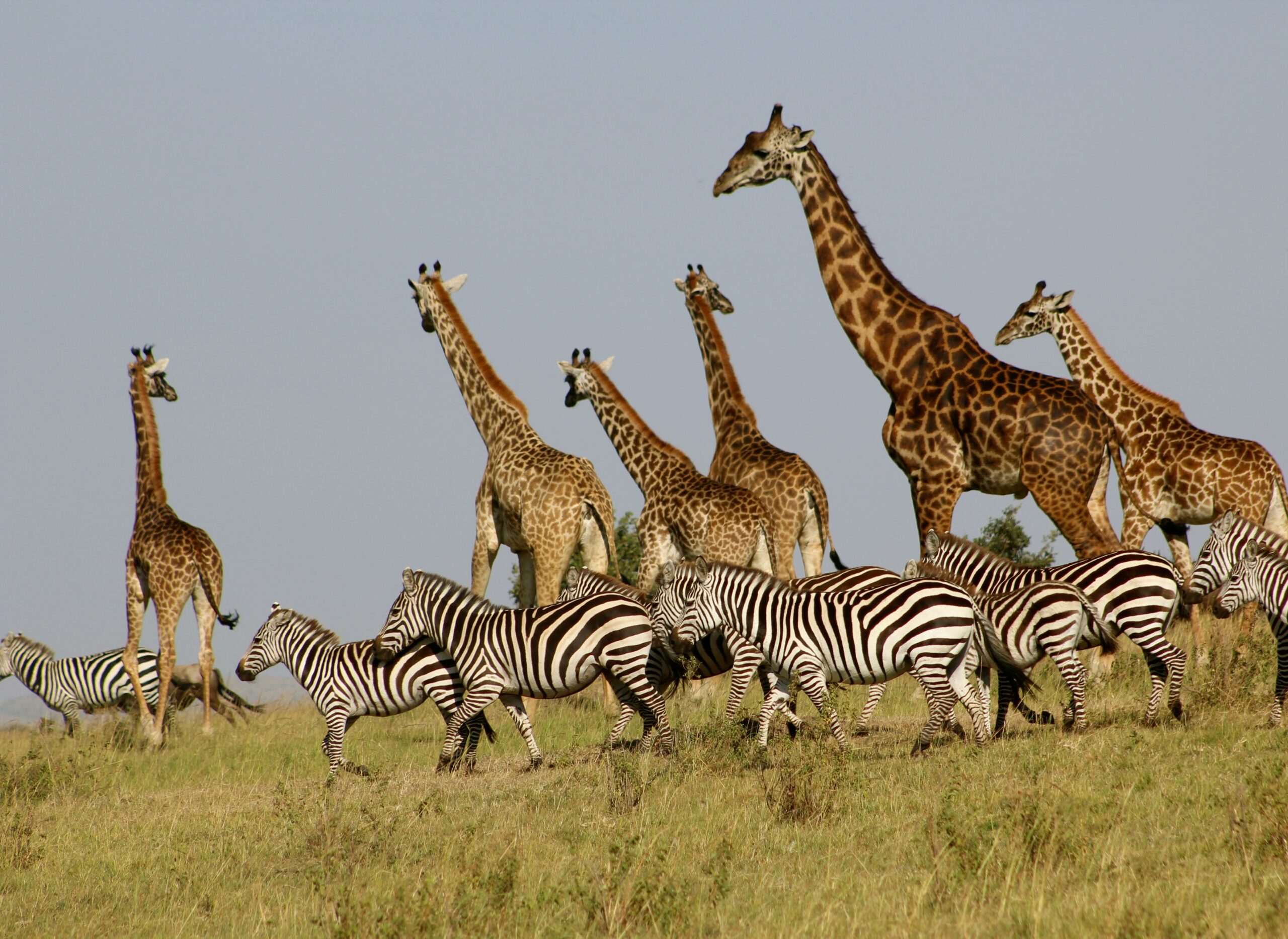
Lions are common here, but rhinos are not. The Serengeti holds four of the Big Five without much searching. Lions, leopards, elephants, and buffalo all show up on a normal week of game drives. Rhinos are the rare exception here. Ngorongoro Crater, close by, holds a far stronger population of them instead.
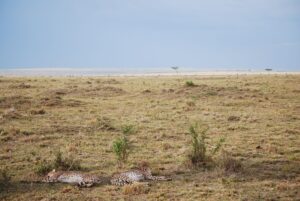
The Serengeti carries the highest lion density in Africa. Seronera Valley alone holds several well-studied prides. Multiple sightings in a single game drive happen often here, especially at dawn. Leopards favor the fig trees along the Seronera River. They rest on low branches through the heat of the day. Cheetahs prefer the open southern plains instead. Flat, short grass gives them room to run down prey at real speed.
Elephants move through in large herds, mostly in the north and west. Hippos and crocodiles pack the rivers, especially near crossing points. Watching a crossing means watching both predator and prey at once. Birdlife adds up fast too, with over five hundred species recorded. Kori bustards, secretary birds, and lilac-breasted rollers turn up on most drives. Sound like more wildlife than one trip could reasonably cover? It usually is, and that is exactly why people come back a second time.
Serengeti Safari Packages and What They Actually Cost
Most Serengeti safari cost guides hand you a wide range with no itinerary behind it. Here is a real one instead, pulled from our own tour pages. Our 4-day Tarangire, Serengeti, and Ngorongoro safari starts at $1,430 per person. Ngorongoro Coffee Lodge, on the crater rim, is the first stop. Thorntree Tented Camp, inside central Serengeti, comes right after. That price covers a non-AC 4×4 for every game drive. It also covers park fees, a guide, and all transport. Taxes, airport transfers, set meals, and drinking water are included too. It skips international flights, tips, and visa fees. Our 5-day Ngorongoro and Serengeti safari runs a little longer. The per-person rate drops as your group grows.
| Package | Nights | Camps | Price Per Person |
| 4-Day Tarangire, Serengeti & Ngorongoro | 3 | Ngorongoro Coffee Lodge, Thorntree Tented Camp | From $1,430 |
| 5-Day Ngorongoro & Serengeti (2 sharing) | 4 | Ngorongoro Coffee Lodge, Land of Nature Tented Camp | $2,499 |
| 5-Day Ngorongoro & Serengeti (4 sharing) | 4 | Ngorongoro Coffee Lodge, Land of Nature Tented Camp | $2,120.25 |
| 5-Day Ngorongoro & Serengeti (6 sharing) | 4 | Ngorongoro Coffee Lodge, Land of Nature Tented Camp | $1,927.50 |
As of 2026, the six-person rate is the best value on this package. A smaller group still keeps the trip inside the mid-range camp tier. Prices shift with fuel costs and park fee changes though. Ask us to confirm current rates before you commit to dates.
We build every Serengeti itinerary around your dates and group size. Message us on WhatsApp or email us. We will confirm current pricing and camp availability before you book anything. You can also view the full 4-day Tarangire, Serengeti and Ngorongoro itinerary on our site. Or check the 5-day Ngorongoro and Serengeti itinerary directly.
Serengeti and Ngorongoro Crater: Why They’re Usually Paired
Most people research the Serengeti and Ngorongoro as two separate trips. They rarely are, in practice. Nearly every itinerary out of Arusha drives right through Ngorongoro. That happens on the way to the Serengeti’s central plains. Skipping the crater does not save you a driving day either. Your vehicle passes right by the rim regardless of your route. The crater floor holds a strong black rhino population too. Dense lion prides and flamingo lakes sit there as well. Both of Alika’s own packages build a full crater day into the route. That is exactly why the route works that way.
Think of it less as padding and more as the natural first stop. You get the rhinos and the crater floor early in the trip. Several full days of Serengeti game drives follow right after.
How Many Days You Need for a Serengeti Safari in Tanzania
Four days is the floor for a Serengeti safari, not the ideal length. Fewer nights than that and you lose real time to transit. That time comes straight out of your game drives. Our own 4-day package sits right at that floor. It works well for a first, focused trip. Travelers chasing the river crossings often book longer instead. Five to seven nights is common for that kind of trip. So is pairing the parks with a Zanzibar beach stretch afterward. Extra nights buy a second full day inside the crater. They also widen your window to catch the migration that week.
Repeat visitors sometimes push past ten nights. They split time between the central plains and the far north. First-timers rarely need that much time. Most are happy with four to six solid nights on the ground.
Getting to the Serengeti
Flying and driving both reach the same plains. They do not leave you the same amount of time though. A flight from Arusha to Seronera takes about an hour. The overland route through Ngorongoro takes seven to eight hours instead.
On a four-day trip, that road transfer costs you real time. It eats close to a third of your available game-drive hours. That math changes on a longer trip. A scenic overland day can add something worthwhile there instead. Most of Alika’s packages mix a drive in with a flight out. The exact route depends on your season and your itinerary. Read Tanzania destination page that lists every route running from Arusha.
Game Drives: What Your Days Actually Look Like
Knowing your daily rhythm matters as much as knowing your dates. Most camps run two drives a day, one at dawn and one late afternoon. Dawn drives start before sunrise, while the air still holds a chill. Predators stay active in that early window, before the heat sets in. Cats hunt hardest in the first and last hours of daylight. Midday drives happen too, though sightings slow down considerably then. Most wildlife rests in shade once the sun climbs high.
A private vehicle changes the pace of the whole day. You can sit at a sighting for as long as you want. Shared vehicles move on faster, since other guests want their turn too. Neither option is wrong, but they suit different kinds of travelers. Photographers and slow travelers usually prefer a private vehicle instead.
Night drives run on some private concessions near the park border. Regular park rules do not allow them inside Serengeti National Park itself. Those night drives reveal leopards, genets, and other creatures the daytime never shows. Ask your operator which drives your camp actually offers before you book.
Quick Packing and Practical Tips
Pack light before anything else. Light aircraft between airstrips enforce a strict luggage limit. That limit sits at fifteen kilograms per person, soft bags only. Hard-shell suitcases usually get refused outright. A few other details catch first-timers out most seasons.
- Luggage: soft-sided bags only, fifteen kilograms including camera gear.
- Clothing: neutral colors like khaki and olive, since tsetse flies target dark blue and black.
- Health: malaria pills started before you fly, not after you land.
- Vaccination: yellow fever certificate required only if you arrive from a risk country.
- Documents: a Tanzania e-visa or visa on arrival, confirmed well before departure.
Our guide to preparing for a safari adventure covers gear in more depth. For visa paperwork, read travel documents and visa requirements guide walks through exactly what you need.
FAQs
Is a Serengeti safari safe?
Yes, the Serengeti counts among Tanzania’s safest, best-run parks. All game drives happen from inside a vehicle with a trained guide. Serious incidents involving visitors stay rare here, year after year. Malaria is the real health risk, not wildlife or crime. Start your malaria pills before you fly, not after you land.
Can I combine the Serengeti with Zanzibar?
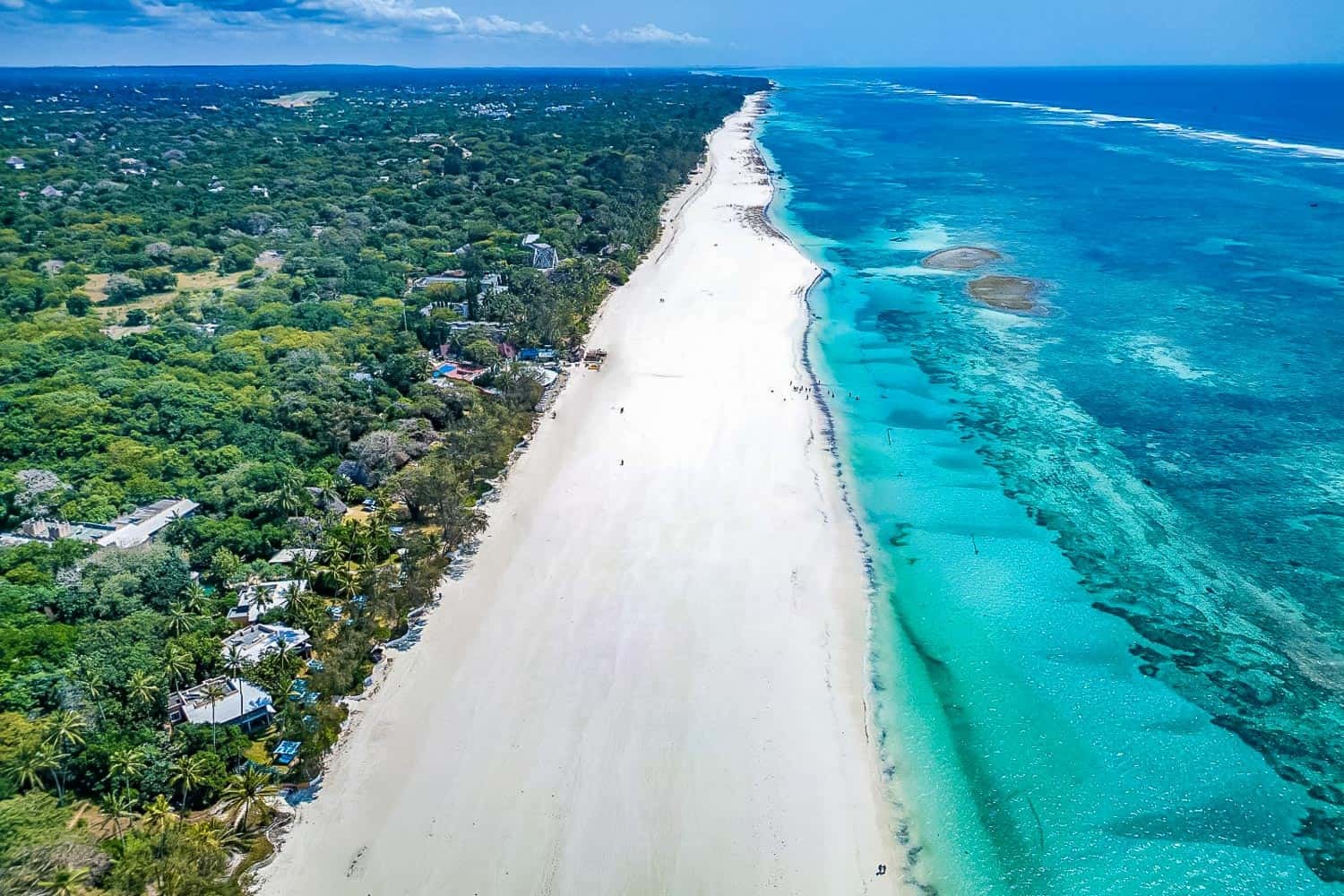
Yes, and plenty of travelers do exactly that. A short flight connects Kilimanjaro or Arusha to Zanzibar in under two hours. Most guests add three to five beach nights right after their safari days.
Do I need a visa for Tanzania?
Most nationalities need a Tanzania visa, either online or on arrival. Fees and requirements shift from time to time. Confirm current rules with your operator before you fly.
How much does a Serengeti safari actually cost?
Packages here start from $1,430 per person on a four-day trip. Costs climb from there based on nights, group size, and camp tier. See the packages section above for real, current numbers.
What is the best month for a first Serengeti safari?
July offers a strong balance for most first-time travelers. Crossings often start that month, while rates stay a notch below peak season. February works well too, if calving interests you more than crossings.
Conclusion
A Serengeti safari in Tanzania rests on two real decisions. Which months match what you want to see. And which itinerary gets you there without wasting a day in transit. We have built both into Alika’s own Ngorongoro and Serengeti packages. Those packages start from $1,430 per person. Many guests add a few nights on the coast afterward. Our Tanzania safari and Zanzibar guide shows how that combination works. Tell us your travel dates. Message us on WhatsApp. We will confirm current rates and camp availability before you book a single night.