

The best time to visit Tanzania is June through October. That is the default and it earns it. But it is not the only answer. January and February deliver high predator density and green landscapes. September is the sweet-spot month most guides never name as a first recommendation. And November is better than its reputation suggests.
The right answer depends on what you’re going for. Great Migration, Calving season, Kilimanjaro, Zanzibar beach. Budget. Each of those changes the best time to visit Tanzania by a month or two. This guide gives you the decision, not just the data.
You can also explore our 15 best things to do in Tanzania guide to plan your itinerary better. Tanzania offers a mix of safaris, cultural experiences, and coastal adventures that change with the season you choose. Reach out on WhatsApp to get personalized recommendations, seasonal planning, and updated travel pricing before you book.
Dry Season (June–October): The Default Answer and Why It Earns It
June through October is the best time to visit Tanzania for safari, with September as the single strongest month. Crowds thin from the August peak. The migration crossings continue in the northern Serengeti. Prices start to ease from their July–August high. For most people with flexibility within the dry season window, September is the honest best pick.
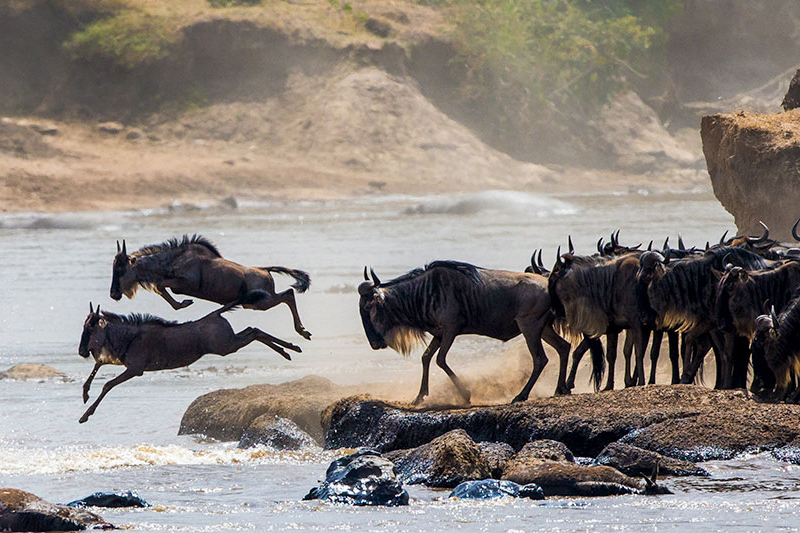
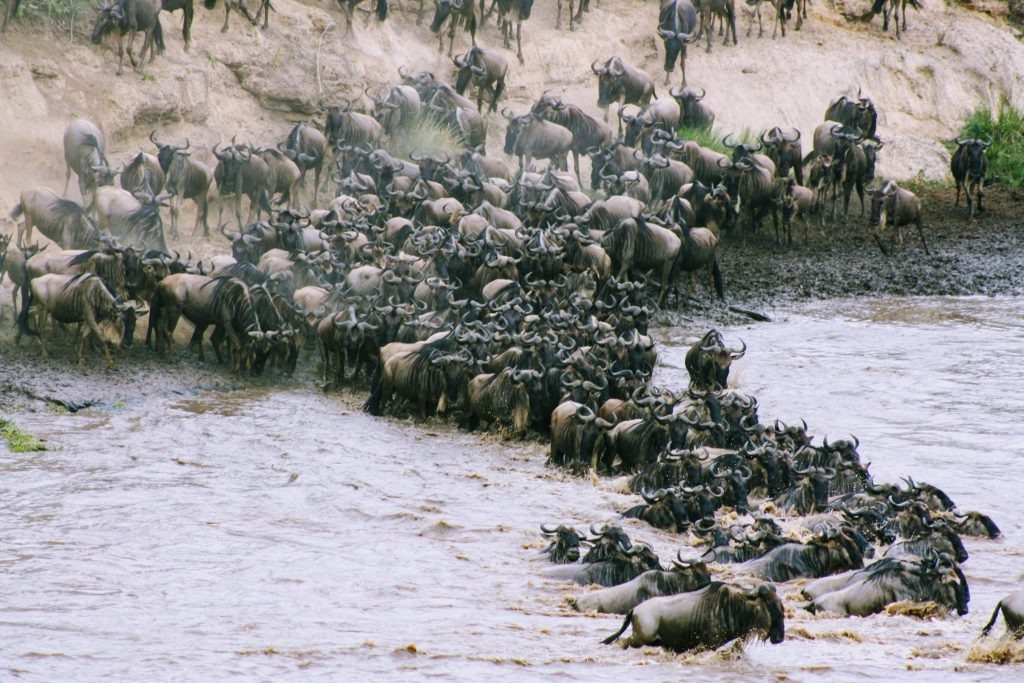
June opens the dry season well. Grass is short, water sources are shrinking, and animals concentrate around rivers and waterholes. Wildlife is dense and visible. July brings the Mara River crossings in the northern Serengeti. Wildebeest built up on one bank. They mill around for hours, sometimes days. Then a few go in and the rest follow. Or they don’t. The crossings cannot be predicted to a date, only to a window. August is the peak. At the Mara River in August, vehicles line up 10 or 15 deep to watch a crossing. The animals are there. So is everyone else.
September corrects that. The herds are still moving. Crossings still happen. But the vehicles thin out and prices start dropping from the July–August ceiling. For 2026 travel, June through August books up fast at top camps. Particularly those in the northern Serengeti near crossing points.
Book six to nine months in advance for peak season. September is still busy but gives you breathing room. October is the tail end of the dry season. Parks are dusty and dry but uncrowded and competitively priced. Not dramatic. Very good value.
Calving Season (January–February): The Best Alternative for Winter Travel
January and February are not second-best. They are just different.
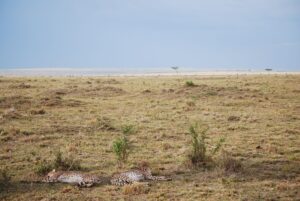
The calving season runs across the southern Serengeti plains, near the Ndutu area, from late December through February. Thousands of wildebeest are born daily. Predators concentrate in numbers rarely seen outside the Mara crossings window. Lion prides move with the herds. Cheetah hunt in open grassland. Hyena and jackal follow close. The landscape is green from the short rains. Softer light, cleaner photos than the dusty brown of the dry season. Sound like a consolation prize? It isn’t.
Tourist numbers are lower than peak season. Lodges near Ndutu are busy but the wider Serengeti feels emptier. For travelers whose wedding lands in December and who want a January honeymoon safari, this timing is strong. For anyone who can travel in January but not June, the calving window is a genuine first choice. Not a fallback. The predator action around a calving site is a different kind of wildlife event. Cheetah, lion, and hyena all working the same landscape at once. Worth booking for its own reasons.
Long Rains (April–May): Who Should and Shouldn’t Visit
April is not worth it for a first-time visitor. May is a different conversation.
April is the wettest month in Tanzania. Roads in some areas become impassable, especially in the western and southern circuits. Many lodges in those areas close entirely. The northern circuit stays open, but the experience is limited. Tracks are muddy. Grass is high. Wildlife spotting gets harder. The trade-off is empty parks and prices as low as they go all year. Some operators report lodge discounts of up to 40% in April compared to peak. That is real money. But the experience uncertainty is also real. For a first safari, April is a hard month to recommend.
May is better. The rains ease toward the second half. More camps are open. Roads in the north are mostly passable again. Wildlife is still there and the green landscape is good for photography. For experienced travelers who have done a dry-season safari and want green-season color and empty parks, May is worth it. First-timers should skip it. Budget-focused travelers willing to accept some unpredictability will also find genuine value. First-timers planning their only Tanzania trip: skip April, consider May with research on which specific lodges are open.
Short Rains (November): The Shoulder Month No One Recommends Clearly
November is better than its reputation. Most guides mention it briefly and move on. Here is what it actually delivers.
The short rains are not the long rains. Daily showers in November are often brief. They fall mostly in the afternoon. The rest of the day is warm and clear. Wildlife continues in the northern circuit. The landscape greens quickly after the dry season. That green shift is good for photos. Prices drop from the September–October levels as the high season wraps up. Lodges that stay open often discount. The crowds are thin. Whale sharks arrive at Mafia Island from October onward, and November is a reliable month for that.
Is November the best month? No. Is it a good month for a budget-conscious traveler who wants thin crowds and lower rates? Yes. The honest verdict: better than any competitor guide makes clear. The main risk is some unpredictability around track conditions after heavier-than-usual rain days. Pack flexibility into the itinerary and November is a solid choice.
Best Time to Visit Tanzania by What You Want to Do
Tanzania is not one experience. When you go should match what you want.
The timing tension most travelers face: they want the Migration, a few days in Zanzibar, and possibly Kilimanjaro. All three have different best windows. The Migration and Zanzibar dry season overlap well, June through October. Kilimanjaro is best January through March and June through October, so it fits into either safari window. The tension is January and February calving season, which is strong for wildlife. But Zanzibar in that window can have wind and swell on the east and southeast coasts. Knowing that before you book changes the itinerary. Knowing the best time to travel to Tanzania depends on which of these you are actually prioritizing.
Here is the decision by trip type:
- Great Migration (river crossings). July through September, northern Serengeti. September for better value and thinner crowds than July–August peak.
- Calving season (predator action, green landscape). January through February, southern Serengeti near Ndutu. Lower tourist numbers, high wildlife density.
- Kilimanjaro climb. January through March or June through October. Both windows work. January through March is warmer at altitude. June through October is drier.
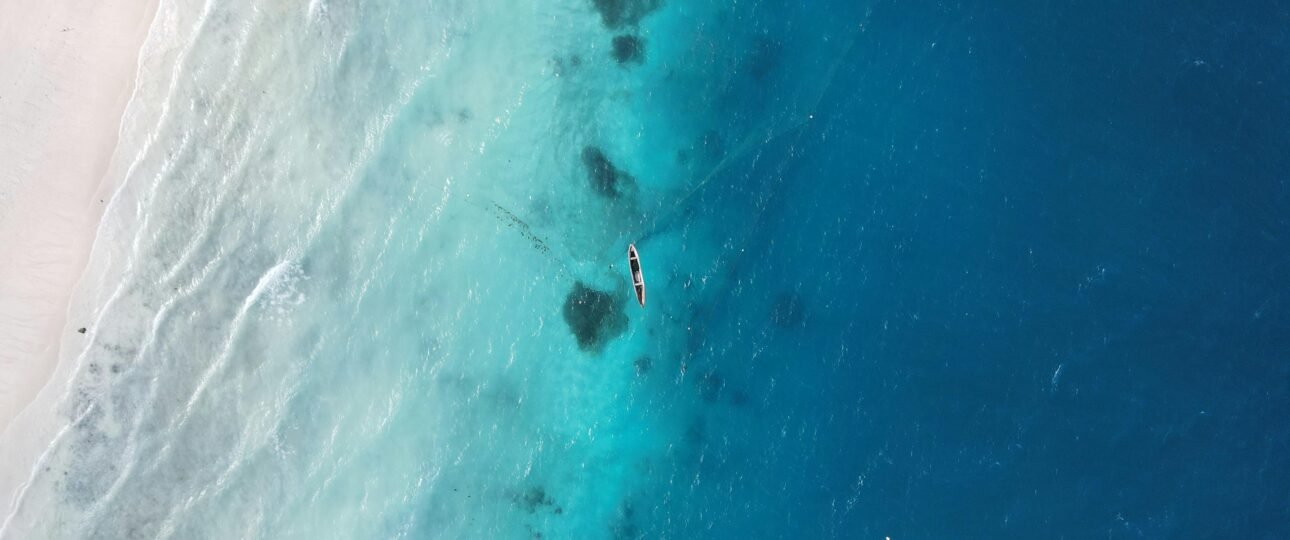
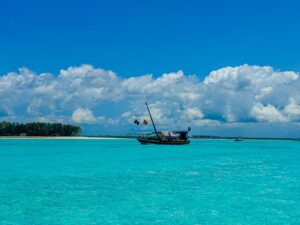
- Zanzibar beach. June through October for calm, clear water on the north coast. December through February also works on the north coast but east coast beaches see more wind. For a full breakdown of how Zanzibar’s seasons play out month by month, the best time to visit Zanzibar guide covers the detail by coast and activity.
- Budget trip. May, November, or early December. The best time to go to Tanzania on a tighter budget is the green season. Lodges discount significantly, park fees are slightly lower in some areas, and crowds are thin.
Pairing the safari with a beach leg? The guide on Tanzania safari Zanzibar covers how to structure both halves across different timing windows so neither side feels compromised.
How Much Cheaper Is the Green Season: Real Numbers
The green season discount sounds vague until you put a number on it.
A mid-range Serengeti lodge at $400 to $600 per person per night in July can drop to $220 to $350 in May. In 2026, verify current rates before budgeting. These figures change annually. But across a 7-night safari, that price gap runs roughly $1,200 to $1,750 in savings per person. Before counting park fees. Add the park fee reduction. Serengeti non-resident fees are reported at about $70 per person per day in peak season. Around $60 in green season. Verify current TANAPA rates before booking. Over 6 days in-park, that adds another $60 per person saved.
For a couple on a 7-night mid-range safari, the green-season saving versus peak season runs roughly $2,500 to $3,500 for two. Before flights. Flights to Tanzania are no cheaper in green season. The saving is entirely in-country. The trade-offs are real. Some lodges close in April. Tracks get muddy in May. The Migration is not in the north during this window. Not chasing the Migration? The green-season case is strong. Very strong.
Month-by-Month: What to Expect in 2026
Run through each month before you book. A few surprises are worth knowing.
January. Calving season in the southern Serengeti near Ndutu. Predators follow the herds. Green landscape, low crowds, good photography conditions. Strong for wildlife in the south. The north is quiet.
February. Calving season peaks. Some of the highest predator density you will see all year, concentrated around the Ndutu plains. Fewer vehicles than June–September. Warm and green. Excellent for the right traveler.
March. Short rains begin toward the end of the month. Still good for southern Serengeti and Tarangire. Kilimanjaro at its warmest and one of the two best climbing windows. Start of the transition period.
April. Long rains. Wettest month. Some lodges close in western and southern circuits. Northern circuit stays open but tracks can be rough. Empty parks, deep discounts, but not for first-timers. Hardest month to recommend.
May. Rains ease mid-month. A good month for experienced travelers willing to accept some unpredictability. Green, uncrowded, discounted. Tarangire and northern Serengeti are the best bets. Avoid southern and western circuits.
June. Dry season begins. Grass short, water scarce, animals visible. Wildlife density starts building. Good month. Not yet peak prices. One of the better-value dry-season months.
July. Peak. Mara River crossings begin in the northern Serengeti. High crowds, high prices, high demand. Book well in advance. Wildlife is outstanding. Worth it if you can take the vehicles at sightings.
August. Peak continues. Busiest month. Prices at their highest. Crossings at their most active. Also the most crowded experience of the year. Great wildlife, but you are sharing it with everyone.
September. The sweet spot. Crowds thin from the August peak. Migration still running. Prices start to drop. September is the single best month for most travelers who want value alongside wildlife. Book early to secure it.
October. End of dry season. Dusty, dry, very few tourists. Some good rates. Short rains usually begin toward the end of the month. Good for anyone who wants northern circuit wildlife without competition. Jacaranda trees bloom around Moshi and Arusha.
November. Short rains. Brief afternoon showers, warm mornings, green landscape. Prices lower than peak. Wildlife continues in the northern circuit. Whale sharks at Mafia Island. Underrated month. Good for budget travelers and anyone who wants thin crowds.
December. Short rains ease toward mid-month. The second half of December sees better conditions. Calving season starts to build in the south. Festive season brings a price spike at some lodges around the Christmas and New Year period. Early December is good value.
Planning the Zanzibar leg around your safari dates? The Nungwi Beach guide and the Paje Beach guide both cover the best months for each coast, which helps when you are trying to align beach timing with your safari window.
Book September First
If you can pick one month, pick September. The Migration is still running in the north. August crowds have thinned. Prices start to drop from their peak. You get most of what July and August deliver at lower cost and with fewer vehicles at sightings.
If September is not available, January and February are a genuine first choice. Calving season, high predator density, lower crowds. June through August is reliable and peak for good reason. Avoid April for a first trip. May and November are good if you are flexible and not chasing the Migration. Know your trip before you pick your month. The timing decision flows from that.
You can also check our Best time to visit Kenya guide if you’re planning a combined East Africa itinerary. Many travelers explore both Kenya and Tanzania together for safaris and migration experiences. Get in touch on WhatsApp to receive customized travel advice, itinerary planning support, and current package details.