

The best time to visit Zanzibar is June to October. Dry skies, calm sea, and clear days an that’s the simple answer. But it shifts fast once you factor in what you want from the trip. A quiet beach feels different from peak season buzz. Diving months don’t line up the same way as low-price deals. And honeymoons? And honeymoons? They need their own timing. Many Indian travelers pair Zanzibar tour packages with a safari in Serengeti National Park, and that changes everything. The mainland runs on a different rhythm. You don’t want to get that wrong. So this guide breaks it down month by month, with real trade-offs. No guesswork. Just clear timing.
You can also explore our Zanzibar holiday packages before finalizing your travel dates. Choosing the right season can make a big difference to your beach experience, weather conditions, and overall itinerary. Chat with us on WhatsApp to get personalized recommendations, seasonal travel advice, and updated package pricing before you book.
The Best Time to Visit Zanzibar – Dry Season (June to October)
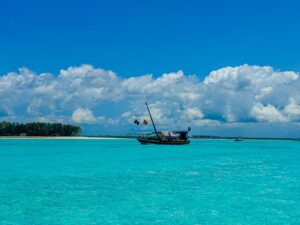
The best time to visit Zanzibar is June to October. Clear skies with low humidity. The air feels light even at noon and day temps sit around 25 to 29°C, and the sea stays calm enough for long swims. This is peak season, so hotels fill fast and prices climb. That’s the trade. For most people, it’s worth it. Especially if you’re pairing the island with a safari in Serengeti National Park. The timing lines up clean. Days start cool, then warm without that sticky feel you get in the wet months. Evenings need a light layer and the Kusi winds blow from the south, steady but not harsh. Beaches look sharp and water turns that clear blue you expect.
This season works best for:
- First-time visitors who want guaranteed sunshine
- Families needing stable weather for outdoor plans
- Honeymooners chasing calm, swimmable water
- Safari plus beach trips during migration months
- Kitesurfers, especially around Paje Beach
Coast choice matters more than most guides admit. East coast spots get choppy under Kusi winds. Fine for kitesurfing and not great for relaxed swims. Head north instead. Nungwi Beach and Kendwa Beach stay calmer through most of this period. Big difference. Pick your base with that in mind. It changes the whole trip.
June – The Island Wakes Up
June feels like a reset. The heavy rains clear out, and the island breathes again. Air turns fresh and beaches open up. It’s the first proper dry month, and you can feel it right away.
Crowds are still thin early in the month and prices sit lower before the July surge hits. That sweet spot doesn’t last long. Temperatures hover around 25 to 27°C, which makes walking through Stone Town easy even in the afternoon. No rush to hide from the sun. Some years, the Zanzibar International Film Festival lands in late June or early July. That adds a cultural layer most beach trips miss. Films, music, local crowds and it feels alive.
July and August – Peak Season, Peak Experience
July and August are the busiest months and they earn it. The sea stays calm, skies stay clear, and underwater visibility hits its best levels of the year. If someone asks for the best time to go to Zanzibar, this is the answer they usually hear and they’re not wrong. It also lines up with the Great Migration in Serengeti National Park and that matters. You can do a safari and beach trip in one clean window. July stands out and it just works.
The downside shows up fast and hotels sell out months ahead and prices jump. For Indian families traveling during school holidays, and booking late is a mistake. Rooms vanish early and flights follow. Marine life steps up too. Waters near Mnemba Atoll offer top diving conditions which offer clear views and strong reef life. Some seasons bring whale shark sightings, Not guaranteed, but it happens.
What this period is best for:
- Best diving visibility of the year
- Whale sharks near Mnemba Atoll
- Migration season in the Serengeti
- Book hotels 3 to 4 months ahead
September and October – Dry Season’s Best-Kept Secret
September and October ease off the peak rush. Fewer people and the same clear skies. The wind softens, and the sea gets easier on both coasts. That matters more than most expect. Days warm slightly, but not in a harsh way. Water stays clear for diving and snorkeling. Hotels drop prices a bit after August. Not cheap, but better. You feel the shift.
October stands out because it balances everything. Swim conditions improve across the island and crowds thin out. Underwater visibility still holds strong and that’s rare. Over on Mafia Island, September brings turtle hatching season. Quiet beaches. Small moments which are easy to miss if you don’t know. Honestly, October might be the smartest choice of all.
Best for:
- Fewer crowds with dry, clear weather
- Better swimming conditions on both coasts
- Strong diving and snorkeling visibility
- Slightly lower hotel prices than peak months
- Balanced safari + beach trips without peak rush
January and February – Hot, Sunny, and Underrated
January and February form the short dry season with bright sun and warm air. The sea stays calm and clear, which makes this a strong pick for beach days and water sports. The best time to go Zanzibar doesn’t always mean July. These months prove it. Temperatures climb to 30 to 33°C. Feels familiar for many Indian travelers. Days are hot, but the breeze helps. Water clarity is excellent for snorkeling and diving and you’ll notice it right away.
January overlaps with school holidays in India. Families show up and prices rise, but not as sharply as peak season. There’s still some breathing room. The Kaskazi wind from the northeast can push seaweed onto east coast beaches. It’s not constant, but it happens. The North coast stays cleaner, Nungwi Beach and Kendwa Beach are safer bets.
Best for:
- Sunny beach trips in winter months
- Clear water for snorkeling and diving
- Family travel during school holidays
- North coast stays cleaner during Kaskazi winds
The Rainy Seasons – What Actually Happens
Rain in Zanzibar splits into two clear phases, not the same. People used to Goa or Kerala monsoon often expect quick showers. That’s not how it works here. Timing matters more than you think. The long rains, called Masika, run from mid-March to late May and this is the wettest stretch of the year. Rain can last for hours, sometimes most of the day and it’s heavy. The air feels thick, and the sea turns rough with poor visibility. Many dive centers slow down or close for a while. Hotels drop rates by 30 to 50 percent, and some shut doors completely. The island does turn lush and green. Places like Jozani Forest and spice farms still work well, but beach time becomes hit or miss and some days wash out.
Then come the short rains, known as Vuli, in November into early December. This phase feels different. Showers are brief, often early morning or late evening. They pass fast. Days still stay warm and usable. Prices dip, crowds thin out, and the mood feels relaxed. By December, skies begin to clear again. That shift shows.
Quick take:
- March: Early month works, late month turns uncertain
- April to May: Wettest period, lowest prices, beaches unreliable
- November: Short rains, lighter impact, good value
- December: Drying trend, festive season builds up
When to Visit Zanzibar Based on What You Want to Do
The honest answer to when to visit Zanzibar depends on who you are and what you are chasing. Same island and different timing. A diver wants clear water, a couple wants quiet sunsets and a family needs stable weather. Get this right, and the trip clicks. Get it wrong, and small things start to annoy.
For Beach Lovers:
June to October gives clear skies and steady sun most days. North coast water around Nungwi Beach stays calm and swimmable. January to February works too with slightly warmer sea and fewer clouds. If you’re still deciding which beach to base yourself at, our guide to Tanzania beaches helps narrow it down fast.
For Divers and Snorkellers:
Water clarity peaks in January to March and again from June to October. Reefs near Mnemba Atoll show their best colors then. October into November is strong near southern sites. Skip late March. Sediment builds after rains. Whale shark trips around Mafia Island run from September to December. Divers looking for a wilder, less visited reef experience should also look into Pemba Island, Zanzibar’s hidden gem every diver should visit.
For Honeymooners:
June to October brings steady weather and clean sunsets. Dhow cruises feel calm, not rushed. September and October see fewer crowds and that helps. January to February is a solid backup with warm water and soft evening light. For a full romantic trip plan, our Zanzibar honeymoon guide covers the best stays, beaches, and experiences for couples.
For Budget Travellers:
May cuts prices hard and hotels drop rates, and the island turns deep green with fewer people. But rain can block beach time. November is a safer play, with light showers. Better value and days still open for plans.
For Families with Children:
July and August line up with school holidays. Weather stays stable, and activities run on time. Resorts fill early, so book 4 to 6 months ahead. Pools, short boat rides, and guided tours work best then.
For Safari plus Beach Combo:
June to October is the clean window with the dry season on the mainland. Peak wildlife action in Serengeti National Park. July stands out. Many trips run 4 to 5 days inland, then a short flight to the coast for 3 to 4 beach days. Easy split. Our full guide on Tanzania safari Zanzibar shows exactly how to structure that combination without wasting days.
Safari Tips – Combining Zanzibar with a Tanzania Safari
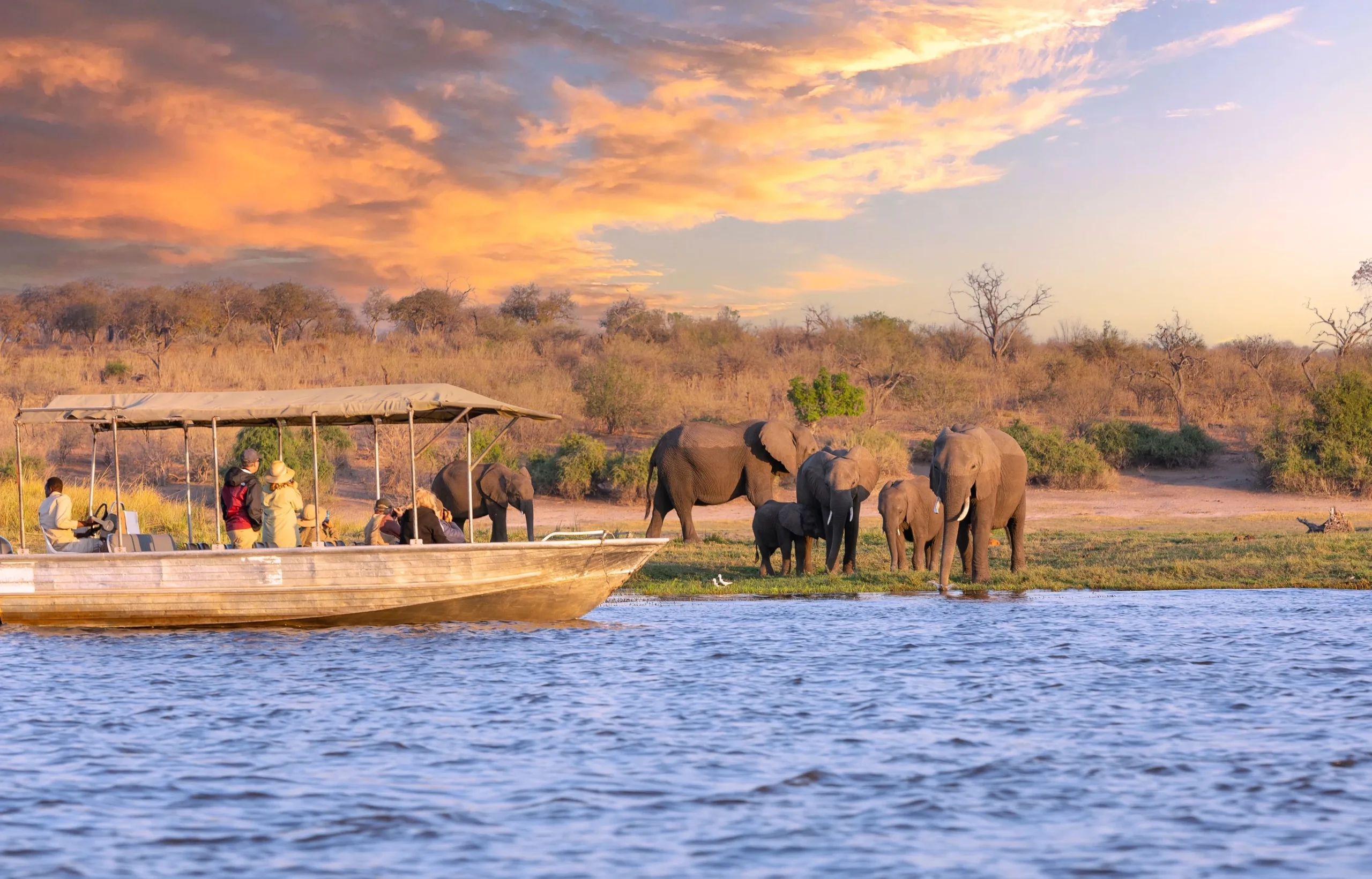
A classic East Africa trip often starts inland, then ends by the sea. That contrast hits hard and dusty plains in Serengeti National Park, then clear blue water in Zanzibar a day later. It feels like two different worlds stitched into one trip.
Most safaris begin around Arusha, the main base for routes into Ngorongoro Crater and the Serengeti. From there, short flights connect straight to Zanzibar and it takes about 45 minutes. Airlines like Precision Air and Air Tanzania run this route daily. Most itineraries fly into Arusha via Nairobi or Dares Salaam, complete the safari loop, then shift to the coast. If you want help planning the wildlife side of the trip, our guide to the best safaris in Tanzania covers every major park and route worth considering.
Timing shapes the whole experience. June to October lines up dry weather on both sides. Wildlife gathers near water on the mainland, and Zanzibar sees its clearest days. January and February offer a different scene. The calving season brings action in the Serengeti and the ocean stays calm and clear too.
Plan it right. It pays off.
- Fly Arusha to Zanzibar via Precision Air or Air Tanzania, about 45 minutes
- Best safari plus beach month: July for migration and dry weather
- Second window: January to February for calving season and clear seas
- Skip March to May, rains affect both safari visibility and beach time
- Split plan: 5 safari days and 3 to 4 Zanzibar beach days
- Book domestic flights early, seats fill fast
Which Coast Should You Stay On – and When?
Pick the wrong coast, and the same island feels off. That happens a lot and Zanzibar shifts with the wind and tide, and each coast reacts in its own way. North coast stays steady through most of the year. Areas around Nungwi Beach and Kendwa Beach sit protected from strong Kusi winds. Water stays calm enough for daily swims, even in peak dry months. That matters if you want easy beach time without checking tide charts. For most people, this is the safest base.
The east coast tells a different story. Spots like Paje Beach, Jambiani, and Matemwe face open ocean winds. From June to October, waves pick up and water gets choppy. Great for kitesurfing. Not ideal for relaxed swims. Tides pull far out, and seaweed shows up at times. Come November to February, the mood flips. Water turns flat and bright blue at high tide. Photos look unreal.
Then there’s Stone Town on the west coast — and this is not a beach stay. Swimming here doesn’t work but skipping it is a mistake. Old streets, carved doors, spice markets, and evenings at Forodhani Gardens bring the island to life. Our guide to the places to visit in Stone Town is worth reading before you arrive — it helps you plan your time there without missing the spots that matter. If you visit in June to October and want calm swims every day, stay north. Then head east on day trips for kitesurfing or photos.
Conclusion
For most travellers, June to October is the clear pick. Beach days stay bright, safaris line up well, and the sea behaves. That’s the safe bet. But October stands out. Fewer people, same dry feel, and better value. It just works. And if budget matters, November right after the short rains can surprise you. Quiet, green, and still very usable. So the best time to go to Zanzibar really depends on how you want the trip to feel. Choose your window well.
You can also check our Kenya luxury safaris if you’re planning to combine Zanzibar with a premium safari experience. Many travelers visit Kenya before heading to Zanzibar for a perfect mix of wildlife and beach relaxation. Get in touch on WhatsApp to receive customized itinerary suggestions, safari extensions, and current travel options.