
Pemba Island Zanzibar is the Indian Ocean’s best-kept secret, and if you dive, it can reset your standards fast. Zanzibar gets the crowds. Pemba gets the coral. That’s the trade most people miss. The island sits along the deep Pemba Channel, where strong currents feed reefs that feel untouched. Visibility can hit 40 to 50 metres on good days. Walls drop from 10 metres to 100 in a straight line. It feels big. Quiet too. Many who visit Zanzibar Island have never even heard of Pemba. That’s the gap. Fewer boats. Fewer fins in the water. And reefs that still look alive.
You can also explore our Kenya tour packages if you’re planning to combine your Zanzibar diving trip with a full East Africa itinerary. Many travelers extend their beach holidays with safari experiences for a more complete journey. Chat us on WhatsApp to get personalized travel combinations, hotel options, and updated pricing before you book.
Where Is Pemba Island and Why Has Nobody Heard of It?
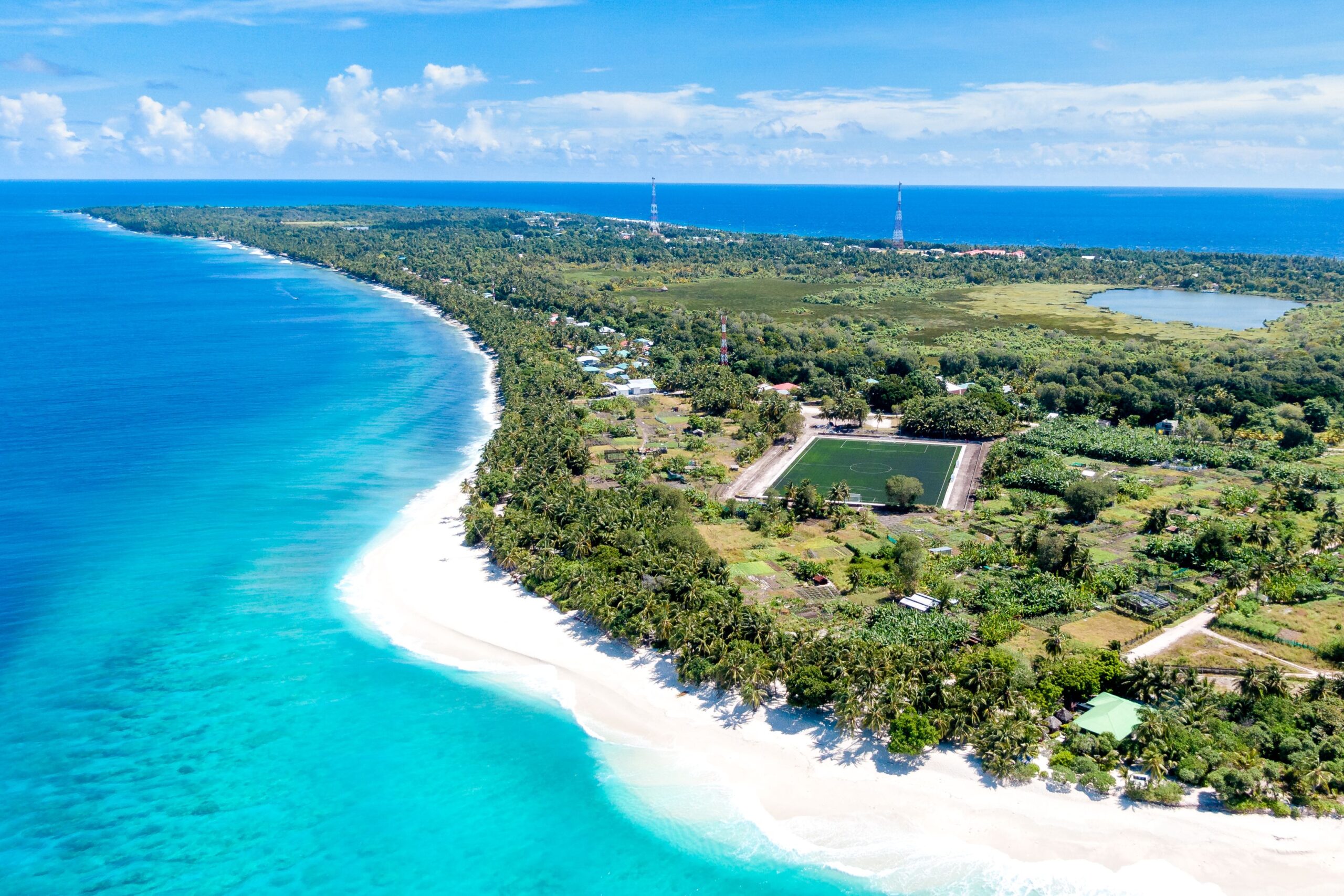
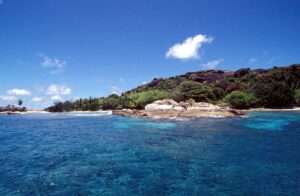
Pemba sits north of Zanzibar’s main island. Close, but a different world. In geographic terms, Pemba Tanzania lies about 50 km above Unguja in the Indian Ocean, part of the same archipelago but far less touched. The island stretches about 70 km long and 22 km wide. Bigger than most expect and very different in feel. This is not flat beach land, Pemba rises in soft hills, thick with clove farms and green cover. Mangroves line the coast and Villages sit quiet. Roads feel narrow and slow and people call it the Green Island for a reason. You see it the moment you land.
So why hasn’t it blown up like Zanzibar Island? Access stays limited, flights are few, resorts are rare, big tour chains don’t push it and that keeps numbers low. And that’s the point. Think of it this way. Pemba feels like Goa before the crowds found it. Empty beaches, clear water and reefs that still look alive. So if it’s this good, why are the reefs still intact and the beaches still empty? That answer sits at the heart of Pemba. Travelers who want to understand the full Zanzibar archipelago before deciding where to go should read our guide to the best things to do in Zanzibar — it puts Pemba in context alongside the main island experiences
The Pemba Channel – Why Divers Call This Place a Once-in-a-Lifetime Dive
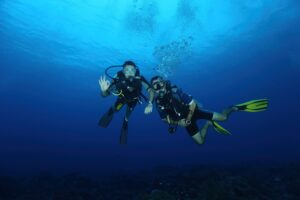
The Pemba Channel shapes everything you see underwater here. It runs along the west side of Pemba Island Zanzibar, and it drops very fast. The reef shelf ends, then the ocean falls away into deep blue. That steep drop pulls cold, nutrient-rich water up from below. Fish gather, coral feeds and life builds in layers. You feel it on the first descent. Walls covered in soft corals. Huge sea fans open wide in the current. Barrel sponges sit like anchors and visibility often hits 30 to 40 metres in dry months. On peak days, it stretches even further and it feels endless.
Marine life stays busy and reef sharks move through the blue. Whitetips, Silvertips, Napoleon wrasse cruising slow. Eagle rays glide past without warning. Barracuda schools hang in tight groups and then the small stuff shows up. Nudibranchs, Frogfish. Details most people miss. Turtles appear on almost every dive but are not rare.
Sites define the trip:
- Misali Island: shallow coral gardens, calm, great for photos
- Swiss Reef: coral towers rising from depth, wide-angle heaven
- Shimba Wall and Shimba Hills: twin reefs with a sandy channel, rich macro life
- Njao Gap and Fundu Gap: wall dives with swim-throughs and dense fish life
- North Horn: strong drift dives, pelagics, for advanced divers
This works for all levels. Beginners get calm reefs. Experienced divers get deep walls and fast drifts and that range matters.
Pemba vs Zanzibar – Which Is Better for Diving?
Let’s be direct. For diving, Pemba wins. In a Pemba Zanzibar comparison, the reefs here stay healthier, the water stays clearer, and the fish feel more present. You often dive alone with no queues, no crowd and no noise underwater, that changes the whole experience. Zanzibar plays a different role. It’s easier, more hotels, more food options. Better for non-divers. Sites like Mnemba Atoll offer great dives, but they get busy. Boats line up, groups overlap and it is still good
Pemba stays quiet by design with fewer flights, fewer dive boats, and less pressure on reefs. That’s why it still feels raw. Here’s the real decision. If diving is the main reason for the trip, choose Pemba. No second thoughts. If you’re traveling with someone who doesn’t dive, Zanzibar works better as a base. Easier days, more to do above water. That balance matters for couples and families. Pick based on who’s traveling and not just what you want. Couples planning a romantic trip to the archipelago may also find our Zanzibar honeymoon guide useful for deciding how to split time between the two islands.
Best Beaches on Pemba Island
Pemba’s beaches feel different from Zanzibar right away. No beach bars, no rows of loungers, no one trying to sell you anything. You carry your own water, your own snacks, your own plan. Some people love that. Others don’t. Be honest with yourself before you go.
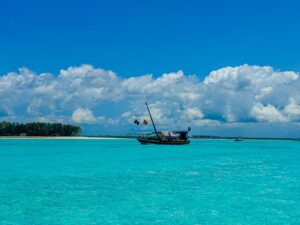
The payoff is space. Real space. You can walk for minutes without seeing anyone. Sand stays clean. Water stays clear. It feels untouched because it is. That kind of quiet is rare now. Tides shape the day here. At low tide, reefs open up and mangroves show their roots. At high tide, the water turns bright and calm. Timing matters more than in Zanzibar. Learn it once, and it changes everything.
Top beaches to know:
- Vumawimbi Beach: northeast coast, long white sand, forest backdrop, empty most days
- Misali Island Beach: small offshore island, clear lagoon, strong snorkeling
- Fundu Beach: southwest coast, calm water, mangrove kayaking nearby
- Shamiani Island (Kiweni): remote southern spot, tidal flats, rich birdlife
- Wete Beach: near the port, good for watching fishing dhows at sunrise
Travelers who want to compare Pemba’s beaches against the wider East African coastline will find our roundup of Tanzania beaches a useful read before fixing your itinerary.
Beyond Diving – What Else Can You Do on Pemba Island?
Diving pulls you in first. It’s not the whole story. Travel with someone who doesn’t dive? You’ll still have full days.
Ngezi Forest Reserve:
Step under the canopy and the air cools fast. Ngezi Forest Reserve spreads across old growth forest with narrow trails and thick shade. Guides spot the Pemba flying fox and rare birds. You hear wings before you see them. Walks run two to three hours. It feels untouched.
Clove Plantations and Spice Farms:
Cloves shape the island. Real farms, not staged stops. You see drying racks, talk to growers, and smell it in the sun. Sharp and sweet. It lingers.
Pujini Ruins:
On the southeast coast, Pujini Ruins sit above the water. A 15th-century palace with a strange name. Devil’s Palace. Low walls now. Strong setting.
Dolphins and Fishing:
Early boats push out near Kizimkazi and along the southwest coast. Dolphins show often. Deep-sea fishing peaks from October to March. Tuna. Billfish. Long runs.
Quick picks:
- Ngezi forest walk: 2 to 3 hours with a guide
- Clove farm visit: half day, easy to arrange
- Pujini Ruins: short coastal trip
- Dolphin trips: early start, year-round
- Deep-sea fishing: best October to March
Where to Stay on Pemba Island – Accommodation for Every Budget
Stay options on Pemba Island Zanzibar are few. Fewer than 15 places meet basic comfort standards. Most sit in the north, close to the main dive sites. That scarcity shapes the trip. Quiet stays and early booking needed are recommended.
Luxury:
The Manta Resort is known for its underwater room. You sleep above the reef with fish moving below. It’s a rare stay. The Aiyana Resort & Spa offers clean villas and a calm setting. Fundu Lagoon blends safari-style tents with sea views and runs its own dive centre. Remote feel. That’s the draw.
Mid-range:
Swahili Divers keeps things simple. Beach bungalows, short walk to boats. Easy days. AfroDisiac Zanzibar sits on the northern tip with a relaxed pace. Solid value.
Budget:
Chake Chake town has basic guesthouses. Low cost. No beach access. Far from dive sites. Works if price matters most.
Quick picks:
- The Manta Resort: luxury, underwater room, north coast
- Aiyana Resort: high-end villas, quiet setting
- Fundu Lagoon: boutique tents, own dive centre
- Swahili Divers: mid-range, diver-focused base
- Chake Chake stays: budget, town location
Best Time to Visit Pemba Island
For diving, the answer is clear. The best months in Pemba Zanzibar run from June to October and again from December to February. Dry air, calm sea, clear water. Visibility often stretches past 30 metres, sometimes more. It feels open. March to May is the weak window and long rains hit hard. The sea turns rough. Runoff clouds the water and dive plans get cut or scaled back and it’s not worth forcing. Shoulder months tell a different story. November and early March can work for land days and forest walks feel lush. Clove farms smell strong in the sun and fewer people around. Beach weather can flip fast. Accept that before you book. For Indian school calendars, October and late December stand out. July and August also work well, but prices climb. Our best time to visit Zanzibar guide covers the full seasonal picture across the archipelago and helps you line up your Pemba dates alongside other island stops.
Quick timing guide:
- June to October: Best overall. Clear dives, dry days
- December to February: Warm water, strong clarity
- November: Fewer people, some rain risk
- March to May: Skip for diving
How to Get to Pemba Island from Zanzibar and India
Reaching Pemba Tanzania takes a few steps. Not hard, just layered. From India, there are no direct flights. Most routes run Mumbai or Delhi to Nairobi or Dar es Salaam with airlines like Emirates, Qatar Airways, Kenya Airways, or Ethiopian Airlines. From there, connect to Zanzibar or fly straight to Dar es Salaam, then onward. Total travel time sits around 14 to 18 hours. Plan for two or three legs. From Zanzibar, short flights work best. Auric Air and Coastal Aviation run daily hops from Abeid Amani Karume International Airport or Dar es Salaam to Pemba Airport. Flight time sits near 30 to 40 minutes, quick and smooth.
There is a ferry. It takes four to six hours. Seas can get rough and most visitors skip it. Flights are easier and transfers on Pemba feel slow. Dirt roads in the north shake the ride. Locals joke about it. The Pemba massage. You’ll get it.
Practical steps:
- Fly India to Nairobi, Dar es Salaam, or Zanzibar
- Connect to Pemba via Auric Air or Coastal Aviation
- Flight time from Zanzibar: about 30 to 40 minutes
- Ferry exists, but rough in choppy months
- Apply Tanzania e-visa at least two weeks early
- Check yellow fever rules if transiting via Kenya
- Carry USD cash, ATMs are scarce
Pemba Island Dive Operators – Who to Dive With
Dive options stay limited here and that’s a good sign. Fewer operators means less pressure on reefs. It also means local knowledge runs deep and Swahili Divers is the oldest setup on the island. Locally owned, PADI certified, and based on the northwest coast. Groups stay small. Guides know these reefs by memory. Two-tank dives cost about $80 to $120. Solid choice for most divers. Afro Divers keeps things similar. Small teams, calm pace, experienced guides. Pricing sits close to Swahili Divers. Good reviews from regular divers.
Manta Resort Dive Centre works best if you stay at The Manta Resort. Easy access. Same reefs but higher cost.
Quick picks:
- Swahili Divers: local, PADI, small groups
- Afro Divers: relaxed, experienced teams
- Manta Dive Centre: best for resort guests
- Two-tank dives: about $80 to $120
Is Pemba Island Right for You? Honest Advice Before You Book
Pemba doesn’t try to please everyone. That’s the point. Pemba Island Zanzibar works best when you know what you want before you land. Come here if diving matters most. Reefs stay quiet, boats stay few and you might not see another group all day. That’s rare now. It also suits couples who want space and no noise. Forest walks, empty beaches, slow days. It all adds up. But this place won’t fit everyone. Need beach bars, late dinners, shops, easy roads — you won’t find that here. First-time Africa trips can feel easier on Zanzibar Island. More choices, more comfort. Families with kids often prefer that setup. If you’re still building your East Africa itinerary and want to combine Pemba with a mainland trip, our guide on how to plan the ultimate Zanzibar safari shows exactly how to link both sides into one clean trip.
Conclusion
Most dive spots get crowded once word gets out. Pemba moves the other way. Fewer people. Better reefs. It stays quiet while the rest fills up. You feel it the moment you drop in. Clear water. No boats above you. No noise below. That kind of space is hard to find now. So if the idea of empty reefs and slow island days sounds right, trust that instinct. It still exists here. And that is exactly why Pemba Zanzibar belongs on your East Africa route. Before you finalise your plans, also check is Zanzibar safe for tourists — it covers entry rules, transport safety, and what to expect across the archipelago including Pemba. And if you’re looking for Zanzibar tour packages that include Pemba as part of a wider island itinerary, that’s the right place to start planning.
You can also check our Kenya safari Amboseli tours if you’re planning to add a wildlife safari after your Pemba Island diving experience. Amboseli is one of the best parks to see elephants with Mount Kilimanjaro in the background. Get in touch on WhatsApp to receive customized safari planning, itinerary support, and current package details.