
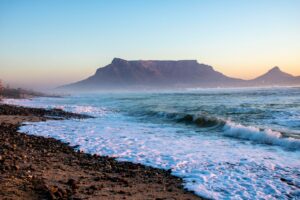
South Africa beaches split into two completely different trips. Most guides never say that part out loud. The Atlantic side runs cold and dramatic. Warmth and calm define the Indian Ocean side instead. One country holds two coastlines here. The beach that suits you depends on which ocean you pick first. This guide runs the full route from Cape Town through to Durban. It follows the order you would actually drive it, region by region, coast by coast.
The Best South Africa Beaches in Cape Town
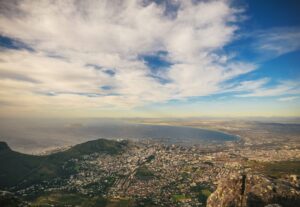
Camps Bay and Clifton get lumped together in almost every travel guide. That lumping does readers a disservice. Both sit on the Atlantic side, so both run cold no matter the month. But the similarity stops there. Camps Bay has the beach bars and the volleyball games. It also has the buzz of a restaurant-lined strip. Clifton splits into four coves instead. The fourth one draws a quieter crowd that actually wants to swim. Pick Camps Bay for the scene. Pick Clifton if a real swim matters more than a cocktail view.
Boulders Beach breaks the pattern entirely. It sits on False Bay, not the open Atlantic. The water here runs noticeably warmer than the rest of the city. A protected colony of African penguins waddles across the sand. Kids who complain about every other beach usually go quiet at Boulders. Get there early in the day. The gates open before the tour buses arrive. An hour of quiet penguin watching beats a packed afternoon boardwalk.
Llandudno rounds out this list. It rewards people willing to skip the crowd. There’s no restaurant on this stretch of sand. Parking gets tight here every summer, and the water stays properly cold. What you get instead is a wide bay framed by granite boulders. Table Mountain’s outer ridges rise up behind you. Sunset here draws a far quieter crowd than Camps Bay ever will. Bring a jacket, since the wind picks up fast once the sun drops behind the ridge.
A quick Cape Town beach guide:
- Camps Bay: cold Atlantic water, best for the bar and restaurant scene
- Clifton 4th: cold Atlantic water, best for an actual swim
- Boulders Beach: warmer False Bay water, best for families and penguins
- Llandudno: cold Atlantic water, best for a quiet sunset
Best South Africa Beach Stops on the Garden Route
Treat the Garden Route as a stop, not a destination on its own. Most people driving this coast are on their way east. Robberg Nature Reserve, near Plettenberg Bay, is the one spot that earns a real half-day detour. The peninsula trail circles cliffs above the water. Dolphins show up in the bay below often enough to pack binoculars for. Whales pass through between roughly June and November, right along the same stretch of cliff.
The rest of the Garden Route works better as a bonus stop. Wilderness Beach stretches on for miles of open sand. It suits a slow walk more than a swim, since the surf runs rough here. Nature’s Valley sits tucked inside old growth forest. It rewards travelers already staying nearby, not someone adding hours just to see it.
Don’t force a full day onto every small town along this stretch. Robberg earns the stop on its own merit. Save the smaller beaches for a night you’re already staying close by, rather than a special detour.
Wild Coast and Eastern Cape Beaches
The Wild Coast isn’t a place you swim without checking conditions first. Coffee Bay and the nearby Hole in the Wall photograph like the most dramatic stretch in this guide. That reputation holds up in person too. Steep green hills drop straight into the Indian Ocean here. Almost no development breaks up the shoreline view, and the quiet feels earned rather than staged.
Most guides skip the practical side of visiting, though. Roads into this stretch run rougher than anywhere else on the route. Lifeguard coverage here is far thinner than around Cape Town. That doesn’t mean skip it entirely. It means treat this coast with real caution, more than the resort beaches earlier in the trip. Ask locally about currents before anyone swims out past their knees.
Second Beach, near Port St Johns, carries the same wild character. Cliffs and thick coastal forest press right up against the sand here. Bull sharks turn up in these waters too. Swim close to shore, and skip a solo dip at dusk. Locals along this stretch swim in groups by habit, not superstition.
Wild Coast planning notes:
- Getting there: expect slower roads than the Garden Route, budget extra driving time
- When to go: the dry winter months, May through September, keep river crossings easier
- Swim safety: ask locally about currents first, lifeguard coverage runs thin here
Durban and KwaZulu-Natal Beaches
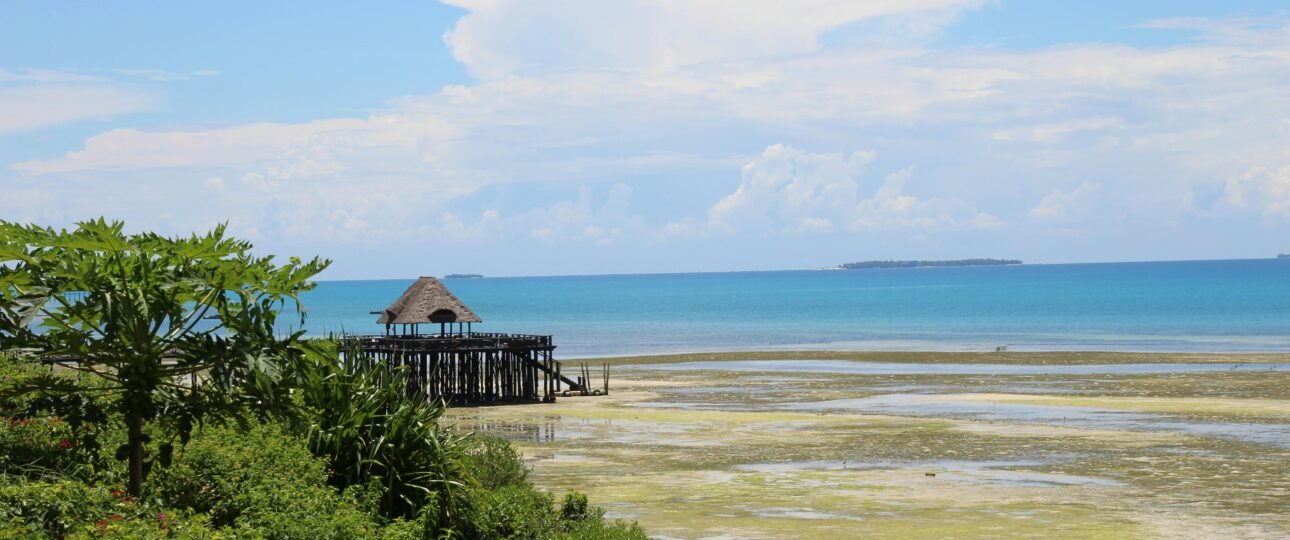
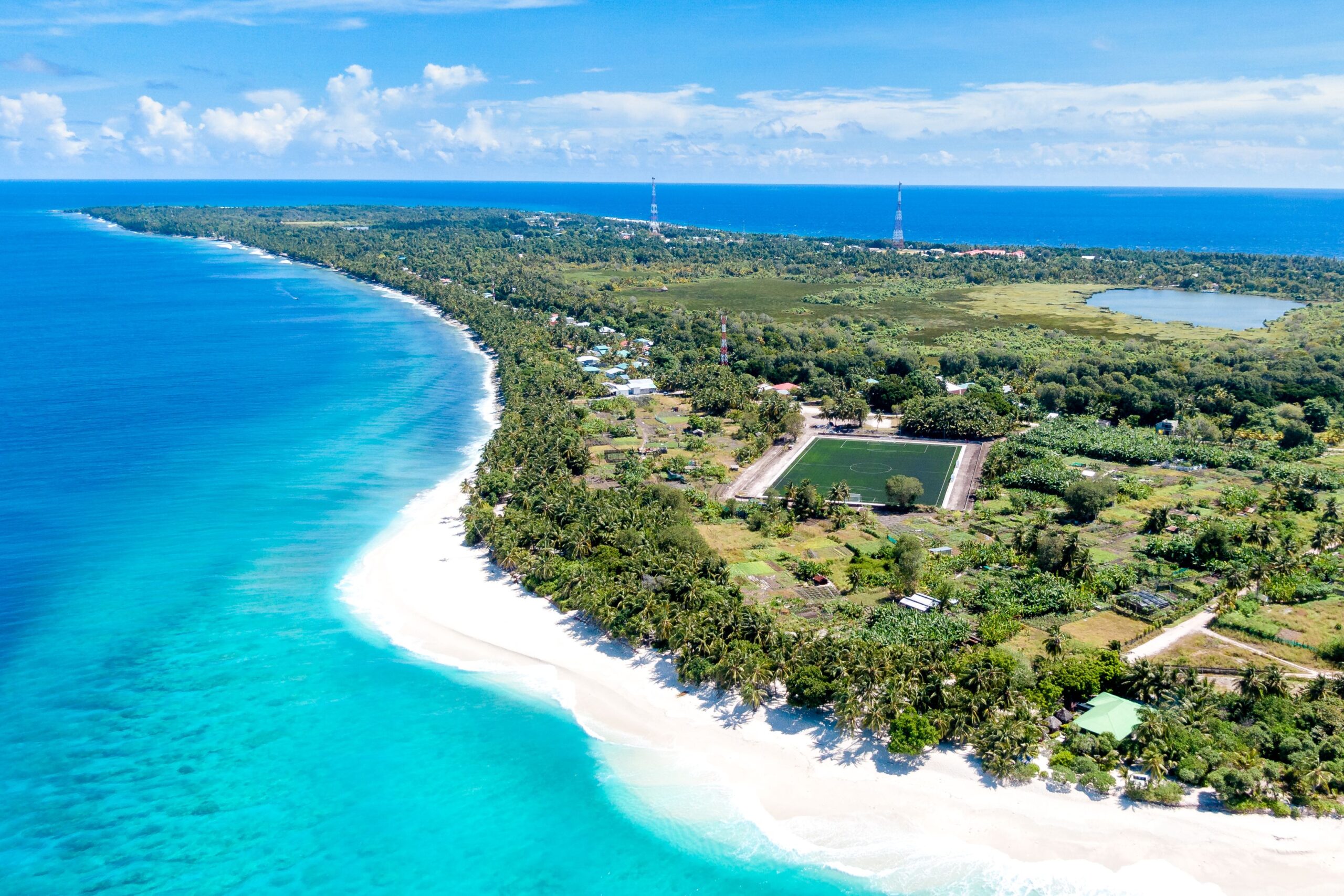
Durban is where the water finally lets you stay in past five minutes. Cape Town’s Atlantic side is a cold shock after a week on that coast. Durban is the reward waiting on the other end. This warm Indian Ocean stretch is what most people are quietly driving toward. The Golden Mile promenade runs for miles along the main beachfront. Hotels, surf schools, and a steady stream of joggers back it the whole way.
uShaka Marine World anchors the southern end of this stretch. The beach beside it suits families who want a full day planned out. It’s not just a patch of sand to sit on. Head south along the coast for something quieter instead. Umzumbe and Scottburgh thin the crowds out noticeably. The water there stays just as warm. A lot of these South Coast towns still feel like real towns, not resort strips.
One honest safety note belongs here too. Shark nets protect most of Durban’s main beaches. Lifeguards also run flag systems worth checking before you swim. That system explains why this coast supports so much casual swimming. Compare that to the thinner setup further south on the Wild Coast.
KwaZulu-Natal quick picks:
- Golden Mile, Durban: warm water, full promenade, a good first taste of the Indian Ocean
- uShaka area: family-friendly, plenty built around the beach itself
- Umzumbe or Scottburgh: quieter South Coast option, same warm water, fewer people
When to Go: Water Temperature and Weather by Coast
There’s no single best month for south africa beaches. You’re really asking about two coastlines with two different calendars. Cape Town runs on a November-to-March summer. Warm dry days come paired with a stubborn afternoon wind locals call the southeaster. KwaZulu-Natal stays warm through most of the year instead. Water and air both peak between December and March there.
Pick your season based on which ocean matters most. Someone chasing Cape Town’s beach bars should aim for that November window. Someone chasing warm swimming has far more flexibility on timing. The Indian Ocean side rarely turns properly cold, even in winter.
| Region | Best months | Typical water feel |
| Cape Town, Atlantic side | November to March | Cold year round, roughly 12 to 16 degrees |
| Garden Route and Wild Coast | Year round, drier May to September | Cool to mild, improves heading east |
| Durban and KwaZulu-Natal | Year round, peak December to March | Warm, often 20 degrees or higher |
Which South Africa Beach Fits Your Trip
Most readers here aren’t trying to see every beach on this list. They’re really asking one question first. Is this a beach-only trip, or does a safari belong in it too?
Families usually do best anchoring around Boulders Beach and the Durban coastline. Both offer calm, warm enough water and plenty to do beyond sand. Couples chasing something quieter tend to gravitate toward Clifton 4th or the Wild Coast. The crowds thin out there, and the scenery does more of the work.
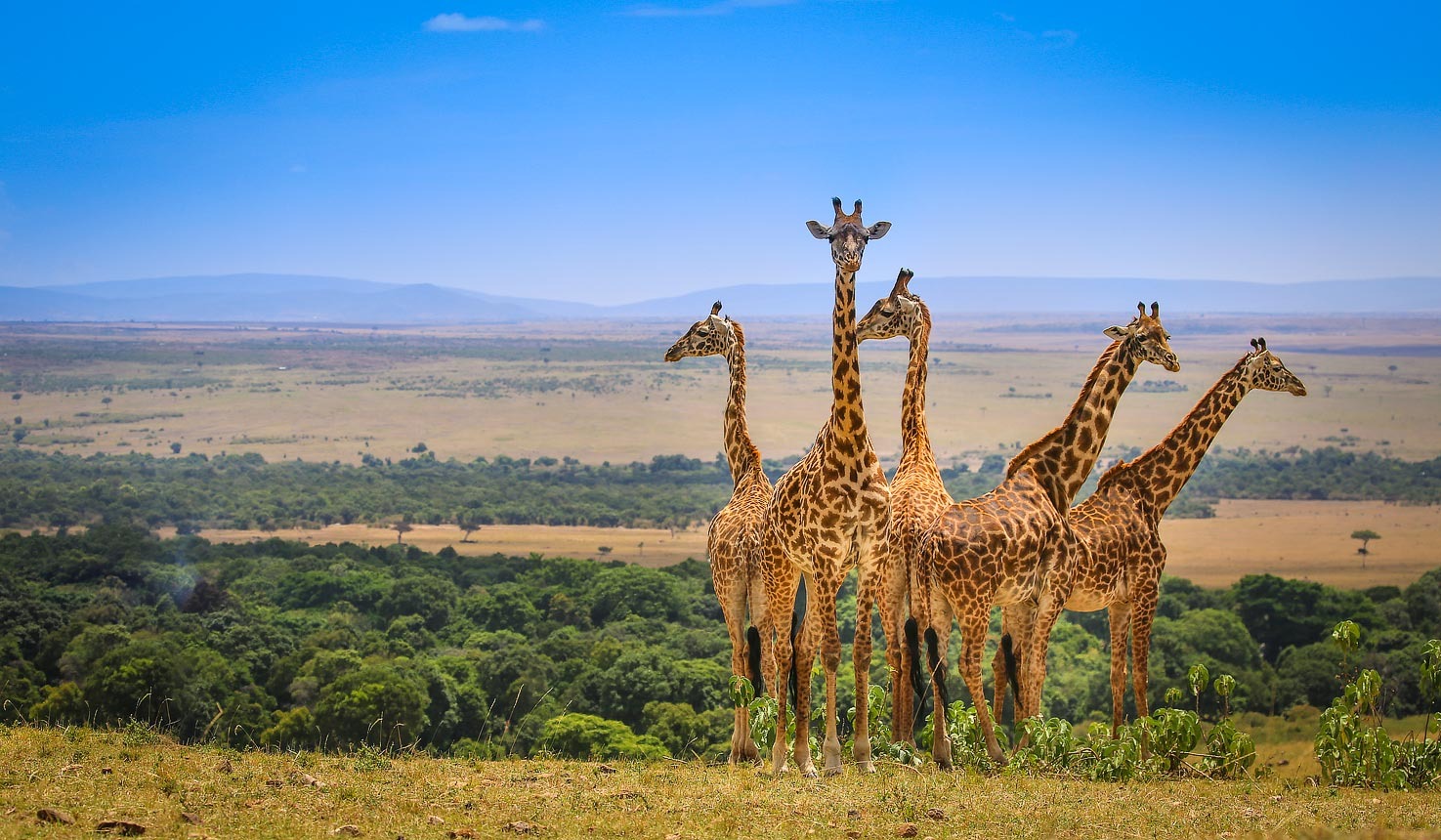
Anyone pairing this coast with wildlife faces a bigger decision early. South Africa’s own safari country, around Kruger, sits hours from this coastline by road. A short flight covers that distance too, and it’s a real trip on its own. Some travelers add a separate East Africa leg instead, once the coast portion wraps up. They treat Kenya or Tanzania as its own chapter, rather than squeezing everything into one country.
We run several ready-built East Africa options for exactly that kind of add-on trip. The 5D/4N Ultimate Masai Mara Experience starts from $950. It works well as a shorter Kenya extension after a coastal trip. The 4-day Tarangire, Serengeti and Ngorongoro safari starts from $1,430 instead. That route covers three well-known Tanzania parks in one single trip. Both options pair naturally with the coastal route in this guide. Couples building a longer trip should also see our South Africa honeymoon guide. It covers the safari-and-coast pairing in more depth.
Ready to build that extension around your own dates? WhatsApp us or email us, and we’ll help put both legs together properly.
Planning the Cape Town to Durban Coastal Route
Driving this coast end to end takes longer than the map suggests. Cape Town to Durban runs roughly 1,700 kilometers by road. Treating it as one long drive usually backfires on people. Split the trip into three real legs instead. Each leg has its own pace, and its own reason to slow down.
The first leg runs from Cape Town through the Garden Route to Port Elizabeth. This stretch rewards a slower pace, with good roads the whole way. The second leg runs through the Wild Coast toward East London. This is the leg people most often underestimate on the whole route. Roads slow down here, and towns thin out fast. The third leg picks back up from East London into Durban. Highways improve again, and the pace can pick back up too.
A rough route breakdown:
- Cape Town to Port Elizabeth: around two driving days, good roads, Garden Route stops built in
- Port Elizabeth to East London: around one to two days, Wild Coast detours add real time
- East London to Durban: around one to two days, faster roads for this final stretch
Flying one leg saves real time for anyone tight on schedule. The Wild Coast to Durban stretch is the one most worth flying. As of 2026, several regional carriers run that route directly. Price it against the extra driving days before committing to a full self-drive. US travelers should check entry rules early too. Our South Africa visa guide for US citizens covers exactly what this route needs.
Conclusion
Remember the two-ocean split before you book anything else on this trip. Cape Town’s Atlantic side runs cold, dramatic, and best for scenery and city life. Durban’s Indian Ocean side runs warm, calm, and better suited to actual swimming. Once you know which one matters more, the rest of this route falls into place fast. WhatsApp us or email us whenever you’re ready to build the safari side of your trip.