




Nairobi offers some of the best attractions in Kenya for people who want wildlife, city life, culture, food, and local markets in one trip. Few cities feel this mixed. You can watch lions inside Nairobi National Park. During the morning, eat smoky nyama choma by lunch, then shop through crowded craft stalls before sunset.
The contrast feels real from day one. Most tourists expect Nairobi to be a quick stop before planning best safari rides, that usually changes fast. The city has wildlife parks, elephant centers, history museums, rooftop restaurants, coffee spots, and nightlife. And busy street markets packed into one place. Some areas feel modern and polished. Others feel loud, dusty, and full of energy. That balance gives Nairobi its personality.
Food also shapes the experience here. Indian spice, Swahili cooking, grilled meat, and fresh Kenyan coffee show up everywhere. Local markets bring another layer. They feel busy at first, but that rhythm becomes part of the trip. This guide covers the best attractions in Nairobi Kenya for families, solo travelers, food lovers, safari fans, and first-time visitors alike.
Explore here: Things to do in Kenya
You can also explore our Masai Mara safari packages before planning your Nairobi trip. Nairobi is often the starting point for most Kenya safaris, and many travelers combine city sightseeing with wildlife experiences in the Maasai Mara. Talk to our team on WhatsApp to check safari routes, lodge options, and current pricing before you confirm your itinerary.
1. Nairobi National Park
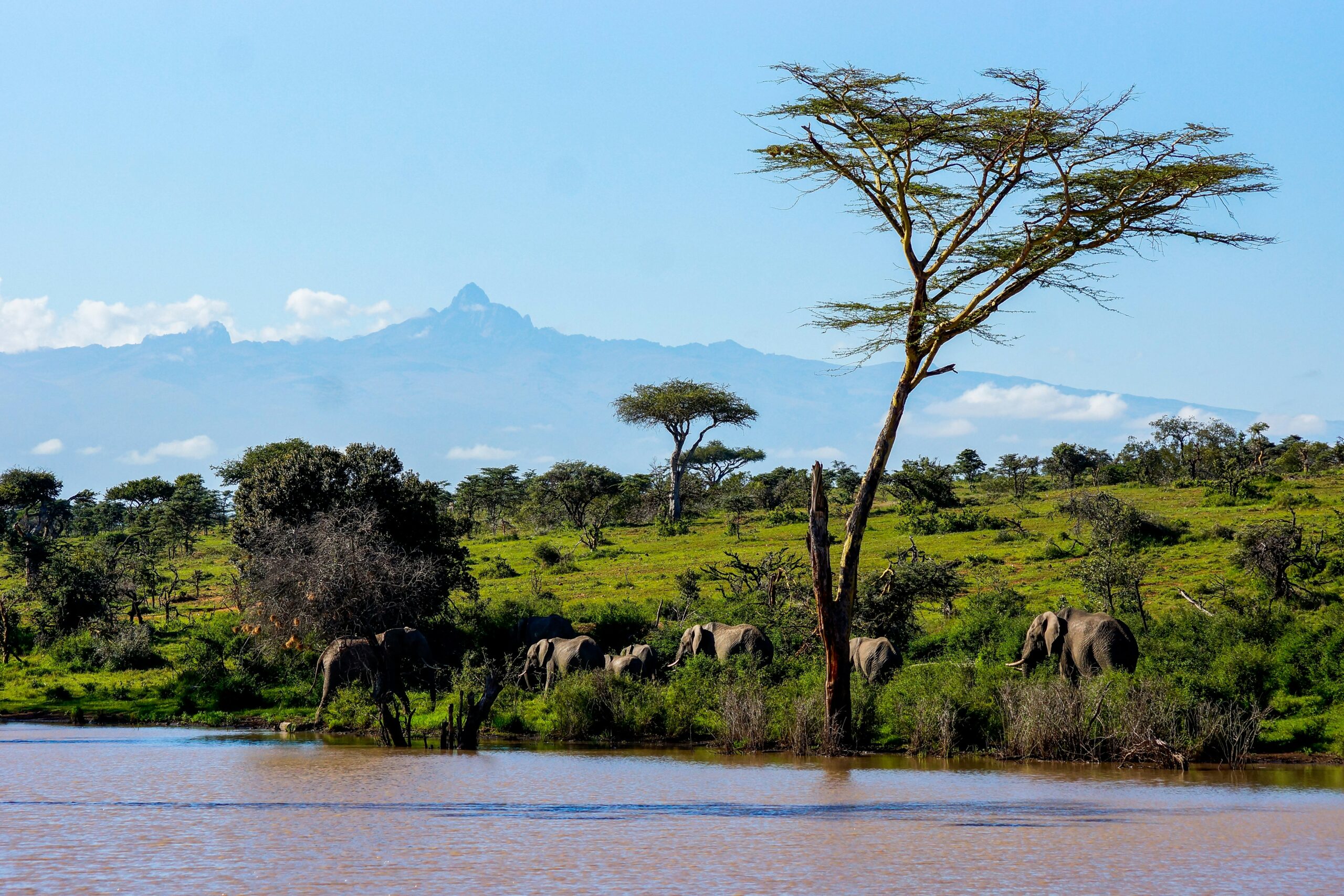
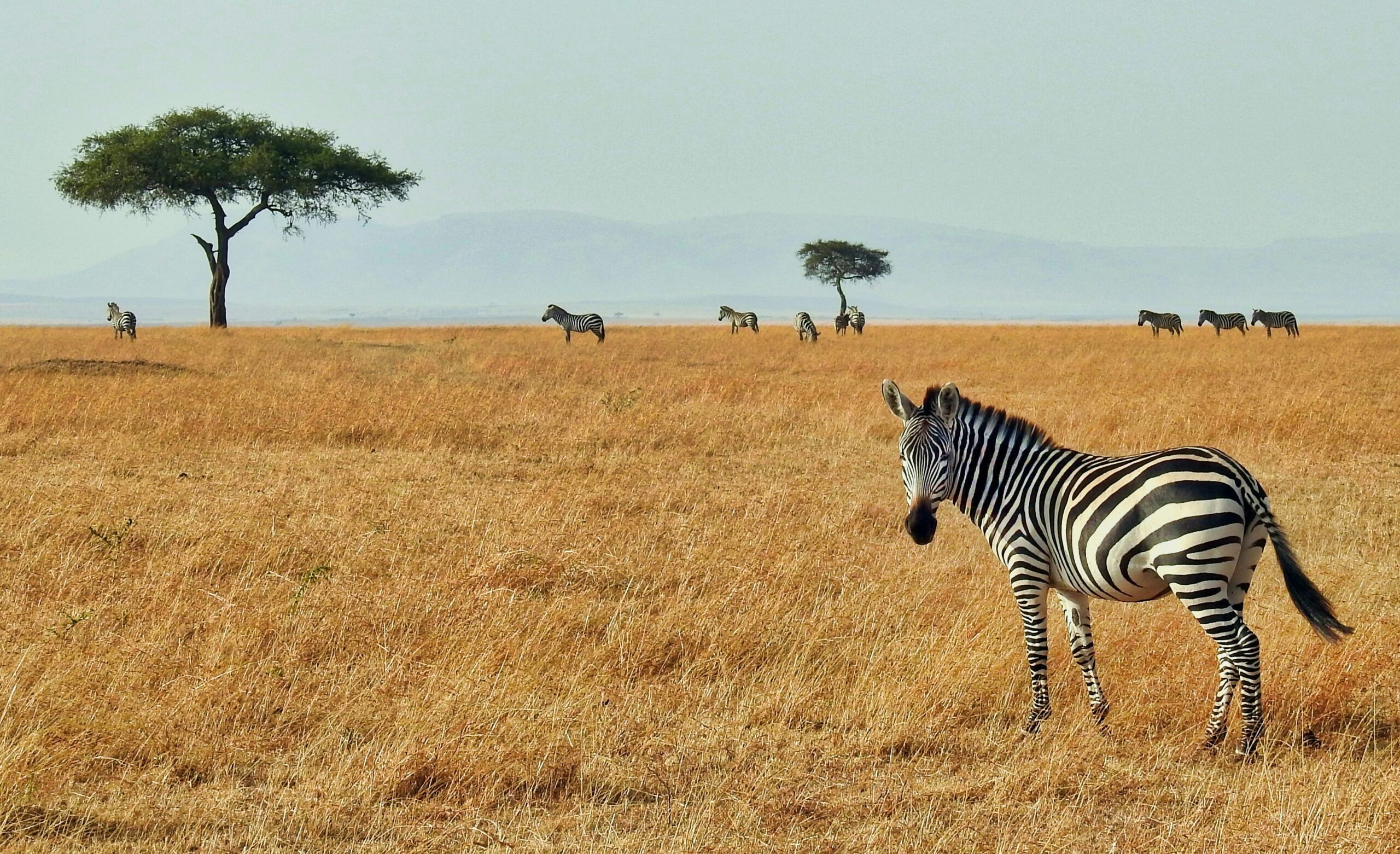
Nairobi National Park stays famous for one reason first. It is the only national park inside a capital city, that fact sounds strange until you see it yourself. Lions walk through open grass while city buildings rise behind them and that contrast feels almost unreal. Most people expect a small wildlife park close to traffic. The experience feels far bigger than that. Rhinos, lions, giraffes, buffalo, zebras, hyenas, and cheetahs all live here. Some safari drives stay quiet for an hour, then everything changes fast. A lion steps onto the road, a rhino appears near the bushes and that unpredictability keeps tourists hooked.
Morning safaris work better for wildlife sightings because animals move more before the heat rises. The light also helps photography. Dust hangs low across the grass, and sunrise colors hit the skyline behind the animals. Evening drives feel calmer and less rushed, though sightings can vary more. Want an honest expectation? This is not the Maasai Mara. Animal density feels lower here. But for a city safari, the park delivers far more than most visitors expect. Tourists also love how easy the trip feels. You can leave your hotel after breakfast and still see lions before lunch and few cities in the world offer that.
- Timings: Usually 6 AM to 6 PM
- Best time to visit: Early morning during dry months
- Travel tip: Book a guide instead of self-driving for better sightings
2. Giraffe Centre
The Giraffe Centre sounds simple on paper. Feed giraffes and take photos. Then a Rothschild giraffe leans its head toward you, and the whole mood changes. The center protects endangered Rothschild giraffes through breeding and conservation work in Kenya. That mission gives the place real purpose beyond tourism. Still, most visitors remember the feeding platform first. Watching a giraffe stretch across the rail for food feels funny. Slightly intimidating at the same time. Families love the experience because kids react instantly. Some laugh nonstop and others freeze completely once the giraffe tongue reaches out. Couples stay longer for photos and quiet moments around the platform. The setting feels relaxed compared to busy safari parks.
Photography works best in the morning when the crowds stay lighter and the giraffes move closer to visitors. Bright afternoons create harsher light and packed viewing areas. Go early if possible. Sounds touristy? Of course. But the center still feels warm and memorable because the interaction feels direct. You are not watching from far away behind glass. The animals stand right there in front of you. The nearby forest paths also help slow the pace after the feeding area. That balance works well.
- Visit early for softer light and fewer crowds
- Carry small giraffe pellets carefully around children
- Pair the stop with Karen Blixen Museum nearby
3. David Sheldrick Wildlife Trust
The David Sheldrick Wildlife Trust leaves a stronger emotional impact than many tourists expect. People arrive thinking it will feel like a quick animal stop. Then the baby elephants run into the mud field during feeding time, and the whole crowd softens instantly. The rescue center cares for orphaned elephants, many separated from their mothers by poaching, drought, or accidents. Some lost entire herds. Keepers explain each elephant’s story while feeding them giant milk bottles. A few animals act playful and others stay shy and cautious around people. Those details stay in your head long after the visit ends.
The conservation work here matters across Kenya. The trust rescues elephants, rhinos, and other wildlife while helping many animals return to protected areas later. Visitors see only one hour of the process, though the care lasts years behind the scenes. Children connect with the elephants fast, but adults often feel the emotional side more deeply. Sounds dramatic? Watch a young elephant follow its keeper like family and see what happens.
Tickets need advance booking because visitor numbers stay controlled during the public session. Do not wait until the last minute, Nairobi schedules change quickly with traffic delays. Morning visits work best because the elephants stay more active during feeding time. Cameras stay busy the entire hour. Mud flies everywhere too and that becomes part of the fun.
4. Karen Blixen Museum
Karen Blixen Museum gives Nairobi a slower and quieter side. After busy roads, safari jeeps, and packed markets, the calm here feels almost unexpected. The museum sits inside the old farmhouse once owned by Karen Blixen, the Danish author behind Out of Africa. The film connection draws many visitors first, though the deeper history keeps people interested once the tour begins. Rooms still hold furniture, books, photos, and personal items tied to colonial-era Kenya. The house itself stands out immediately. Wide verandas, large windows, old wooden floors. The architecture reflects the farming estates built during British colonial rule across East Africa. Some visitors admire the design. Others focus more on the difficult history connected to land and power during that period. Both reactions make sense.
The gardens often become the favorite part of the visit. Tall trees move softly in the wind while guides explain stories from the estate’s past. Birds stay loud around the grounds, though the overall atmosphere feels peaceful compared to central Nairobi.
History lovers enjoy the museum because it gives context instead of just photos on a wall. You start understanding how colonial life shaped Kenya socially and politically over time. Want an honest expectation? This stop feels slower than wildlife attractions. That is exactly why many travelers enjoy it. The quiet pace helps people reset before jumping back into Nairobi traffic again.
5. Bomas of Kenya
Bomas of Kenya brings together music, dance, architecture, and tribal traditions from across Kenya in one space. The experience feels lively from the start. Drums echo through the theater while dancers move across the stage in bright traditional clothing. The energy pulls people in fast. The cultural performances stay at the center of the visit. Different groups perform dances tied to tribes from around the country, including Maasai, Kikuyu, Luo, and Kalenjin traditions. Some dances feel graceful and others feel intense and athletic. The crowd usually reacts loudly once the drumming speeds up.
Outside the theater, visitors walk through replica village homes built in different tribal styles. That section helps families understand how communities lived across Kenya before modern city growth changed daily life. Children usually enjoy exploring the homes because the setup feels interactive instead of formal. Sound educational? It is. But the performances keep the visit entertaining instead of stiff or museum-like. Tourists leave with a stronger feel for how diverse Kenya actually is. The place works especially well for families or first-time visitors wanting cultural context before heading into safari regions around the country.
- Best for family trips and school-age kids
- Arrive early for better theater seating
- Pair the visit with nearby wildlife attractions
6. Karura Forest
Karura Forest feels like an escape hatch from Nairobi traffic. One minute the city sounds loud and tense, next minute you hear birds, bicycle tires, and wind through tall trees. The shift feels immediate. Locals come here to walk, jog, cycle, picnic, and breathe for a while away from city pressure. That weekend culture gives the forest a relaxed feeling without making it empty or isolated. Couples walk the trails slowly. Families spread blankets near open grass areas. Cyclists move past fast on dirt paths, everyone seems calmer here.
The forest trails stay easy enough for casual visitors, though longer routes stretch deep into the trees for runners and cyclists wanting more distance. Waterfalls and small caves add extra stops along the way. Nothing feels overly dramatic and that simplicity works. Want the honest truth? Urban burnout hits hard in Nairobi after a few packed sightseeing days. Traffic drains people quickly. Karura gives your brain space again.
Morning visits feel cooler and quieter, especially during weekdays. Weekends bring more local crowds, though the atmosphere still stays friendly and safe compared to isolated city parks in some countries. The forest also surprises first-time visitors because it feels so clean and organized. Security stays visible at entry points, and the paths remain clearly marked. That reassurance matters for solo travelers.
7. Nairobi National Museum
Nairobi National Museum works best for travelers who want context behind the safari photos. Wildlife explains only part of Kenya and the museum fills in the rest. The exhibits cover Kenyan history, tribal culture, fossils, politics, art, and natural science across several large halls. Some sections feel stronger than others, though the human history displays stand out most for many visitors. Tribal clothing, tools, weapons, and music displays help explain how different communities shaped the country over time.
The fossil galleries also draw strong attention because Kenya played a huge role in early human history discoveries. Ancient skulls and archaeological findings connect the country.some of the earliest stories of mankind itself. That scale surprises many people. Art exhibitions rotate through the museum too. Some feel modern and bold. Others focus on social issues inside Kenya today. That mix keeps the museum from feeling frozen in the past. Sound heavy for a vacation stop? A little. But the museum helps travelers understand the country beyond safari brochures and beach photos.
Realistic expectation matters here. This is not a flashy interactive museum filled with giant digital screens. Some displays feel old-school. Still, visitors interested in culture and history usually leave impressed because the information feels grounded and honest. Plan at least two hours if you want to see the main sections properly. Rushing the visit makes the experience feel flat.
8. Maasai Market
The Maasai Market feels loud, colorful, crowded, and slightly overwhelming at first. That means you are experiencing it properly. The market moves between different Nairobi locations through the week and stays packed with handmade crafts, paintings, bead jewelry, fabrics, leather sandals, baskets, and wood carvings. Every seller wants your attention quickly. Some speak five languages just to pull tourists into a stall.
Indian travelers often compare the atmosphere to busy street shopping markets back home. The bargaining rhythm feels familiar. Prices start high for tourists almost every time, so negotiation becomes part of the experience. Smile first, stay patient. Walking away usually lowers the price faster than arguing.
Want the smarter move? Walk through the market once before buying anything. Many stalls sell similar items, though quality changes a lot between vendors. Handmade beadwork usually feels worth the extra money compared to cheap imported souvenirs. Safety matters here too. Keep bags zipped and phones secure because crowded spaces create easy chances for petty theft. Nothing extreme, just stay aware. Some tourists hate the pressure after twenty minutes. Others stay for hours talking with sellers and searching for unique gifts. The market rewards slower browsing.
- Carry cash in small notes for bargaining
- Keep valuables close in crowded sections
- Visit earlier in the day for easier shopping
Read about the: Best Places to Visit in Kenya
Best Free and Budget-Friendly Places in Nairobi Kenya
Nairobi does not need to drain your wallet to feel exciting. Some of the best moments here cost little or nothing at all. That surprises many first-time visitors. People expect safari prices everywhere. The city works differently. Karura Forest is one of the best low-cost escapes in the city. Entry fees remain cheap, though the walking trails, waterfalls, and cycling paths feel far more valuable than the ticket price suggests.
Locals spend entire weekends here just relaxing under the trees and that tells you a lot. Public parks around Nairobi also help break up expensive safari days. Uhuru Park and Central Park give people open space near the busy downtown area. Office workers eat lunch there while couples sit near the grass after work. The atmosphere feels local instead of tourist-heavy.
Want city views without paying rooftop restaurant prices? Head toward the KICC rooftop viewing area. The skyline looks especially good near sunset when the city lights begin switching on slowly and cameras love that spot. Budget travelers also enjoy walking through neighborhoods like Westlands for cafes, street food, and people-watching without needing expensive tours. Some of the best travel memories happen during simple afternoons like that.
- Visit Karura Forest for cheap walking and cycling trails
- Explore Uhuru Park during quieter morning hours
- Watch sunset views from the KICC rooftop
- Walk through local markets without buying immediately
- Try affordable street food in Westlands or downtown Nairobi
- Use ride apps instead of costly private drivers
Travel Tips Before Visiting Nairobi
Nairobi feels easier once you understand the basics before landing. Small prep work changes the whole trip. Traffic moves slowly, local prices vary fast, and first-time visitors often underestimate how spread out the city feels. Ride apps like Uber and Bolt work well across most tourist areas and feel safer than stopping random taxis on the street. Hotel-arranged drivers cost more, though many tourists prefer the added comfort after late flights. That extra peace matters. SIM cards also feel simple at the airport or Safaricom stores. Internet speeds stay good in hotels, cafes, and malls across Nairobi. Remote safari areas feel different.
- Use Uber or Bolt instead of random taxis
- Carry some Kenyan shillings for markets and tips
- Stay about 3 to 5 days for a balanced trip
- Visit during June to October for drier weather
- Wear light clothes during the day and layers at night
- Buy a local SIM card after landing
- Keep daily budgets flexible for traffic and transport changes
- Choose hotels with Wi-Fi and airport pickup options
- Avoid walking alone late at night in quiet areas\
Conclusion
Nairobi gives travelers far more than a quick safari stop before the rest of Kenya. The city blends wildlife, culture, food, history, markets, and green spaces in a way that feels hard to predict until you see it yourself. One morning can start with lions inside Nairobi National Park and end with street shopping at the Maasai Market. Few capitals offer that mix. Some attractions feel loud and energetic. Others feel calm and slow. That balance keeps Nairobi interesting for different kinds of travelers. Go with open expectations, plan your transport well, and give the city enough time.
You can also check our Kenya tour packages if you’re planning a full Kenya itinerary starting from Nairobi. It helps you combine city attractions with safari and beach extensions in one smooth trip. Talk to our team on WhatsApp to plan your customized Kenya travel package with updated availability and pricing.