

July to October is the best time to visit Kenya Safari. That is when the Great Migration moves through the Masai Mara. Animals gather near water sources. Game drives feel easier. Sightings come fast, but there is a catch. Crowds rise sharply in August and September, especially near river crossings.
That is why many safari regulars quietly prefer October or even June. You still get strong wildlife viewing, but with fewer vehicles around the animals. The green season from November to March also has its own appeal. Birdlife peaks, landscapes look richer, prices often drop. A Kenya safari is not only about chasing migration photos. Timing changes the whole mood of the trip.
You can also check our guide on the best time to visit Kenya to better understand safari seasons before finalizing your travel dates. July to October is the busiest period because of the Great Migration, and safari camps in Maasai Mara tend to fill up quickly.
You can also check our Kenya tour packages before finalizing your travel plan. Choosing the right time to visit Kenya depends on whether you want the Great Migration, fewer crowds, or a relaxed safari experience. Talk to our team on WhatsApp to check safari availability, lodge options, and current pricing before you confirm your trip.
Kenya Safari Weather by Season
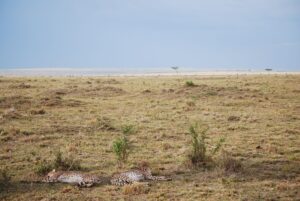
Sunny weather does not always mean the best safari, dry ground does. From June to October, Kenya’s parks become easier to read. Grass drops lower, water sources shrink. Animals gather in open areas that change your drives fast. You see more in less time. Rainy months feel slower. Roads inside Masai Mara can turn rough after heavy showers. Some game drives take longer than expected. Wildlife spreads deeper into the bush because water sits everywhere.
The green season still has strong points. November to February brings greener views, fewer vehicles, and excellent birdlife. Photos also look softer in early morning light. But first-time safari visitors usually enjoy dry months more. Easier roads. Cleaner sightings, less waiting.
| Season | Safari Conditions | Best For |
| June to October | Dry roads and easier sightings | First safari trips |
| November to February | Green parks and fewer crowds | Birdwatching and photography |
| March to May | Heavy rain and muddy tracks | Lower prices only |
Month-by-Month Safari Guide
The best time to go on safari in Kenya is not always August. That surprises many first-time visitors. August brings peak migration action, but it also brings packed river crossings and long vehicle lines near sightings. June and October often feel smoother. Wildlife stays active and crowds drop. Prices can ease slightly too, that balance matters more than most guides admit.
January and February work well for shorter grass and strong predator sightings. The parks look greener than peak dry season, but visibility still stays fairly open. Birdwatchers love this stretch. So do photographers chasing softer skies. March starts the long rains in many regions. By April and May, some safari roads become muddy and slower to cross. You can still travel then. But drives feel less predictable, know that first.
June marks the start of the dry season. This is one of the smartest months for safari. Parks begin drying out. Animals gather closer to rivers again, vehicle numbers stay lower than July or August. October brings a similar advantage after peak migration crowds begin fading.
November and December sit in an underrated middle ground. Short rains return, but they rarely ruin full trips. Landscapes turn greener, prices often soften. You also get quieter lodges and easier sightings around less crowded waterholes.
Kenya Safari Month-by-Month Quick Guide
- January: Strong wildlife sightings and warm days
- February: Great predator activity and birdlife
- March: Start of rainy season in some parks
- April: Heavy rain and muddy safari tracks
- May: Cheapest month but harder game drives
- June: Excellent balance of sightings and fewer crowds
- July: Peak dry season begins
- August: Best migration crossings but busiest parks
- September: Strong wildlife viewing with high visitor numbers
- October: Excellent sightings with lighter crowds
- November: Green landscapes and quieter camps
- December: Good mix of wildlife, birds, and holiday travel
Best Time to Visit Kenya for the Great Migration
The best time to see the Great Migration in Kenya falls between July and October. That is when huge herds of wildebeest and zebras move into the Maasai Mara from Tanzania’s Serengeti. Then the tension starts building. River crossings become the moment people wait for most. Thousands of animals gather near the Mara River for hours before crossing. Some panic and turn back. Others jump suddenly together while crocodiles wait below. Dust fills the air. Safari jeeps stay silent, even people who rarely care about wildlife end up completely locked into the scene. It feels raw and unpredictable. That is why the migration stays special.
August and September usually bring the busiest safari crowds. Hotels fill fast, and top camps often sell out months ahead. Book early. Especially for river-view camps near crossing points. Last-minute planning rarely works well during migration season. Morning game drives give the best light for photography. The grass stays golden, and predators move more during cooler hours.
But safari days are never guaranteed. Some people witness dramatic crossings in one afternoon. Others wait two days. Sounds frustrating? That uncertainty is part of the magic. Luxury lodges offer fly-in safaris, private guides, and premium river access. Budget safaris use shared jeeps and public camp areas. Both still place you inside one of Africa’s wildest natural events. That part stays the same.
Best Time to Visit Kenya Beaches
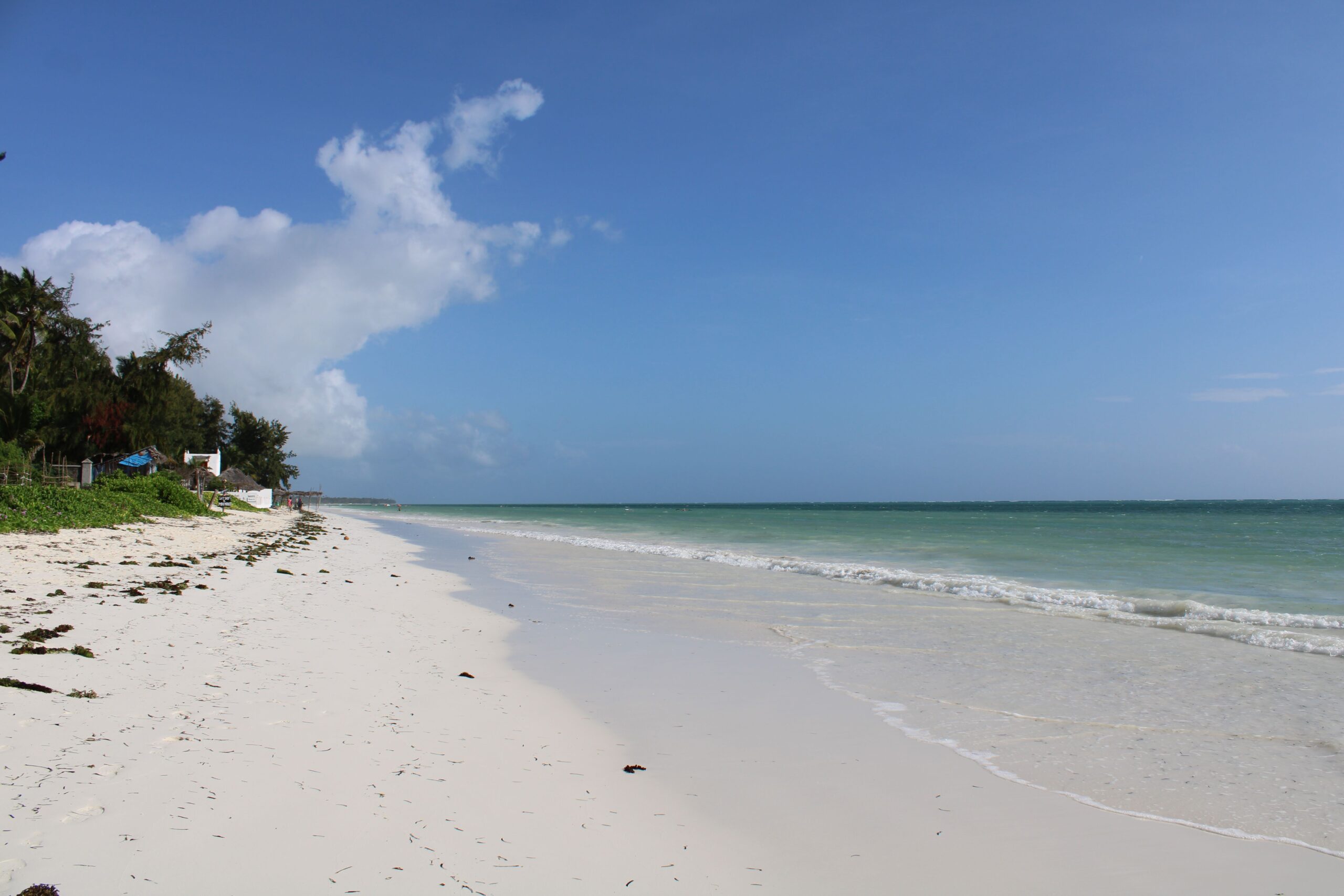
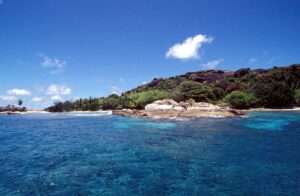
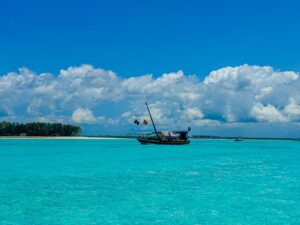
The best time to visit Kenya’s beaches runs from December to March and again from July to October. These months bring sunnier skies, lower rain chances, and better sea conditions along the coast. Diani Beach looks its best then. The water turns bright blue, humidity feels easier to handle, and beach days stay long without heavy storms interrupting plans. January and February work especially well for swimming and water sports. Winds stay steady around Diani, which helps kite surfing a lot. Watamu also shines during this period. Snorkelling and diving visibility improves because the sea stays calmer and clearer. That difference matters underwater. Fish, coral reefs, and sea turtles become much easier to spot.
The Mombasa coast feels hotter and more humid compared to some inland parts of Kenya. Coastal heat builds fast around April and May during the long monsoon season. Rain arrives heavily then. Some beach hotels lower prices, but rougher sea conditions can limit diving, boat trips, and water sports. Sounds disappointing? It depends on your travel style. Budget people often like this quieter season because beaches feel less crowded. Lamu stays pleasant during dry months too, though the island moves slowly year-round. July through October brings cooler evenings and softer humidity levels across much of the coast. That period suits honeymoon trips, family beach stays, and relaxed dhow cruises perfectly. Early booking still helps during holiday seasons. Beach resorts fill quickly around Christmas and New Year.
Best Time to Visit Kenya For Families
Families usually enjoy Kenya most from June to October and again in January and February. The weather stays dry, game drives feel smoother, and kids handle the long safari hours far better. Muddy roads in the rainy months can turn a simple park drive into a slow, tiring day. Small kids notice that fast. Dry season trips feel easier from the start. Maasai Mara works well for first-time family safaris during July and August. The grass stays short, so animals are easier to spot. A child can see elephants, lions, and zebras within the first hour. That keeps the excitement high. And the Great Migration often peaks then. River crossings feel tense and loud in person, cameras click nonstop.
Beach time matters too. Diani Beach and Watamu bring calm water and warm days after safari trips. Parents often split the holiday between wildlife parks and the coast. Kids get both adventure and rest. School breaks raise hotel prices fast. Book early if traveling in summer or during Christmas. Safari lodges with family tents sell out months ahead. Know that first.
Planning a Kenya trip feels exciting at first. Then the safari costs, flights, and park bookings start adding up fast. Good planning helps a lot. Especially for families.
Quick Checklist Before Visiting Kenya
- Book safaris 3 to 5 months early during July to October. Great Migration season fills fast. Luxury camps sell out first.
- Apply for the Kenya eVisa before booking flights. The online process stays simple for Indian passport holders.
- Carry light cotton clothes for the coast. Mombasa and Diani feel hot and humid by noon.
- Pack neutral safari clothes, sunscreen, sunglasses, and a light jacket for early drives. Mornings get cold.
- Ask a doctor about yellow fever proof and malaria pills before flying. Do not leave this late.
- Keep extra camera batteries and memory cards. Dust and long game drives drain both quickly.
- Vegetarian food is easy to find in Nairobi and beach towns. Indian restaurants are common there.
- Split your budget early between safari, beach stay, flights, and park fees. Safari costs rise fast.
- Family trips work best with private drivers. Long road trips tire kids quickly. Know that first.
Conclusion
The best time to visit Kenya depends on the kind of trip you want. July to October brings dry weather, strong safari sightings, and the Great Migration in Maasai Mara. It feels dramatic in person. Dust rises, zebras run, and river crossings turn silent jeeps into loud camera zones. January and February work well too. The skies stay clear, beaches feel sunny, and wildlife stays easy to spot.
Rainy months bring fewer crowds and lower hotel prices, but some safari roads turn rough. Families often prefer the dry season for easier travel days. Beach lovers usually enjoy Diani, Watamu, and Mombasa most from December to March. Kenya rarely feels like a one-season country. That is the fun part. Pick your timing based on wildlife, beaches, or budget first.
You can also check our Masai Mara safari packages before finalizing your travel plan. The Masai Mara is one of the best places in Kenya to witness the Great Migration, and safari camps tend to fill quickly during peak season. Talk to our team on WhatsApp to check safari availability, lodge options, and current pricing before you confirm your trip.