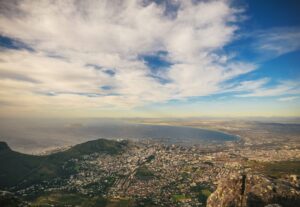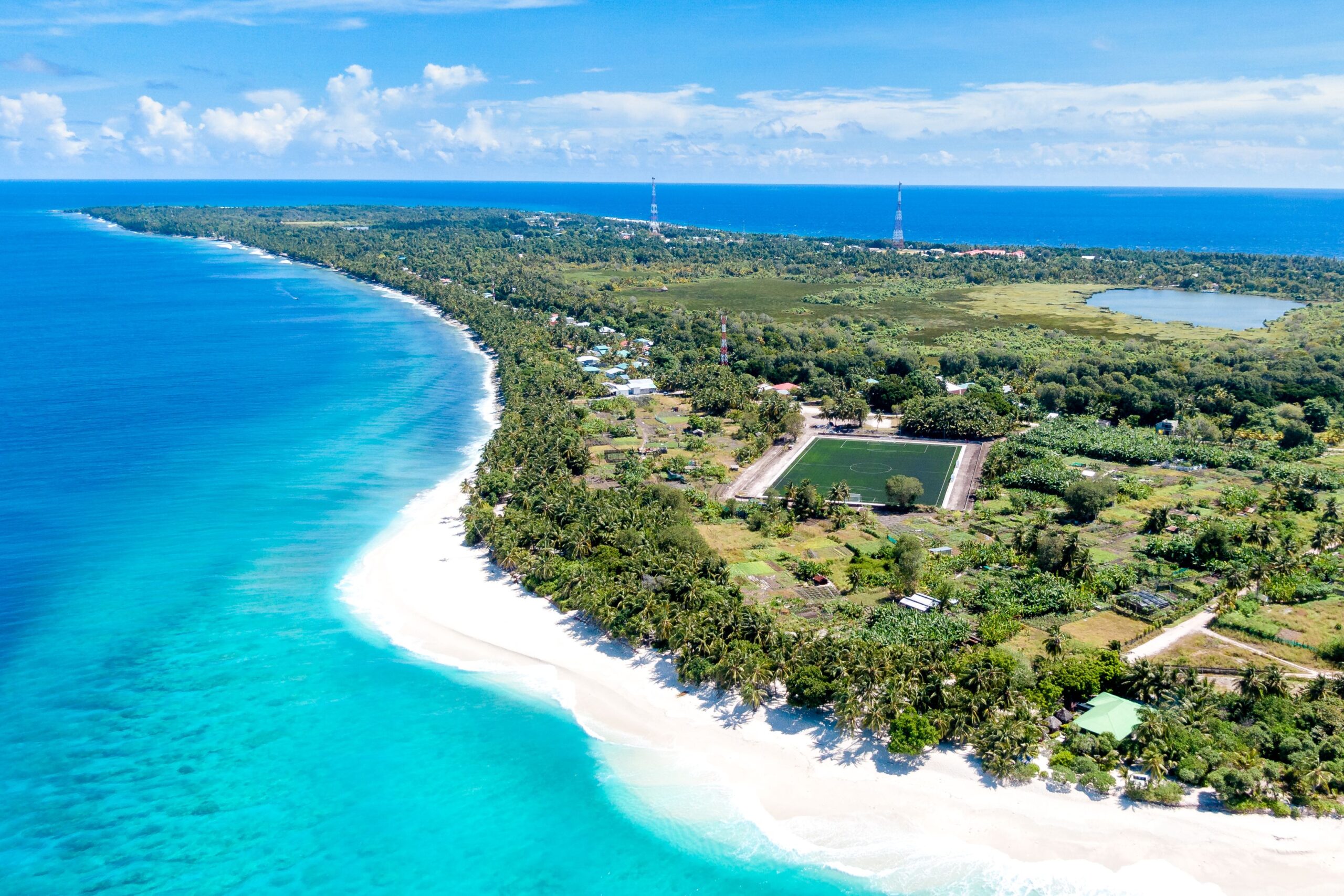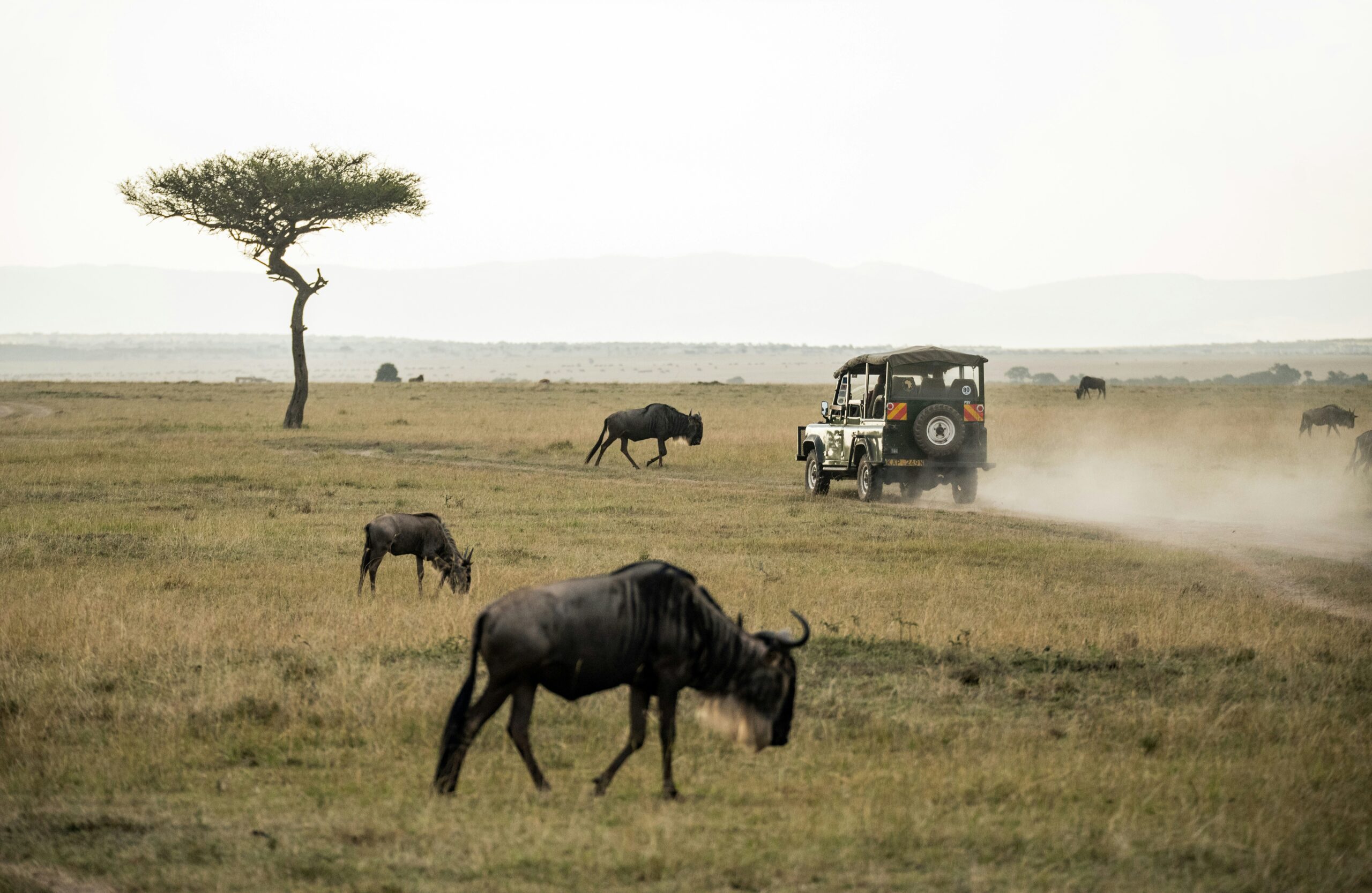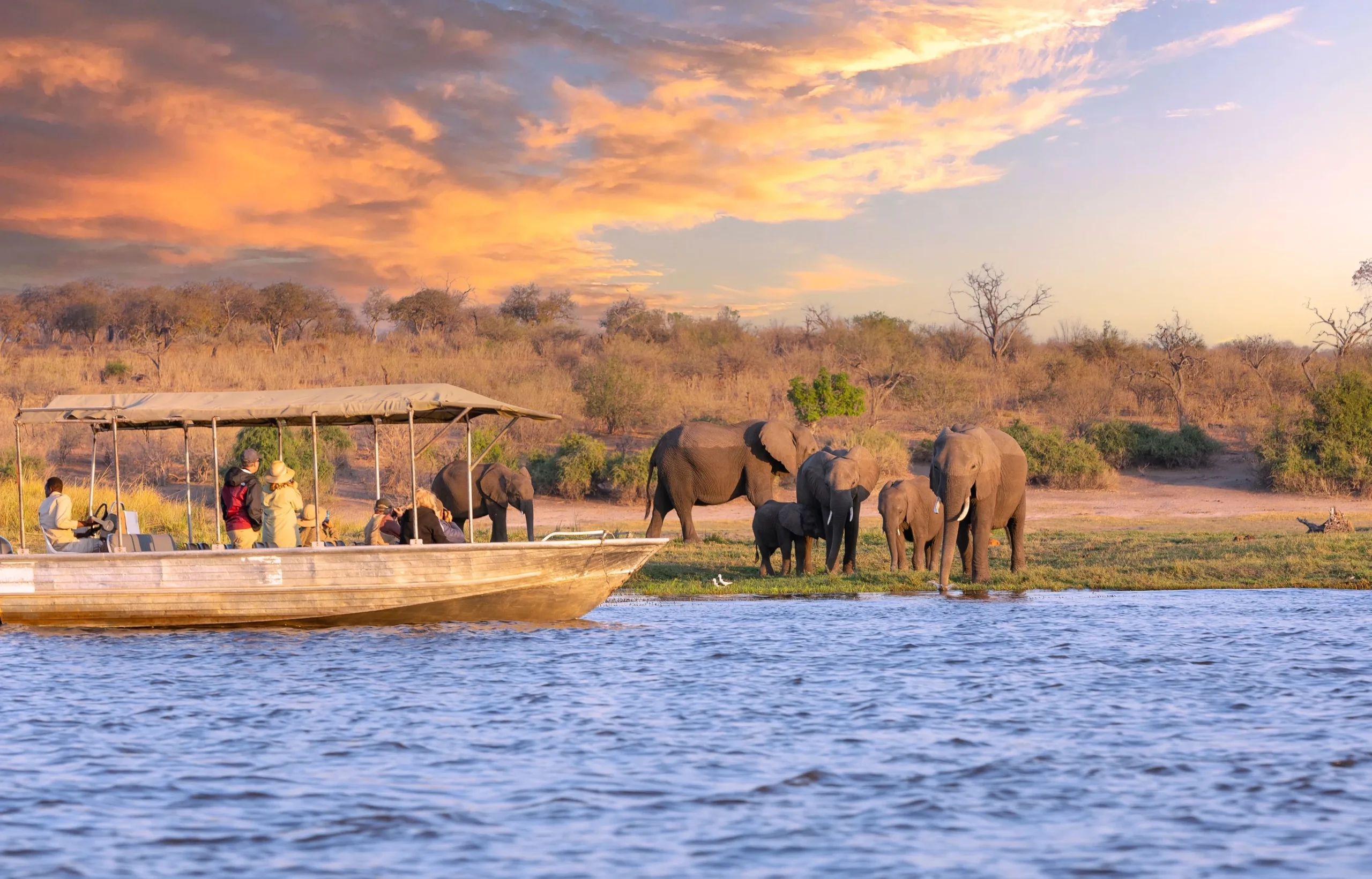


Masai Mara sits about 225 to 275 kilometers from Nairobi. The drive takes five to six hours on a normal day. Some travelers cut that trip to under an hour by flying instead. Both routes reach Kenya’s most famous reserve. They just get you there in very different ways. This guide covers the real distance from Nairobi to Masai Mara. It covers the roads you will drive and the flights that skip them. You will also find honest cost ranges and the best time to travel. A few tips here make the trip smoother too. Maybe you are chasing the Great Migration. Maybe you just want to see the Mara for the first time. Either way, your route choice matters. Knowing your options first saves you time, money, and a few surprises along the way.
Also checkout the best selling: Masai Mara Packages
Here is how the main gates compare for distance and drive time.
| Entry Gate | Distance from Nairobi | Drive Time |
| Sekenani Gate | about 225 km (140 mi) | 5.5 to 6 hours |
| Talek Gate | about 230 to 240 km | 5.5 to 6.5 hours |
| Oloolaimutia Gate | about 230 km | 6 hours |
| Musiara Gate | about 260 to 275 km | 6 to 6.5 hours |
| Oloololo Gate | about 270 to 275 km | 6.5 hours |
Ask your camp which gate they use before you plan the drive.
Road or Fly to the Mara?
You have two real ways to make this trip. Drive it, or fly it. Both work well, and neither one is wrong. The right choice depends on your budget and your schedule. It also depends on how much of Kenya you want to see along the way. A family with five days to spare gets a very different trip. A couple with three nights and a flight home wants something faster. So which one fits you best? Let’s break down what each option involves, mile by mile and dollar by dollar.
Driving to the Masai Mara
Driving is the classic way to reach the Mara. Most first-time visitors choose it for exactly that reason. The route starts on the A104 highway out of Nairobi. It then joins the B3 just before the Limuru junction. Travelers coming straight from the airport can use the Southern Bypass. This connects to the A104 at Kikuyu town and skips a good chunk of city traffic. Nairobi’s own morning traffic is often the slowest part of the whole trip. Leaving before 7 AM usually clears the worst of it.
From Nairobi, the road descends into the Great Rift Valley within the first hour. This stretch alone makes the drive worth doing at least once. From there, the road runs through Narok before splitting toward your gate. Take the C12 for Sekenani, Talek, and Oloolaimutia. Take the C13 instead for Musiara and Oloololo. Along the way, you will pass Maasai villages and grazing cattle. Small trading centers dot the route, ones that rarely make it into brochures.
The road stays tarmac all the way to Narok. After that, the final 50 to 75 kilometers turn to gravel and dirt. A proper 4×4 handles this stretch without much trouble. A regular saloon car does not fare as well. This matters most in the wet season between March and May, or again in November. Most safari operators use a Land Cruiser or a safari van built for exactly this kind of road. Both seat up to seven passengers comfortably, with a pop-up roof for game viewing once you arrive. The van costs less to hire, though it rides a bit rougher on the gravel.
Flying to the Masai Mara
Flying cuts the trip down to under an hour. Flights leave from Wilson Airport in the Langata area, about six kilometers south of the city center. That is not the same as the main international airport. Plan your Nairobi transfer with that difference in mind. Most operators ask you to arrive 30 to 45 minutes before departure. Check-in runs quickly at this smaller airport.
The flight itself takes 45 to 60 minutes. Several carriers run daily schedules, including AirKenya, SafariLink, and Fly540. Most planes make more than one stop, dropping passengers at different airstrips along the route before reaching yours. The views alone are worth the ride. You will see the Rift Valley floor open up beneath the wing within minutes of takeoff.
Baggage rules are strict on these small planes. Most flights cap you at 15 kilograms of soft luggage, combined carry-on and checked. Hard-shell suitcases are not allowed on board at all. Pack light, or store your extra bags at your Nairobi hotel before you fly out.
The Mara has several airstrips, and the right one depends on your camp.
- Keekorok Airstrip serves the central Mara and nearby lodges
- Ol Kiombo Airstrip sits near the Sekenani area camps
- Musiara Airstrip serves the northern Mara and several premium camps
- Angama Airstrip sits up on the escarpment above the reserve
- Mara Serena Airstrip serves camps close to the Mara River
Confirm your airstrip with your camp before booking. Landing at the wrong one adds an extra transfer you did not plan for. That detour can run an hour or more by road.
The Best Road Route to Follow
The drive from Nairobi splits neatly into two legs, and each one feels different behind the wheel. The first leg runs from Nairobi to Narok, about 140 kilometers on smooth tarmac. Expect two to three hours here, with steady traffic near the city. The road opens up nicely once you clear the outskirts. You will pass Mai Mahiu, then climb briefly before dropping into open farmland near Narok.
Narok is your last real stop for fuel, food, and cash before the reserve. It is a working town, not a tourist stop. Expect basic shops, a busy market, and a weigh bridge that trucks queue at for inspection. Do not expect much beyond that.
The second leg, Narok to your gate, covers the rougher ground. It runs 1.5 to 2.5 hours depending on which gate you want. The road shifts from tarmac to gravel partway through this stretch, and the pace slows considerably. Drivers who know the route well tend to time this section for daylight only.
One stop is worth making on the way down. The Great Rift Valley viewpoint near Mai Mahiu costs nothing. It takes about 15 minutes. Photos never quite capture the valley floor view from up there. Vendors sell small carvings and beaded jewelry at this stop. A short haggle is part of the experience.
Quick route breakdown for your drive:
- Nairobi to Narok: tarmac road, about 140 km, 2 to 3 hours
- Narok to your gate: gravel road, 1.5 to 2.5 hours
- Best photo stop: the Rift Valley viewpoint near Mai Mahiu
- Last fuel and cash stop: Narok town
- Alternative western route: via Mai Mahiu toward Musiara and Oloololo gates
The return trip, Masai Mara to Nairobi, follows the same roads in reverse. The drive time barely changes either way. Afternoon traffic near Nairobi can add another 30 minutes on the way back in, though.
What Are the Road Conditions Like?
Road conditions on this route shift a lot by season. It pays to know what you are driving into before you commit to a departure date. Dry season runs roughly June through October, then again in January and February. Roads stay dusty but firm during these months. A 4×4 handles the gravel stretch with barely a bump. Most operators run their normal schedules without delay.
Wet season tells a different story. Between March and May, and again in November, the murram road past Narok can turn to deep mud. What takes five hours in July can stretch to seven or eight in April. A saloon car will not make it through this stretch safely. No amount of careful driving changes that fact. Some sections develop deep ruts that trap vehicles without proper ground clearance.
Here is an honest take on the final hour. It is the part nobody warns you about ahead of time. The tarmac ends and the dust rises fast. The vehicle bounces enough to rattle your camera gear. Most travelers call it part of the adventure. A few call it exhausting instead. Either way, book a proper safari vehicle. You will barely notice the difference once you do. Ask your operator for a recent road update if you travel during the rains. Conditions can change within days.
How Much Does It Cost to Get There?
Transport costs vary a lot depending on how you travel. They also depend on who you book with. A shared shuttle runs about 15 to 25 dollars per person one way. That makes it the cheapest option by far. A private 4×4 transfer costs more, usually 115 to 200 dollars one way. It comes with a dedicated driver and a flexible schedule. Self-drive rentals run 60 to 115 dollars a day. We do not recommend this route for first-time visitors to Kenya, though. Flights sit at the top end. Expect 150 to 350 dollars per person one way, depending on the operator and the season.
Here is the quick cost breakdown:
- Shared shuttle: 15 to 25 dollars per person, one way
- Private 4×4 transfer: 115 to 200 dollars one way
- Self-drive rental: 60 to 115 dollars per day
- Flight from Wilson to a Mara airstrip: 150 to 350 dollars per person, one way
Remember that transport is only part of the total bill. Masai Mara park fees run separately and are not included in most transfer quotes. These fees follow a strict 12-hour entry window.
Most travelers do not price these pieces separately, though. Booking transport inside a full safari package usually works out cheaper. It also removes the guesswork entirely. A 5-day, 4-night Ultimate Masai Mara Experience starts from 950$ per person. That price already includes the private 4×4 transfer, park fees, meals, and game drives. It even adds a stop in Naivasha on the way back. You are not pricing the drive on its own. You are booking the whole trip in one number instead.
Want a wider look at what a Kenya safari costs? Know about the Kenya safari cost guide breaks it down by tier. It covers budget, mid-range, and luxury rates by camp type. Ready to check current dates and pricing? WhatsApp us or email us at, We will walk you through it.
Also check the best: 5 Wildlife Safris in Kenya
Best Time to Travel to the Masai Mara
Season affects more than the wildlife here. It changes how the drive itself feels. It also changes what you will pay to get there. Dry season, from July through December, gives you the easiest roads. The weather stays clearest for driving or flying during these months. It also lines up with the Great Migration between July and October. That timing pushes park fees higher during those months.
Wet season, especially April through June, cuts costs noticeably. Camp rates and park fees both drop, sometimes by 30 percent or more. The tradeoff is a rougher, slower drive. There is a real chance the last stretch turns muddy. If you are flying instead of driving, this tradeoff barely matters. Weather rarely grounds flights for long.
January and February sit in a useful middle ground. Roads stay dry and rates run lower than peak season. The reserve feels far less crowded too.
Read the complete details on: Best time to visit Masai Mara
Travel Tips for the Journey
A few small choices make this trip a lot smoother. This holds true whether you are driving or flying. Pack differently depending on your route. Flying means a strict 15-kilogram soft bag limit. Leave the hard suitcase at your Nairobi hotel if you fly. Driving gives you more room instead. Bring a cooler bag, snacks, and an extra layer for the cold morning game drives.
Timing matters just as much as packing does. Leave Nairobi early, around 6 to 7 in the morning. This helps you dodge city traffic and the weigh-bridge queue in Narok. Arrive at that checkpoint between 11 and 2 on a weekday. You could lose an extra hour waiting there.
A few more things worth knowing before you go:
- Carry motion sickness tablets if the gravel road tends to bother you
- Bring Kenyan shillings in cash for fuel, snacks, and small roadside stops
- The last reliable ATMs sit in Nairobi, not along the route
- Confirm your entry gate or airstrip with your camp before you leave
- Keep your camera gear in a dust-proof bag for the final stretch
- Check current road conditions with your operator if you travel during the rains
- Carry your passport and park entry documents in an easy-to-reach bag
None of this takes much effort to plan around. It just takes knowing about it before you are already on the road.
Conclusion
Getting to the Mara is really a question of time and budget. It is not a question of right or wrong. Drive it if you want to see the Rift Valley up close. Fly it if your schedule is tight instead. Either way, the same wildlife is waiting on the other end. You can stop pricing the drive on its own. WhatsApp or email. We will confirm current dates and pricing for your trip.
FAQs
How do I get from Nairobi to Masai Mara?
You can drive or fly. The drive covers 225 to 275 kilometers and takes five to six hours in a 4×4. Flying from Wilson Airport takes 45 to 60 minutes instead. It lands you at one of several airstrips inside the reserve. Most travelers book this as part of a full safari package. That approach bundles the transfer with accommodation and game drives.
What is the 12-hour rule in Masai Mara?
Park entry runs on a strict 12-hour window. Think 6 in the morning to 6 in the evening. Every visitor pays for one full day within that window. It does not matter how many game drives you fit in. Re-enter the gate after 6 PM, and you owe a second full day’s fee on the spot. Guides who know this rule plan the day’s return drive around it carefully.
How much does it cost from Nairobi to Masai Mara?
Shared shuttles start around 15 to 25 dollars per person. Private transfers run 115 to 200 dollars one way. Flights cost 150 to 350 dollars per person. Booking the transfer inside a full package is usually the better value.
Is Masai Mara worth visiting?
Yes, and most first-time visitors say the same thing once they arrive. The reserve holds the Big Five and the Great Migration. It also holds some of the highest wildlife density anywhere in Africa. Few places deliver this much in just a few days.
Is Masai Mara cheap or expensive?
It depends entirely on your travel style. Budget safaris run 150 to 300 dollars per person per day. Mid-range trips with a private 4×4 land between 300 and 650 dollars per day. Luxury camps with fly-in transfers push past 650 dollars a day. There is a real option at every budget level.