





Kenya is safe for many tourists each year, but the trip depends on where you go and how you move around. Big safari spots like the Kenya Maasai Mara and Amboseli see heavy tourist traffic and strong hotel security. Nairobi feels more mixed. Some areas feel fine in daylight but others do not. Most crime problems hit people who look distracted. Phone snatching happens fast in busy streets and outside malls. Night walks in quiet parts of Nairobi are a bad idea. Full stop.
So, Is Kenya Safe for first-time visitors? Yes, with care. Hotel drivers cost more, but the routes are known and the cars get checked. That matters. Beach towns like Diani and Watamu feel calmer than the capital, though petty theft still happens near crowded bars.Sound paranoid? It’s not. People who plan transport early tend to avoid most problems.
You can also explore our Kenya honeymoon safari tours if you’re planning a romantic trip. Many couples combine safety concerns with choosing the right safari lodges, private transfers, and curated itineraries for a smooth experience. Reach out on WhatsApp to get personalized travel guidance, safety updates, and itinerary suggestions before planning your Kenya trip.
Safest Places to Visit in Kenya
1. Maasai Mara
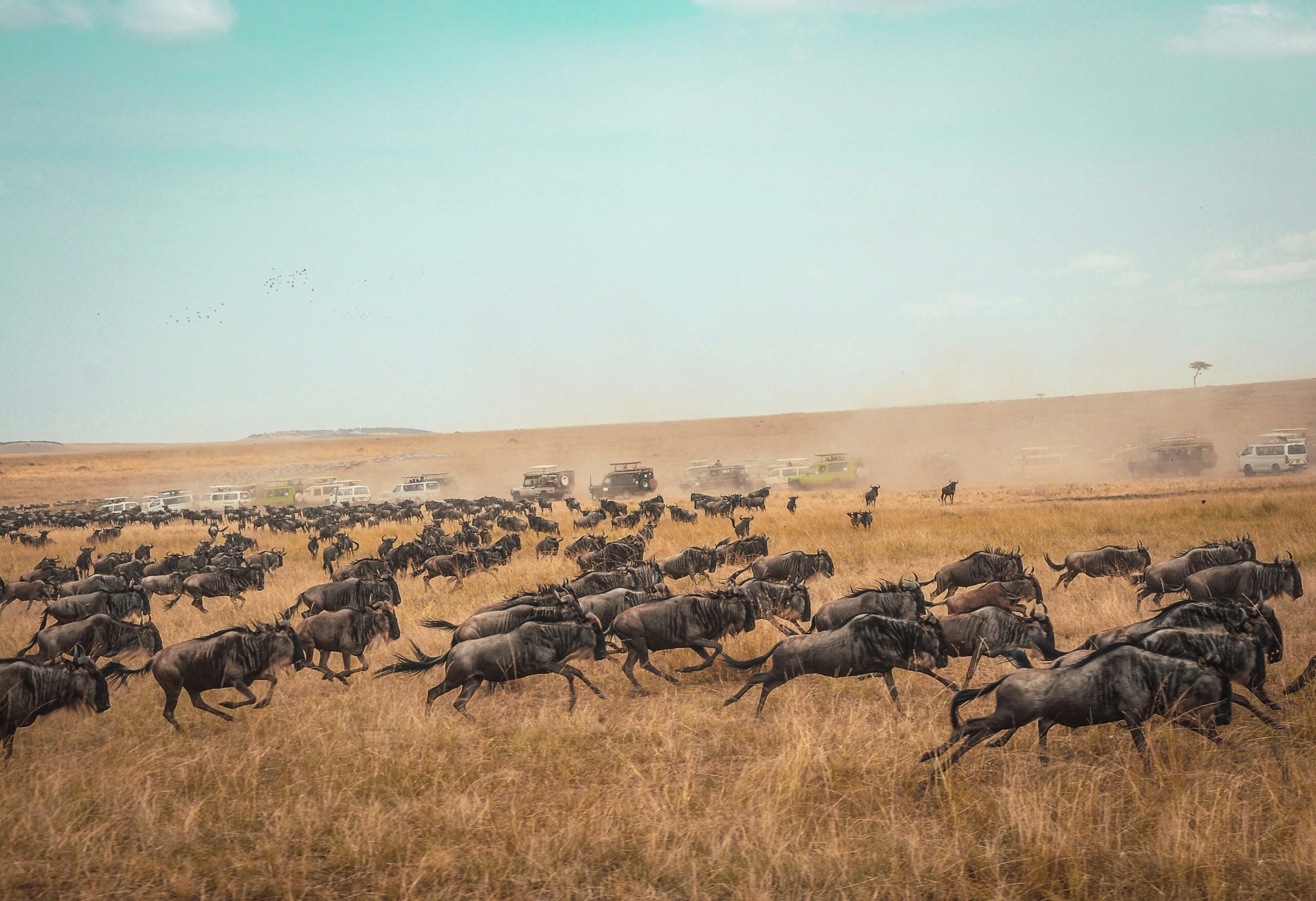
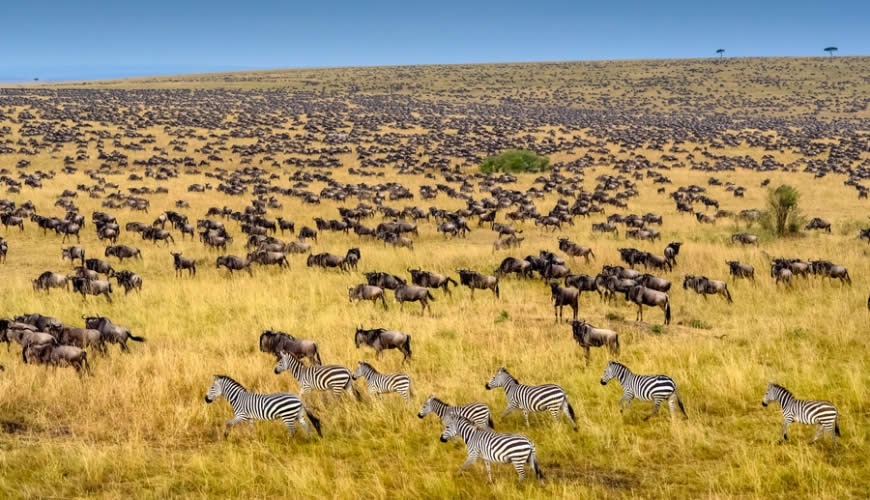
Most people visit the Maasai Mara National Reserve for game drives, but the strong lodge security matters just as much. Safari camps track drivers, arrange pickups, and stay in touch by radio through the day. That setup lowers risk fast. Roads inside the reserve stay busy during peak season, so you rarely feel isolated. Local guides also know which routes to avoid after heavy rain. Want the calmest trip? Book a camp with airport transfer included. It costs more. Many first-time tourists asking “is Kenya safe” start here for good reason.
2. Diani Beach
White sand, warm water and palm trees. Diani Beach feels far more relaxed than Nairobi. Most resorts use guards at the gate and private beach staff through the evening. That helps at night. Still, beach theft happens when phones or bags sit unattended during swimming breaks. Keep things simple. Carry less. Tuk-tuks are common here, though hotel-arranged rides feel safer after dark. The beach road stays lively near restaurants and bars, especially on weekends. Early mornings feel quiet and easy. That’s the best time for long walks.
3. Amboseli National Park
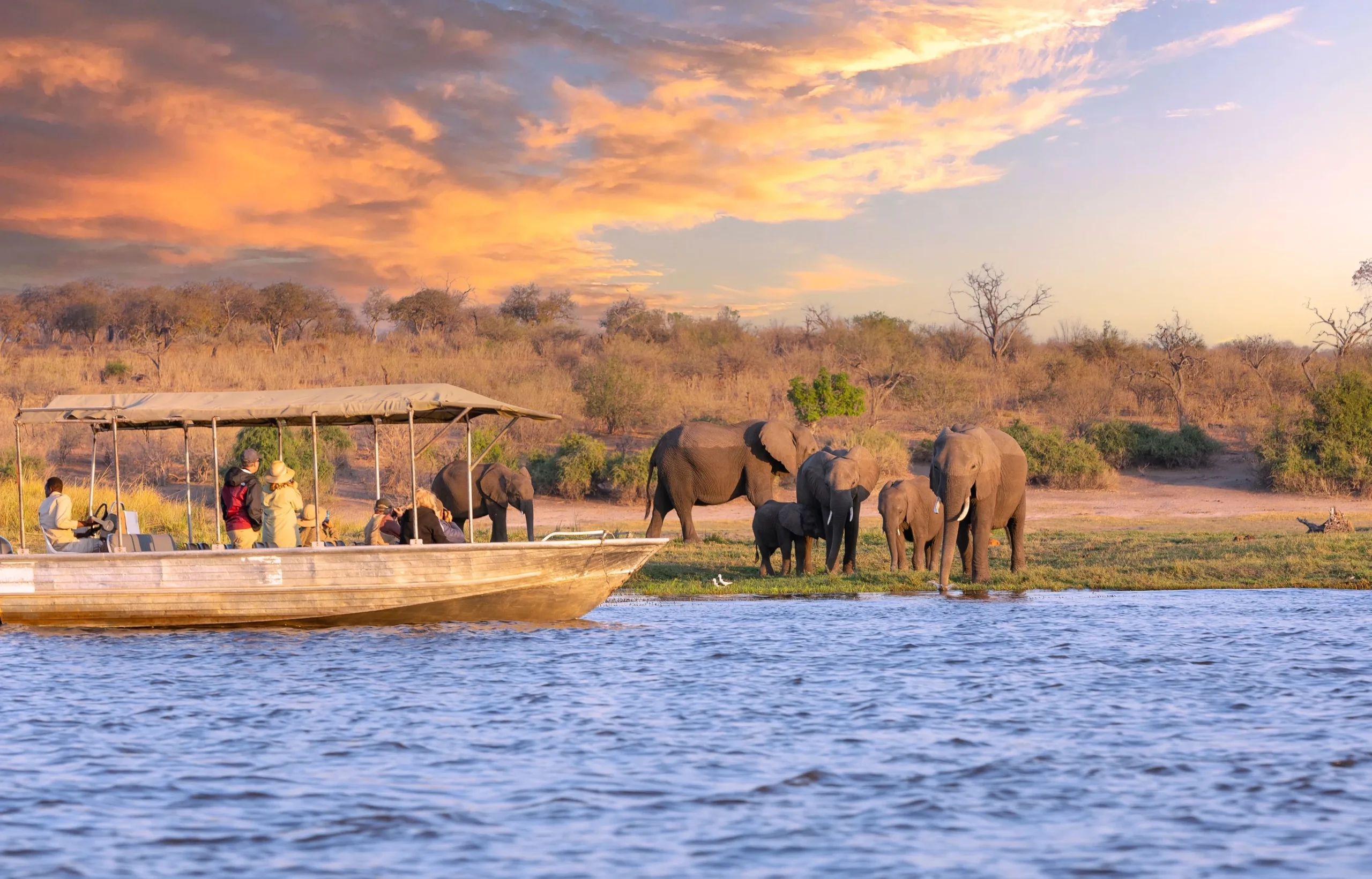
Views of Mount Kilimanjaro pull people into Amboseli National Park, but the park’s pace surprises many first-time visitors. It feels slow and controlled. Safari vehicles enter through checked gates, and lodges stay spread out from crowded town areas. That cuts down petty crime. Elephant sightings happen close to the roads, so guides rarely need risky off-track driving. Dust gets heavy in dry months, though. Bring a face covering for long drives. Night game drives should stay with trusted camps only, skip random roadside tour deals.
Areas Travelers Should Avoid
1. Eastleigh, Nairobi
Eastleigh stays crowded from morning until late evening, but the area feels tense for many tourists. Streets clog with traffic, fast-moving crowds, and informal markets. That confusion makes phone theft easy. Some visitors walk in thinking the busy atmosphere means safety. Local people move with purpose here because they know the area well. Tourists stand out fast. Police operations also happen more often here than in other parts of Nairobi. If you do pass through, stay alert and avoid wandering side streets after dark.
2. Kibera, Nairobi
Kibera draws attention because many documentaries and social media videos feature the neighborhood. That curiosity pulls tourists in. Some even book “slum tours” without understanding the risks. The area has tight alleys, uneven paths, and limited lighting after sunset. Getting lost happens quickly. Local guides help, but random visits do not make sense here. Sounds harsh? It needs saying. Poverty tourism also leaves a bad taste for many people afterward. Visitors looking for culture or food have far better places to spend time in Nairobi.
3. Kenya-Somalia Border Region
The border region near Somalia remains the highest-risk part of Kenya for tourists. Terror threats, armed attacks, and security operations still happen there. News reports cover the worst cases, but smaller incidents rarely reach international headlines and that’s the scary part. Roads stay isolated for long stretches, and help can take hours to arrive if a car breaks down. Some travelers try overland routes for adventure. Most embassies warn against non-essential travel here, and many local guides refuse the routes completely, listen to that instinct.
Safari Safety in Kenya
A safari in Kenya feels exciting from the moment the jeep leaves the gate. Dust rises behind the tires, Giraffes cross the road slowly and then the silence hits. Real wild land feels different in person and you notice it fast. Most safaris run safely because guides take the rules seriously. Good camps track vehicles by radio and check routes before sunrise drives. That system matters more than fancy tents or buffet dinners. People often focus on the animals and the roads deserve equal respect.
The biggest mistakes happen when tourists try to get closer for photos. A lion lying still can charge without warning. Elephants look calm until they feel trapped near a vehicle. Sounds scary? It should. Wild animals are not zoo animals. Choose camps inside trusted areas like the Maasai Mara National Reserve or Amboseli. Drivers there know the terrain well and stay connected with nearby rangers. Cheap roadside safari deals sound tempting after a long flight. Some are careless and others overload vehicles or skip safety checks completely. Night drives need extra care too. Stay seated, keep noise low, listen the first time your guide speaks. Small choices shape the whole trip out there.
Also read here: Places to Visit in Kenya
Tips for Solo Travelers
Traveling alone in Kenya can feel exciting, but solo trips need sharper decisions.
- Keep phones out of sight in packed streets
- Use ride apps instead of random street taxis
- Share your live location with family or friends
- Stay in tourist-friendly areas with visible security
- Carry small cash instead of flashing large bills
- Skip empty beaches after dark, even near resorts
- Trust your gut if a place feels wrong
- Keep a copy of your passport on your phone
Many solo tourists try to save money on transport first and that choice often backfires. Hotel cars cost more, but drivers are known and trips get tracked. Want an honest tip? Make friends slowly. Most people in Kenya are warm and welcoming, though fast trust can create problems anywhere in the world.
Is Kenya Safe for Female Travelers?
Yes, many women travel through Kenya safely each year, especially in safari areas and beach towns. Still, solo female travel here works best with strong planning and good awareness. Places like Diani Beach, Watamu, and the Maasai Mara National Reserve feel far more relaxed than parts of Nairobi after dark.
Resorts and safari lodges often have guards, checked entrances, and trusted drivers and that support changes the mood quickly. Street harassment can happen in crowded city areas, especially when walking alone at night. Most cases stay verbal, but constant attention wears people down over time. Sounds unfair? It is. Many female tourists say the stress feels heavier in busy transport zones than inside tourist areas.
Dress matters in some places too. Coastal towns and local neighborhoods near mosques lean more conservative. Loose clothes attract less attention and help people blend in easier. That small shift can change how a day feels.
Want the smartest move? Arrange transport before landing at the airport. Tired tourists make rushed choices. Those choices often create the worst stories later. Stay alert, trust slow instincts, and avoid trying to “be polite” when something feels off.
Transport & Taxi Safety
Getting around Kenya feels easy at first, but transport mistakes create many tourist problems. Fast, roads stay busy, traffic rules shift block by block, and some drivers push hard for quick cash. Stay sharp from day one.
- Use ride apps like Uber or Bolt in Nairobi
- Avoid random taxis waiting outside airports or malls
- Ask hotels to arrange trusted drivers before arrival
- Check the car plate before entering any taxi
- Sit in the back seat during solo rides
- Keep doors locked in slow traffic areas
- Avoid showing phones near open windows
- Carry small bills for short rides
- Skip overcrowded minibuses if traveling with luggage
- Do not accept rides from strangers after dark
Matatus, the local minibuses, feel chaotic for many first-time visitors. Loud music, sudden stops, packed seats. The whole thing moves fast. Some locals love them. Tourists often feel overwhelmed after one ride. Night travel needs extra care, roads outside major towns can turn dark and rough without warning. Why does that matter? Breakdowns in remote areas take time to fix, and help may sit miles away.
Kenya Travel Safety Tips
Travel in Kenya feels smoother when small safety habits become routine. Tiny choices matter here.
- Keep your passport locked inside the hotel safe
- Carry only the cash needed for the day
- Use hotel-arranged transport after dark
- Avoid walking alone in quiet streets at night
- Wear simple clothes in crowded city areas
- Keep bags zipped in markets and bus stations
- Stay alert near ATMs and exchange counters
- Save local emergency numbers before your trip
- Drink bottled water outside trusted hotels or restaurants
- Ask locals which neighborhoods to avoid before exploring
- Book safaris through trusted companies with good reviews
- Keep a power bank during long road trips
Also checkout here: Best Time to Visit Kenya
Conclusion
So, is Kenya safe to visit? For most tourists, yes. But the trip feels safest when you stay aware and plan the basics early. Kenya gives people incredible moments. Sunrise safari drives. Empty beach mornings, street food smoke drifting through busy night markets. The country feels alive in a way few places do. Still, smart choices shape the whole trip. Pick trusted transport. Stay in known tourist areas, avoid risky neighborhoods after dark, those small moves lower stress fast. People who run into trouble often ignored simple warnings because the day felt relaxed and that happens more than travel blogs admit.
You can also check our Kenya wildlife safari packages to understand how safari travel works across different national parks. Most regions included in safari circuits are well-traveled and regularly visited by tourists. Get in touch on WhatsApp to know current safety insights, safari routes, and updated package pricing before you book your trip.