
Lake Naivasha Kenya is a freshwater lake in Kenya’s Great Rift Valley. It sits about 90 km from Nairobi, roughly two hours by road. It sits at 1,884 meters above sea level, making it the highest lake in the country. Walking among giraffe on a predator-free island is one option. Sitting next to hippos on a morning boat is another. Cycling through a volcanic gorge is a third. All within a single weekend. This guide covers real 2026 costs, how to get there, and how many days to spend.
Where Is Lake Naivasha?
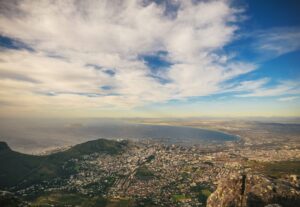
The lake sits in the central Rift Valley in Nakuru County. The geography here is unusual. The Great Rift Valley chain is made up mostly of soda lakes, alkaline and harsh. Naivasha is the rare exception here. Its water stays fresh because of an underground outlet that drains through the rift floor. No visible river runs out of the lake. The water simply stays clean. Yellow fever acacia trees line the shore. The volcanic cone of Mount Longonot stands to the south. The escarpment wall runs along the eastern edge. The Maasai called it “Nai’posha,” meaning “heaving waters.” The storms that roll off the escarpment explain the name.
Also read here about the top: 5 Wildlife Safaris In Kenya
Key facts for Lake Naivasha kenya:
- Distance from Nairobi: about 90 km on the A104 highway
- Drive time: 1.5 to 2 hours, traffic-dependent
- Elevation: 1,884 meters above sea level
- County: Nakuru County, central Rift Valley
- Avoid Friday afternoons: city traffic adds 30 to 60 minutes
How to Get to Lake Naivasha from Nairobi
The A104 highway from Nairobi to Naivasha is well-paved for most of the route. Leave Nairobi by 7 AM. You beat the city traffic and still reach the lake by 9 AM for the morning boat safari. About halfway down the road, the Rift Valley escarpment viewpoint opens up on your left. Stop and take it in. The lake sits in the basin below, surrounded by the valley walls on both sides. It is the kind of view that makes the whole drive feel worth it before you even arrive.
The budget option is the matatu from Nairobi’s Nyamakima stage. Shared minibuses run regularly and cost about $4 to $5 (KES 500). They get the job done. Matatus are also often packed, and driving standards on Kenyan roads are unpredictable. For US visitors, the private transfer or guided safari vehicle is the right call. An Uber from Nairobi runs about $40 to $50 and is a solid middle option.
Travel options from Nairobi:
- Private transfer or rental car: 1.5 to 2 hours, most flexible
- Guided safari with driver: most reliable, all logistics handled
- Uber from Nairobi: about $40 to $50 per trip
- Matatu from Nyamakima stage: about $4 to $5, budget option
Our 7-day Kenya safari covers Nairobi, the Maasai Mara, Lake Naivasha, and Amboseli. All transfers handled from day one. WhatsApp us or email us to check current dates and availability.
Best Things to Do at Lake Naivasha
You can do a game drive, a walking safari, and a cycling safari all in one place. No other destination in Kenya offers that combination. The lake is the starting point for every activity, and each one is genuinely different from the last.
Hippo Boat Safari
Boats depart in the early morning. The best window is 6 to 8 AM. Hippos are still active in the shallows near the papyrus beds at that hour. A standard boat seats up to six people and the guide runs the engine slow along the shore. You see pods of 10 to 30 hippos at close range. The safari boats also carry a fish eagle trick. Guides often drop a fish into the water and call the eagles.
They come low and fast. The bird hits the water surface at speed, pulls the fish, and climbs. The whole thing happens within arm’s reach of the boat. That moment is in almost every visitor’s best photos. Cost in 2026 runs about $25 to $35 per person for a shared boat. A private hire for up to six people runs $30 to $50. The ride lasts about one hour.
Suggested read: Best time to visit Kenya Safari
Crescent Island Walking Safari
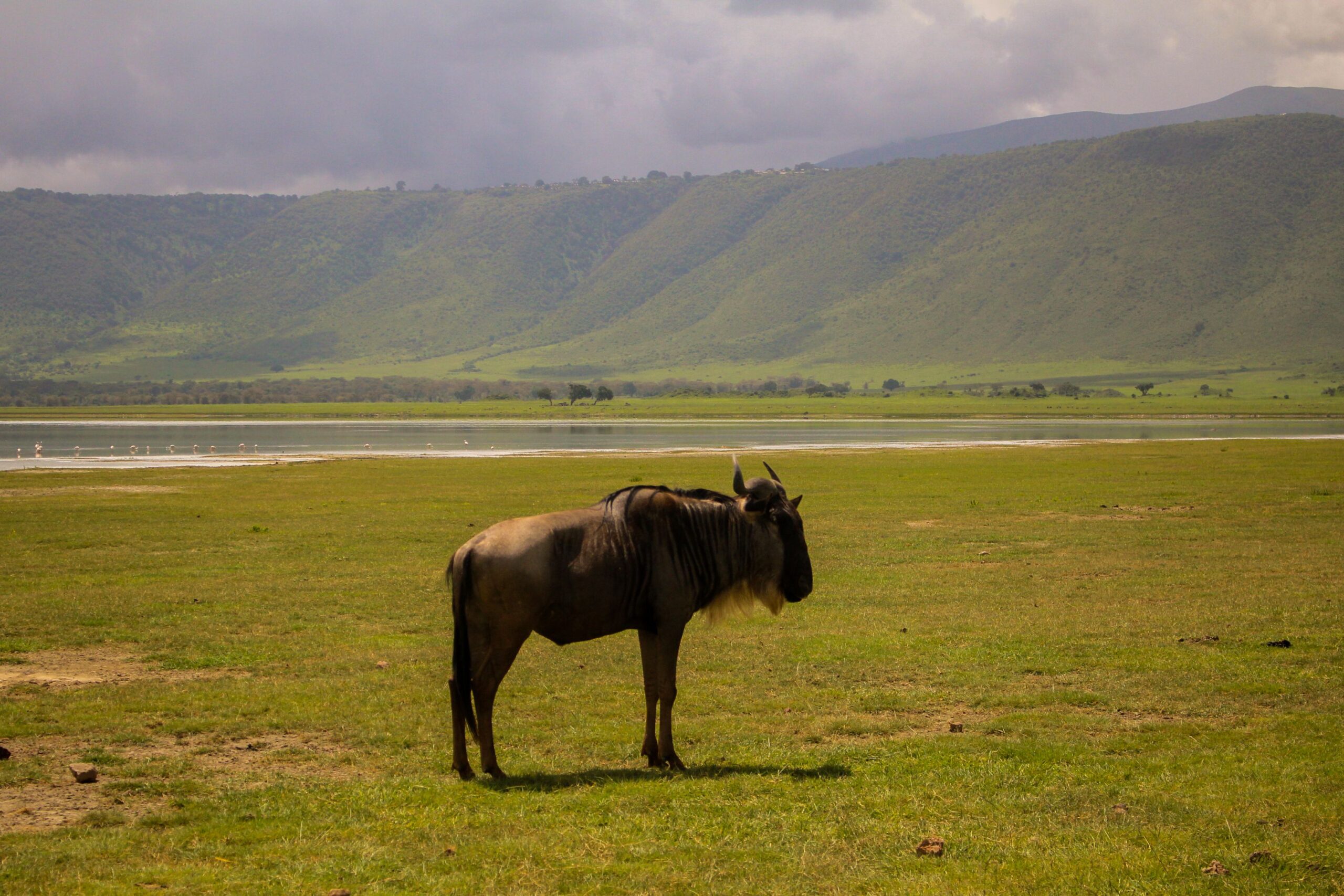
Crescent Island is a privately managed sanctuary on a peninsula in the lake. It has been predator-free for over 40 years. You reach it by a short boat transfer from the main shore. Step off the boat into open grassland. Giraffe walk past at eye level. There is no fence here. No glass between you and the animals either.
No Land Cruiser door between you and them. The island gained fame as a filming location for the 1985 movie “Out of Africa.” It holds giraffe, zebra, wildebeest, waterbuck, and impala alongside over 200 bird species.
Entry is $30 per non-resident adult, plus about $15 to $20 for the boat transfer. One practical note: if there is no gatehouse when you step off, you are at the wrong place. Real Crescent Island has a gatehouse, a fee, and a guide waiting for you.
What you will find at Crescent Island:
- Giraffe, zebra, wildebeest, waterbuck, impala in open terrain
- Over 200 bird species, including herons and kingfishers
- Guided walk included with the $30 entry fee
- Close-up sightings without vehicle or fence
Hell’s Gate National Park and Cycling Safari
It feels like a different planet. The rock walls of the Njorowa Gorge reach 30 meters in places, volcanic red and orange. The gorge narrows to a tight slot at its deepest point. Hell’s Gate sits about 15 km south of the lake shore. It is the only national park in Kenya where visitors cycle freely through wildlife.
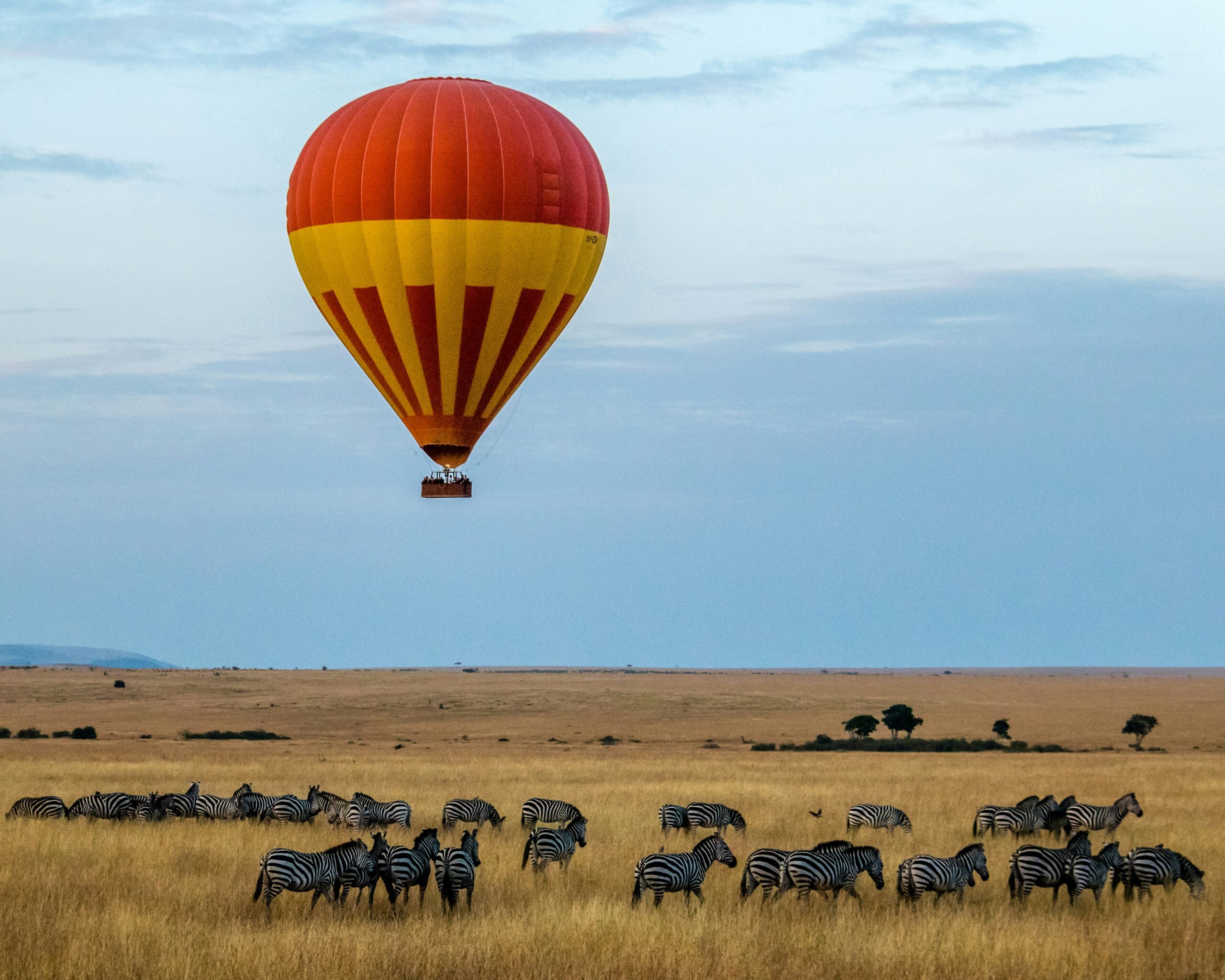
Zebra cross the cycling path freely. Giraffe stand near the track. Warthogs trot past without slowing down. No big predators roam the main cycling area, which is why cycling is allowed at all. Rent a bike at the gate. Check the brakes before you accept it. Rental bikes vary in quality and the track is not flat. Entry is $30 for a non-resident adult plus about $7 to $10 for bike hire.
The Njorowa Gorge walk is a separate activity inside the park. Add it to the afternoon after your morning ride. Fischer’s Tower, a lone volcanic plug, stands at the gorge entrance. The gorge walk takes about two hours. The scale of the rock walls is something photos do not capture well.
Hell’s Gate at a glance:
- Entry: $30 per non-resident adult
- Bike rental: about $7 to $10
- Main cycling track: about 20 km round trip, 2 to 3 hours
- Njorowa Gorge walk: about 2 hours additional
- No big predators on the main cycling circuit
Also read here: Is Kenya Safe?
Mount Longonot Hike
Longonot last erupted in the 1860s. The cone shape has not changed since. It rises to 2,776 meters above sea level, about 15 km from the lake shore. The hike is 11.6 km total. A steep climb leads to the crater rim, then a full loop runs around the top. KWS recommends the anticlockwise direction. From the rim, the lake sits below to the north. The Rift Valley floor opens out in both directions. Entry is $26 per non-resident adult. Budget 4 to 6 hours for the full route. Bring enough water for the full hike. Start early to beat the heat. The trail surface is volcanic scree in sections, and proper hiking shoes make a real difference.
Crescent Island to Elsamere to Karagita — Other Experiences Worth Knowing
The smaller stops at Naivasha fill out a multi-night stay well. Elsamere Conservation Centre sits on the south lake road. It is where Joy and George Adamson of “Born Free” fame lived for years. The afternoon tea on the lawn costs about $20. The grounds hold colobus monkeys in the yellow fever acacia trees. The Olkaria Geothermal Spa is run by KenGen. That is the same company that powers much of Nairobi’s electricity from the geothermal field below.
The outdoor pools are heated by it. Entry runs about $15 to $20. Karagita Beach is a local fishing community spot. Fresh tilapia is grilled and sold at the water’s edge. Crater Lake Game Sanctuary is a small private reserve nearby. It holds a soda lake that draws flamingos and a walking trail most visitors skip.
Checkout the best selling: Masai Mara Packages
Lake Naivasha Wildlife and Birdlife
Birders know this lake well. Over 400 species have been recorded here. Not a dedicated birder at home? You still do not need binoculars to notice the wildlife here. The African fish eagle is the sound signature of the lake. Its call carries across the water at dawn and again at dusk. Great white pelicans cruise in formation just above the surface. African spoonbills, goliath herons, kingfishers, and cormorants crowd the dead trees near the shore. November through April brings migratory species from Europe and Asia. Birders who want the widest variety come in those months. Lodge rates also drop during that window.
Key wildlife at the lake:
- African fish eagle: the call defines every morning here
- Great white pelican: large pods visible from the boat
- Hippo: estimated 1,000 or more in the lake
- Giraffe, zebra, and waterbuck on the lakeshore and Crescent Island
- Colobus monkey: in the yellow fever acacia trees on the shore
- Migratory species from Europe and Asia: November to April
Lake Naivasha Safety — What You Actually Need to Know
The lake is safe. The hippos are not to be taken lightly. Hippos kill more people in Africa each year than any other large animal. The lake has one of the highest hippo densities on the continent. Recorded fatalities have happened at this lake, including a tourist attacked while photographing a hippo near a hotel. That is not meant to frighten you. It is just the honest context. Sound like too much to track? Every guide on the lake knows these rules by heart.
Safety rules at the lake:
- Never walk near the lakeshore at dusk or after dark. Hippos leave the water at night to graze and can travel 5 km inland.
- On a boat: keep distance from hippo pods. If a hippo opens its mouth wide, that is a threat display. Back off immediately.
- At lakeside camps: respect electric fences. They are activated at dusk specifically to stop hippo encounters.
- Never approach a hippo on land, even if it looks stationary.
- Hippos run at 30 km/h. You cannot outrun one.
General safety for visitors at Naivasha is good. Use licensed guides, book through a known operator, and follow the wildlife rules. The danger is specific and avoidable.
Best Time to Visit Lake Naivasha
Most Kenya parks have a clear off-season. Naivasha does not work that way. It sits at high altitude. Temperatures stay mild year-round, between 10 and 28 degrees Celsius. The lake does not dry up or flood with the rains. It stays open and active. That said, some months work better for specific things. June through October is the dry window: clear skies, firm ground at Hell’s Gate, and strong wildlife density.
January and February are quieter, still dry, and often better value. November through April brings rain. Birders prefer this window and lodge rates drop. The one thing to plan around is not the weather. It is the Friday afternoon drive from Nairobi. City traffic adds 30 to 60 minutes to the journey. Leave before noon if you are traveling on a Friday.
Best months by goal for naivasha kenya:
- June to October: dry season, best for cycling and walking trips
- January to February: quiet, good wildlife, lower rates
- November to April: rains, migratory birds at peak, lower prices
- Fridays: leave Nairobi before noon or wait until Saturday
Where to Stay at Lake Naivasha
That is the western shore, and it is where the lake trips start. The main camp and lodge strip runs along this road. The eastern shore near Naivasha town is more urban. It is less suitable if you want wildlife encounters on your doorstep. Budget campers tend to head for Fisherman’s Camp, the most well-known budget spot on the lake.
They activate an electric fence at dusk. That detail alone tells you what the local wildlife density looks like after dark. Mid-range lodges along the south lake road offer en-suite tents with lake views and direct water access. Luxury properties push further still. Private beach sections, nature walks, and game drives through nearby conservancies set them apart. Ask any lodge specifically about lakeshore access before booking. A camp right on the water gives you hippo sounds at 5 AM. Giraffe on the lawn by breakfast is not unusual. A camp set 500 meters back misses both.
How Many Days to Spend at Lake Naivasha
A day trip from Nairobi works, but it leaves feeling rushed. One boat ride and a quick stop at Crescent Island and then it is time to drive back. Two days and one night is the most common choice. Morning boat safari, afternoon at Crescent Island or Hell’s Gate, sunset cruise. Full breakfast at the lake before heading out the next day. That covers the highlights without cutting the key things.
Two nights and three days adds Mount Longonot, Elsamere, or the Olkaria Spa. It is also when the lake stops feeling like a box to tick. Naivasha connects well into a longer Kenya circuit. Lake Nakuru is one hour north. The Maasai Mara is three hours west. Amboseli is accessible via Nairobi on day three or four.
Sample Naivasha Itinerary — 2 Days and 1 Night
It fits into a weekend, covers the core lake activities, and does not feel rushed. Morning wildlife is almost always better than afternoon at Naivasha. The boat runs best between 6 and 8 AM. Plan your activities around that window. Here is what a well-paced two-day trip looks like for lake naivasha kenya:
| Day | Time | Activity | Notes |
| Day 1 | 7:00 AM | Drive from Nairobi | Leave early, reach the lake by 9 AM |
| Day 1 | 9:30 AM | Hippo boat safari | 1 hour, $25 to $35 per person shared |
| Day 1 | 11:30 AM | Crescent Island walking safari | $30 entry + $15 to $20 boat transfer |
| Day 1 | Evening | Sunset cruise or camp dinner | Check in at lakeshore lodge |
| Day 2 | 6:30 AM | Morning at the lakeside camp | Hippos and birdlife on the water |
| Day 2 | 9:00 AM | Hell’s Gate cycling safari | $30 entry + $7 to $10 bike hire |
| Day 2 | Afternoon | Njorowa Gorge walk | About 2 more hours inside the park |
| Day 2 | Evening | Drive back to Nairobi | Or head north to Lake Nakuru (1 hour) |
Our 7-day Kenya safari includes Lake Naivasha as a full stop alongside the Maasai Mara and Amboseli from $1,838 per person with all transfers, park fees, and lodging included. WhatsApp us or email us to see current dates.
Lake Naivasha Costs — What to Budget in 2026
That alone makes it stand out. Most Kenya parks charge $70 to $200 per day per person just to enter. The lake itself is free. The things you do around it carry their own costs, but each activity is priced separately. You can do one or four depending on your budget. Here is what to expect in 2026:
| Activity | 2026 Cost |
| Hippo boat safari (shared) | $25 to $35 per person per hour |
| Hippo boat safari (private, up to 6) | $30 to $50 per boat |
| Crescent Island entry (non-resident adult) | $30 |
| Crescent Island boat transfer | $15 to $20 per person |
| Hell’s Gate entry (non-resident adult) | $30 |
| Hell’s Gate bike rental | $7 to $10 per bike |
| Mount Longonot entry (non-resident) | $26 per adult |
| Elsamere afternoon tea | About $20 per person |
| Olkaria Geothermal Spa | About $15 to $20 per person |
| Full-day guided tour from Nairobi | $100 to $120 per person |
Most operators include park fees in a packaged day trip. Confirm this in writing before you book.
Conclusion
It is not a half-day item on a list. The boat safari, the walk among giraffe on Crescent Island, the volcanic gorge at Hell’s Gate. These are not support acts for the Maasai Mara. They are the main event for a lot of people who visit. For US visitors building a first Kenya route, lake naivasha kenya belongs between Nairobi and the Mara. Not treated as an afterthought. As a full overnight with morning activities on both days. Our 7-day Kenya safari runs Nairobi, Maasai Mara, Lake Naivasha, and Amboseli. All logistics handled from arrival to departure. WhatsApp us or email us and we will put current dates and a full breakdown together for you.
FAQs
Is Lake Naivasha Worth Visiting?
Yes, the lake is worth the trip. It delivers more variety in a smaller area than almost any other Kenya destination. Boat safaris, walking safaris, cycling safaris, and volcano hikes sit within 20 km of each other. The wildlife is very close. The lake has no entry fee. And it is two hours from Nairobi. That makes it work whether you have two days or two weeks.
How Many Days Do You Need at Lake Naivasha?
Two days and one night covers the main activities without feeling rushed. Three days adds Mount Longonot and the smaller stops like Elsamere or the Olkaria Spa. A day trip works if time is short. You will leave feeling like you only scratched the surface.
Can You Swim in Lake Naivasha?
No. The hippo density makes it unsafe. There are an estimated 1,000 or more hippos in the lake. They are active near the shore at night. Recorded fatalities have happened at this lake. This is not a firm rule. It is a firm rule. The lake is for boats and boat-based activities only.
How Far Is Lake Naivasha from Nairobi?
About 90 km by road on the A104 highway, roughly 1.5 to 2 hours depending on traffic. Nairobi traffic adds time on weekday mornings and on Fridays. Leaving before 7 AM on any day keeps the drive clean and fast.
What Is the Best Time to Visit Lake Naivasha Kenya?
June through October for the dry season and the widest range of activities. January and February for quieter conditions and lower prices. November through April for migratory birds and the lowest lodge rates. The lake is accessible year-round. Season shapes the trip, not the access.
Is Lake Naivasha Safe for Tourists?
Yes, with licensed guides and wildlife rules followed. The hippo risk is serious and specific. Follow the rules by the lakeshore at dusk, on the boat, and at camp after dark. General safety for visitors is good. Use a known operator, check the Is Kenya safe guide before you travel, follow your guide’s instructions, and the trip runs smoothly.