
Cape Town, Kruger, and the Garden Route lead the best places to visit in South Africa. Each one delivers something the others cannot touch. Cape Town gives you mountains meeting ocean in one frame. Kruger gives you lion tracks at sunrise. The Garden Route gives you a coastline built for slow driving, not fast flights. Add the Cape Winelands, Blyde River Canyon, and a few smaller stops. This country turns into a full trip fast, not a quick stopover. This guide breaks down where to go and why each spot earns its place on this list.
The Best Places to Visit in South Africa at a Glance
Here is the short list of south africa places to visit. It is ordered the way a real trip actually flows. Start at the top and work down from there.
- Cape Town – mountains, beaches, and city life in one stop
- Kruger National Park – the classic Big Five safari
- Cape Winelands – Stellenbosch and Franschhoek, for wine and long lunches
- Garden Route – a coastal drive between forests and lagoons
- Blyde River Canyon – canyon views that pair naturally with Kruger
- Drakensberg – hiking and rock art, best saved for a longer trip
- Johannesburg – history and culture, and a smart use of a stopover
- Hermanus – whale watching from the shore, no boat needed
1. Cape Town
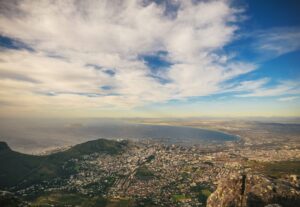
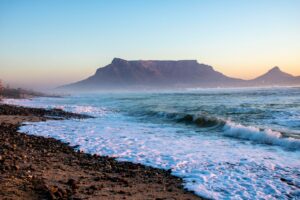
Cape Town earns three or four days, not one. Most first-time visitors book a single night here on the way to safari. Then they regret it by day two. Table Mountain alone deserves a half day. That is only if the cable car happens to be running. Wind closes it often enough that locals check the forecast first. The Cape Peninsula stretches south past Camps Bay and Hout Bay toward Cape Point. Driving that route properly takes another half day on its own.
Boulders Beach sits along that same stretch of coast. Its wild penguin colony catches most first-time visitors off guard. Nobody quite expects penguins in Africa. The V&A Waterfront covers dinner, shopping, and an evening walk in one easy stretch. It works well on a tired first night after a long flight. Robben Island and the Bo-Kaap neighborhood add real history and color to a trip. Neither one needs a full day to see properly. Slot them in around the bigger stops instead.
Here is an honest note most guides skip entirely. Cape Town’s Atlantic beaches look tropical in photos. They feel nothing like it once you touch the water. Cold currents run along this coast year-round. Treat these beaches as scenery first, and a swim spot only if you’re brave.
2. Kruger National Park and the Safari Decision
Most people search “Kruger safari” and picture one single trip. It is not one experience at all. Kruger National Park has public gates open to any visitor. A valid park permit is the only thing required. It also borders private reserves like Sabi Sands and Timbavati. Those reserves share an open, fenceless boundary with the park itself. That difference changes the entire feel of a safari. Few articles explain it clearly.
Public Kruger gates mean lower cost and open access for any visitor. They also mean more shared sightings at busy spots. Several vehicles can park at one leopard sighting on a public gate route. Private reserves work differently from that. Sabi Sands and Timbavati cap the vehicles allowed at each sighting. Guides there can also drive off-road to follow animals through the bush. Public-gate guides cannot do that. That single rule is why a private reserve safari feels quieter. It also feels more personal, even at a higher nightly rate.
Malaria-free options exist too, and few guides mention them clearly. Madikwe Game Reserve and parts of the Eastern Cape sit outside the malaria zone. This suits families with young kids well. It also suits anyone who would rather skip anti-malarial pills on this trip. None of these three paths beats the others on every count. They are three different trips wearing the same “Kruger safari” label.
Three ways to safari South Africa, at a glance:
- Public Kruger gates – open access, lower cost, more shared sightings
- Private reserves (Sabi Sands, Timbavati) – capped vehicles, off-road tracking, higher nightly rate
- Malaria-free reserves (Madikwe, Eastern Cape) – no anti-malarial pills required, good for families
If this is your first safari, our safari preparation guide covers what to pack before you go.
3. The Garden Route
You can drive the Garden Route in about six hours. You really should not try that. Most first-timers try to do exactly that. They end up seeing the whole coastline through a car window. Three days is the real minimum for this route. That is what it takes to feel like a trip, not a drive-by. The stretch runs from Mossel Bay through Knysna and on to Plettenberg Bay. Forests, lagoons, and small towns line the way between them.
Knysna deserves a full day on its own. Its lagoon and the rocky Knysna Heads reward the extra night most people skip. Plettenberg Bay is the better pick if beach time matters more than a lagoon view. Pick one town as your anchor stop. Do not try to squeeze in every town along the route. That single choice separates a rushed drive from an actual Garden Route trip.
4. Cape Winelands: Stellenbosch and Franschhoek
Most guides treat Stellenbosch and Franschhoek as one stop. They are not one stop, though. Stellenbosch is the bigger, livelier town. Its wineries sit close enough together to visit several in one afternoon. It also carries a student-town energy from the university at its center. Franschhoek is smaller and slower. It is built around long lunches rather than tasting-room-hopping.
Neither town is the lesser choice here. They simply suit different paces of travel. Pick Stellenbosch if you want to cover more ground in a day. Pick Franschhoek if two or three unhurried wine lunches sound better than six quick tastings. Most trips do well with a night in each town, rather than choosing just one.
5. Blyde River Canyon and the Panorama Route
Pair Blyde River Canyon with a Kruger trip. The detour barely costs you a day. The canyon sits right off the main routes into Kruger’s northern gates. Skipping it usually is not a matter of interest. It is a matter of not realizing it sits almost on the way. Among the tourist attractions in south africa built around natural scenery, this route ranks near the top. It demands very little extra time.
The Panorama Route strings together God’s Window, Bourke’s Luck Potholes, and the Three Rondavels viewpoint. Each stop takes fifteen to thirty minutes. The whole route fits into a single morning or afternoon. Blyde River Canyon itself ranks among the largest green canyons in the world. Red rock walls drop toward the river far below. Add it to any Kruger-bound itinerary. Do not treat it as a separate trip.
6. The Drakensberg
Does the Drakensberg fit into a first-time South Africa itinerary? Mostly, it does not fit well. This mountain range sits far from Cape Town, Kruger, and the Garden Route. Reaching it adds real driving time to an already packed trip. It rewards hikers with miles of trails and waterfalls. San rock art here runs thousands of years old.
Save the Drakensberg for hiking-first travelers. It also works well as a return-trip destination once the classic route is done. Hiking might be your entire reason for visiting South Africa. If so, move the Drakensberg toward the top of your list. Otherwise, treat it honestly as a second-trip destination. Presenting it as an easy add-on to a ten-day itinerary sets up a rushed drive. Most travelers end up regretting that choice.
7. Johannesburg
Is Johannesburg worth stopping in, or just a place to fly through? Most South Africa itineraries treat it as a connection point only. That undersells the city if you go in with a real plan. Open-ended wandering truly does not work here. It works fine in the walkable center of Cape Town, but not here. Pick your stops first, then drive directly between them.
The Apartheid Museum and a guided tour of Soweto give real insight into the country’s history. Both are worth a half day each. One practical note is worth knowing before you land. South Africa still deals with rolling power outages, known locally as load shedding. Most hotels and lodges run generators for exactly this reason. Guests barely notice more than a short flicker during a stay. Use hotel-arranged transport at night in Johannesburg. Keep valuables out of sight in busy areas during the day.
8. Hermanus and Whale Watching
Southern right whales show up off Hermanus from June through November most years. July through October is when sightings run close to guaranteed. That distinction matters if you are planning a real date around this trip. Most guides skip it entirely.
Walker Bay’s sheltered waters bring whales close to the shore. A cliff path above the town gives you a clear view. A boat is not required to see them well. Book a boat tour anyway if you want a closer look. The cliff path view and the boat view are two different trips entirely. Gansbaai sits nearby and offers a quieter, less crowded alternative during peak months. Add the Hermanus Whale Festival in September if your dates line up with it.
9. Which Region Fits Your Trip
Not every “best places to visit in South Africa” list fits your actual trip. Treating them as if they do is how itineraries go wrong. Match your priorities to a region first. Then build your route around that one choice.
A first-timer with ten days should anchor the trip around Cape Town and one safari region. Add the Garden Route only if time allows. A safari-first traveler should skip the coast entirely. Split your time between a private reserve and a malaria-free park instead. A wine-and-food traveler should treat Stellenbosch and Franschhoek as the anchor. Cape Town works better here as a short bookend, not the main event. A family with young kids does better at a malaria-free reserve like Madikwe. It removes the anti-malarial pill question entirely, and that alone beats Kruger for this group.
Match your trip type to your priority region:
- First-timer, 10 days: Cape Town plus one safari region
- Safari-first traveler: private reserve, compared against a malaria-free park
- Wine-and-food traveler: Stellenbosch and Franschhoek as the anchor
- Family with young kids: a malaria-free reserve over Kruger itself
Best Time to Visit South Africa’s Top Destinations
There is no single best month across every region in this guide. Pretending otherwise sets up real disappointment. South Africa’s seasons run opposite the US calendar. That creates a genuine trade-off, not one clean answer.
In 2026, the dry season across Kruger and most safari regions runs roughly May through September. Thinner bush makes animals easier to spot near water holes then. This same window is also peak whale season in Hermanus. Safari and whale watching line up well together because of that overlap. Cape Town runs on the opposite calendar entirely. Its warm, dry summer falls November through March. That is exactly when safari game viewing gets harder. Beach crowds also peak during those same months.
Pick safari first if wildlife matters more on this trip. Accept a cooler, breezier Cape Town in exchange for it. Pick the coast first if beach days and wine lunches matter more instead. Expect thinner game sightings during that same window. Most travelers do best with a shoulder season instead of either extreme. March through May, or September into October, split the difference well for most trip styles.
| Season | Good for | Trade-off |
| May–Sept (dry) | Safari game viewing, Hermanus whales | Cooler, breezier Cape Town |
| Nov–March (summer) | Cape Town beaches and city days | Thinner safari sightings |
| March–May / Sept–Oct | A workable middle ground | Neither season peaks fully |
What a South Africa Safari Actually Costs
This is the section where we speak plainly. Most guides leave this part out entirely. Expect to spend more on safari nights than on the rest of a South Africa trip combined. That single fact drives most of the budget decisions here.
As of 2026, picture a South Africa trip of ten to twelve nights for two. It breaks into three rough cost tiers. A budget-conscious route runs on self-drive travel and public Kruger access. It lands somewhere around $4,000 to $7,500 per person, all-in with flights. A mid-range trip pairs a guided private-reserve safari with solid Cape Town hotels. It sits between that budget figure and the premium tier below. A premium trip builds on private-concession lodges throughout the stay. It runs $8,000 to $12,500 per person and upward from there.
Safari lodge quality moves the total more than any other single choice on this trip. A Cape Town hotel night and a private safari lodge night sit far apart in price. Decide your safari tier first, and let the rest of the trip flex around it. We build South Africa itineraries around exactly this order for every traveler who reaches out to us.
Ready to build yours around a real budget instead of a guess? WhatsApp us or email us with your rough dates. We will help you land on the right tier for your trip.
Entry Rules and Getting Around
US passport holders do not need a visa for South Africa for stays up to 90 days. That covers nearly every trip built from this guide. Bring a passport valid at least 30 days past your departure date. Add a return ticket, and the border process stays simple. South Africa runs roughly twice the size of Texas. Driving between clusters takes real planning because of that. Cape Town to Kruger is a two-hour flight, not a drivable day trip. No map will tell you that clearly enough. Most itineraries mix a rental car for regional legs, like the Garden Route or the Winelands. They pair that with one domestic flight for the long jump to Kruger.
- Regional self-drive legs: Garden Route, Winelands, Cape Peninsula
- One flight leg: Cape Town to Kruger or Johannesburg
- Private transfer: worth it for night arrivals or tight connections
Conclusion
The best South Africa trip gets built around your actual priorities. It should not follow a checklist of every place on this page. Pick safari, wine, coast, or some mix of the three. Let your route follow that one choice instead. We build South Africa itineraries around exactly this kind of priority call, safari region first. Everything else layers in around that one decision. WhatsApp us or email us whenever you’re ready to start building yours. That includes an East Africa extension if a Kenya or Tanzania safari sounds like a natural next chapter.