
Umoja Village in Kenya is a women-only community in Samburu County. It welcomes visitors every day of the week. No men actually live here. That single detail makes this stop stand out on any Kenya safari. The village sits right next to Samburu National Reserve. That’s about 380 kilometers from Nairobi. Pairing a visit with a game drive takes almost no extra planning. This guide covers the entry fee and the directions. It also covers the best time to go and what actually happens once you arrive. Consider this the practical half of the story most blogs skip.
Explore the best: 5 wildlife Safaris in Kenya
What Is Umoja Village?
Umoja means unity in Swahili, and the name fits. Rebecca Lolosoli founded Umoja Village Kenya in 1990. Fourteen other Samburu women joined her. Every one of them had survived rape, forced marriage, or genital mutilation. Women in Samburu culture could not own land back then. They couldn’t keep livestock either, or sit in on major decisions. Lolosoli changed that by building a place where the old rules didn’t apply.
She got the idea in a hospital bed. Men in her own village had beaten her for speaking up about abuse. That detail explains a lot about why this place exists. It wasn’t planned as a business. It started as fifteen women choosing to build something new instead of staying somewhere unsafe.
The village has grown well past its original 15 residents. It now shelters around 40 women and roughly 150 to 200 children. They run a primary school. They also sell beadwork and host tourists to keep the community funded. None of this runs on outside charity alone. Umoja Village in Kenya survives because the women built a real economy, piece by piece.
Decisions get made collectively here. Women often gather under a spot known as the tree of speech. Every woman holds an equal vote, regardless of age. Rebecca Lolosoli still leads as chairperson today. Her authority comes from respect, not from rank. That distinction matters more here than almost anywhere else.
A few quick facts worth knowing before you go:
- Founded in 1990 by Rebecca Lolosoli
- “Umoja” translates to unity in Swahili
- Home to roughly 40 women and 150 to 200 children
- Funded through tourism, beadwork sales, and a small community tax
Where Is Umoja Village Located?
Umoja Village Kenya sits near Archer’s Post in Samburu County. It rests on the banks of the Ewaso Ng’iro River. Samburu National Reserve sits right next door. The drive from Nairobi covers about 380 kilometers. That takes five to six hours by road. The distance sounds long on paper. Most visitors barely notice it, though, since the drive doubles as the first leg of a Samburu safari.
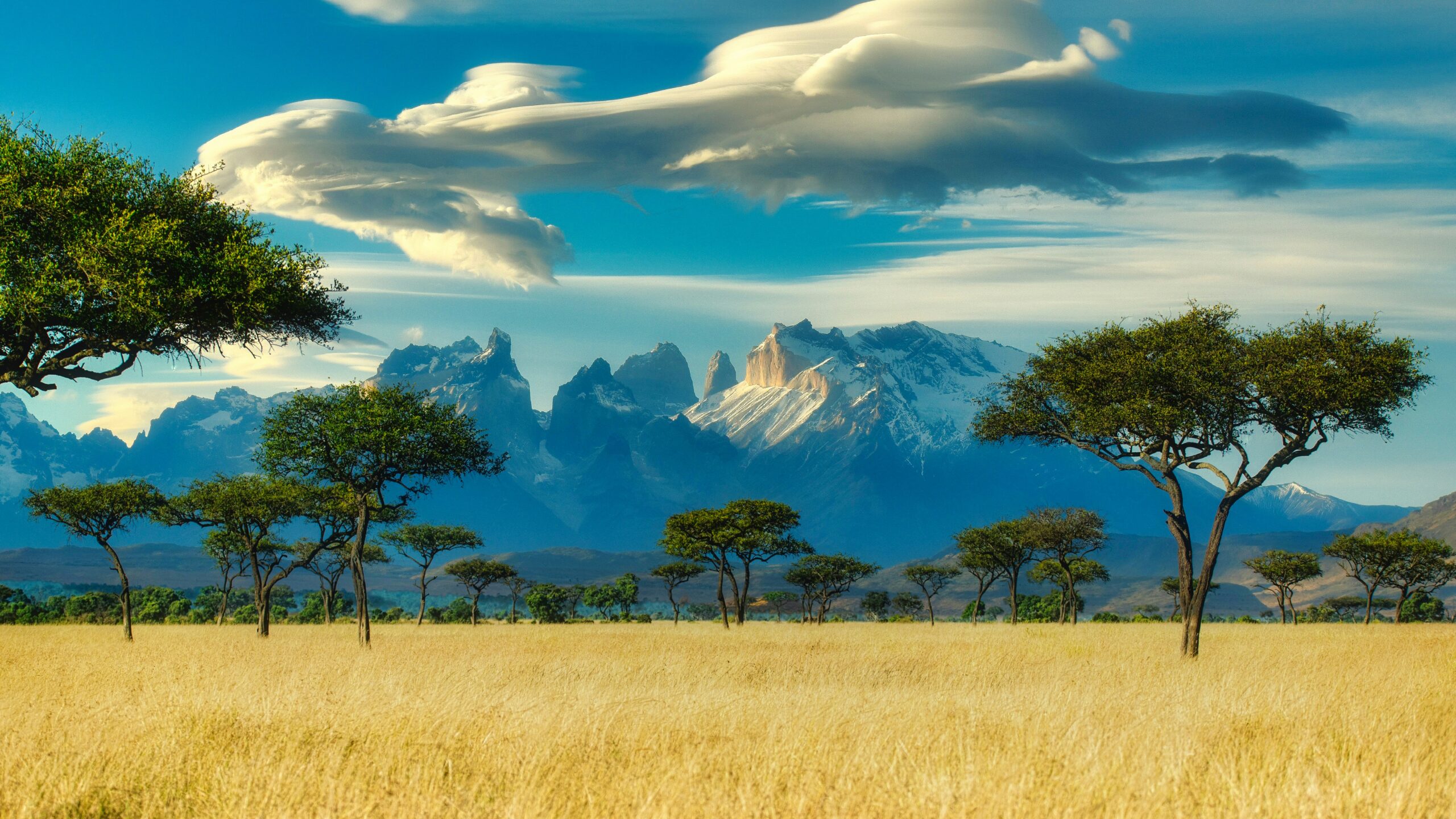
The landscape changes fast on the way north. Nairobi’s hills give way to farmland near Nanyuki. Farmland then turns into flat, dry scrub around Samburu. Mount Kenya stays visible for a good stretch of the drive. That makes a decent photo stop if you’re not rushing. The village sits close to the main Isiolo to Marsabit highway. That makes it an easy stop for anyone already heading north.
Locals sometimes call this stretch of Kenya the “real north.” It looks and feels different from the greener parks further south. Roads thin out through here. Towns get smaller, and the heat picks up past Isiolo. None of that should scare off a first-time visitor. It just means the drive up is part of the trip itself.
Also read the best: Places to Visit in Kenya
How to Get to Umoja Village
Getting to Umoja Village in Kenya rarely takes special arrangements. Most visitors reach it through a guided safari transfer heading toward Samburu. That removes most of the guesswork. Others hire a car in Nairobi and drive up themselves. It takes patience, but no special skill beyond comfort on long roads. A smaller number take local matatu transport to Archer’s Post. From there, they walk the last stretch or grab a boda-boda. Flying is also worth knowing about. It cuts travel time down to well under an hour in the air.
Plan to arrive with daylight still on your side, whichever route you choose. The village welcomes guests during the day. Driving these roads after dark adds risk without much upside. A guide through a safari operator usually handles this timing for you. That’s one good reason most first-timers let someone else drive.
- Self-drive or hired car from Nairobi, roughly five to six hours
- Guided safari transfer as part of a Samburu itinerary
- Local matatu to Archer’s Post, then a short walk or boda-boda ride
- Flight to the Samburu airstrip via Safarilink, then a short pickup
Best Time to Visit Umoja Village
Timing here mostly depends on roads and wildlife. The village itself stays open year-round. Dry seasons run June through October and January through March. Roads stay firmer then, and game viewing gets better too. Wet months bring mud, and mud slows everything down. April, May, and November see the heaviest rain. Safari vehicles can genuinely get stuck on these tracks.
Temperatures stay warm to hot here all year. Packing light, breathable clothing matters more than picking an exact month. Early morning and late afternoon offer the best hours for walking around. Midday sun gets intense fast in this part of Kenya. Most people treat Umoja as a half-day add-on to a Samburu safari. So pick whatever season suits your Samburu trip. The village visit will fall into place on its own.
Entry Fee and Cost to Visit Umoja Village
Visiting Umoja Village in Kenya costs about 1,000 Kenyan shillings per person. That works out to roughly seven or eight US dollars. Exchange rates shift, so treat that as a close estimate. The fee goes straight to the women’s cooperative. No middleman takes a cut here.
Budget extra beyond the entry fee for beadwork. Buying jewelry directly puts money in the hands of the woman who made it. Necklaces and bracelets usually run a few dollars apiece. Larger pieces cost more, depending on the detail. Skip the haggling here entirely. A few extra dollars barely dents a US travel budget. It means a lot on the other side of that trade. Guides sometimes offer add-ons too, like an evening bonfire with dancing. These usually carry a small extra charge, so ask up front.
Do You Need to Book in Advance?
No, you don’t need to book ahead for a day visit. Showing up unannounced works fine. The village welcomes walk-in visitors daily, with no reservation system to navigate. Staying overnight changes the math completely. The campsite and bandas have limited space. Anyone planning to sleep there should book a few days out. This matters most during the busy dry-season months, when safari traffic through Samburu picks up. Skipping that step risks showing up to a full house.
If a tour operator built your trip, ask them to confirm this booking directly. Most people planning a visit to Umoja Village in Kenya fold this step into a wider Samburu booking anyway, so it rarely becomes its own separate task.
What to Expect During Your Visit
A visit to Umoja Village Kenya usually starts at the campsite entrance. You pay the fee and meet your guide there. The women greet arriving guests with singing and dancing next. This often happens near the open space known as the tree of speech.
The energy hits before you even see anyone. Singing carries well across this flat, dry landscape. You’ll likely watch a beadwork demonstration too. Some guides let visitors try threading a piece themselves.
The guides are the women themselves. Conversations happen in English, without much friction. They talk openly about the village’s history and mission. The tone stays forward-looking rather than heavy, though. This isn’t a staged show for cameras. It’s a working, self-run community that welcomes outsiders a few hours at a time. Most visitors leave surprised by how ordinary daily life looks underneath the story.
Expect to see children running between huts. Women tend small vegetable gardens nearby. Some visitors ask about the men who once threatened the village. Guides are usually candid about that history, without dwelling on it. A full visit typically runs 45 minutes to an hour. It can stretch longer if you linger over beadwork. Bring cash in small bills, since change for large notes runs scarce out here.
A typical tour usually includes:
- A welcome ceremony with singing and dancing
- A walk through the village and its traditional huts
- A short talk on the village’s history and mission
- Time to browse and buy handmade beadwork
- Optional extras, like a bonfire evening or short-term volunteering
Where to Stay Near Umoja Village
Most visitors never need a separate hotel near Umoja Village in Kenya. The village runs its own setup with three lodging formats. Each one suits a different kind of traveler. Nearby lodges inside Samburu and Buffalo Springs also make sense. That’s true if a pool matters more to you after a hot day.
The traditional hut option puts you closest to daily village life. It’s built from cow dung and wood, and it stays surprisingly cool inside. Bandas offer a step up in comfort without losing the sense of place. They sit on the same grounds but add piped water and a private bathroom. The riverside campsite works well for budget travelers. It also suits anyone already carrying camping gear from earlier stops.
- Traditional hut within the village – the most immersive choice, basic but memorable
- Safari camp bandas – self-contained chalets with piped water and more comfort
- Riverside campsite – a budget option with shared bathrooms, a bar, and a small restaurant
- Nearby lodges – mid-range to luxury options in Samburu or Buffalo Springs, about 25 minutes away
Booking a nearby lodge doesn’t mean missing the village experience. Most lodges in the area arrange transfers to Umoja as a half-day trip. You get a proper room at night and the cultural visit by day.
Things to Do Around Umoja Village
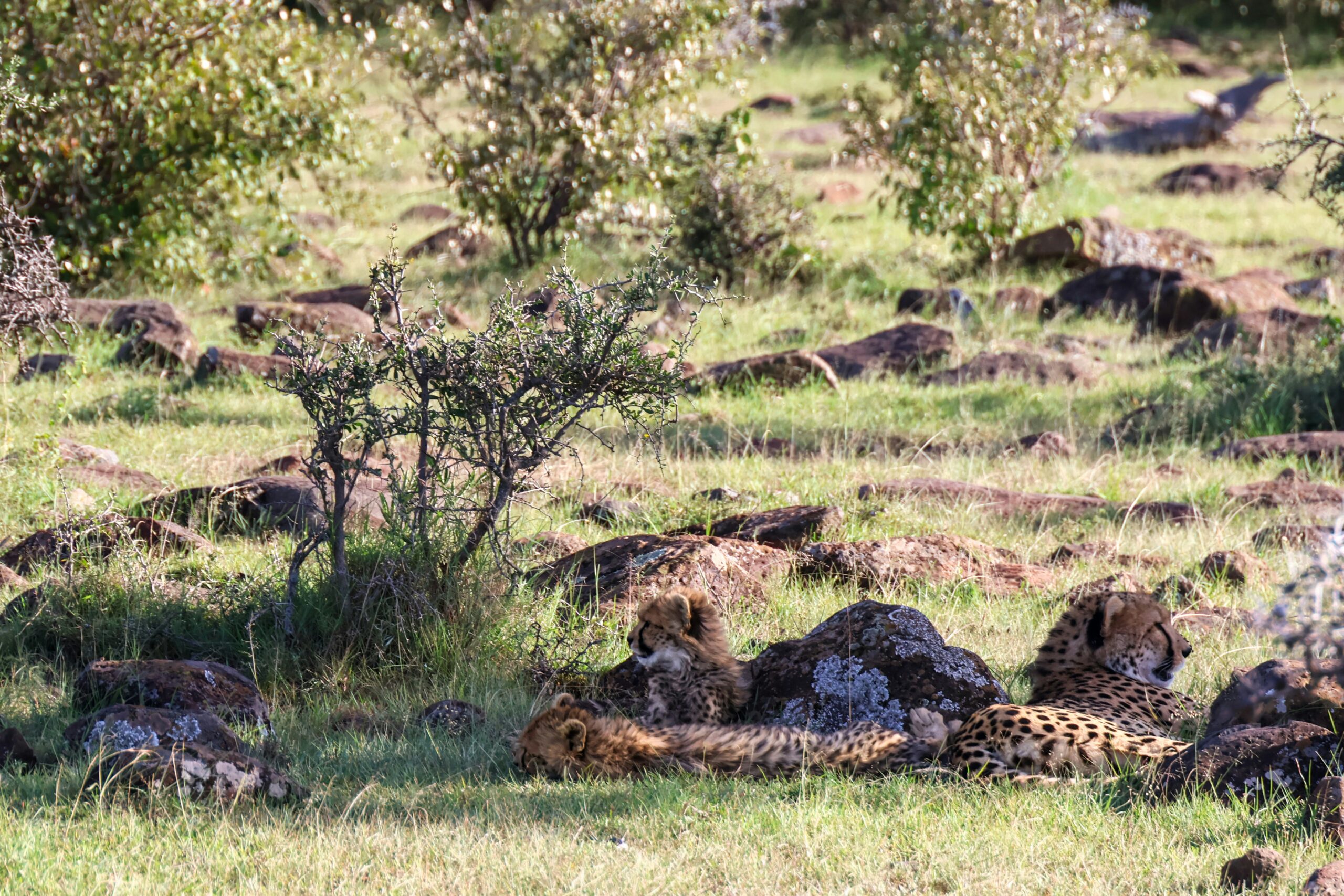
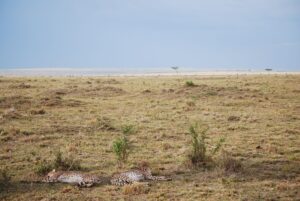
Umoja Village Kenya works best as one stop on a bigger route. It shouldn’t be the whole trip on its own. Samburu National Reserve sits right next door. It holds the so-called Samburu Special Five: Grevy’s zebra, reticulated giraffe, gerenuk, Somali ostrich, and Beisa oryx. None of these five show up reliably further south. That’s exactly why wildlife fans build a Samburu leg into their trip. A morning game drive and an afternoon village visit fit into one day easily.
Buffalo Springs National Reserve sits close by too, just across the river. It’s an easy add-on for a second game drive with different terrain. Travelers on a longer route often extend toward Ol Pejeta Conservancy. Ol Pejeta is known for its rhino conservation work. Stack these together, and a two or three day loop covers wildlife, culture, and conservation without much backtracking.
Fishing trips along the Ewaso Ng’iro River offer a quieter option too. Local guides can also arrange visits to smaller Samburu manyattas beyond Umoja. None of those carry quite the same history, though. For most first-time visitors, Samburu’s wildlife plus one strong cultural stop covers the essentials.
How to Plan a Kenya Safari That Includes Umoja Village
Umoja sits close to Samburu National Reserve, so the easiest way to see it is inside a bigger Kenya safari. A solo day trip from Nairobi rarely makes sense on its own. We build these northern extensions into custom itineraries fairly often. The logistics aren’t complicated once a route gets set. Most of our current packaged safaris focus on the Masai Mara, Amboseli, and northern Tanzania. A Samburu and Umoja add-on usually comes together as a custom route instead.
That doesn’t mean pricing stays a mystery, though. Our existing packages give a useful sense of what a multi-day Kenya trip runs. We can scale a Samburu extension from a similar starting point, depending on group size and trip length.
- 5D/4N Ultimate Masai Mara Experience, from $950
- 4-Day Safari through Tarangire, Serengeti, and Ngorongoro, from $1,430
- 7D/6N Kenya Safari covering Nairobi, Maasai Mara, Naivasha, and Amboseli, from $1,838
A common approach pairs three or four days in the Mara or Amboseli with a two or three day run north to Samburu. That closes the loop with Umoja before heading back to Nairobi for the flight home. It keeps driving times reasonable and skips unnecessary backtracking.
If a Samburu and Umoja add-on sounds like the missing piece in your plans, reach out. We’ll build a route around it. The fastest way to start is a message on WhatsApp. You can also send a note to reservations@alikaadventures.com. We’ll put together a quote based on your dates and group size.
Visiting Umoja Responsibly
Umoja is not a human safari, and it shouldn’t feel like one. The women here deserve the same respect any host deserves. They aren’t a curious stare reserved for an attraction. Ask before photographing anyone, every single time. A quick word through your guide usually gets a yes, and it costs nothing to ask first.
Buy beadwork at a fair price, and skip the aggressive haggling. Every purchase funds the school and the community fund directly. Negotiating hard over a two-dollar gap misses the point of visiting at all. When women share hard parts of their stories, listen without pity. Respect for what they’ve built carries a very different tone than sympathy for what they survived. That difference matters more than most visitors realize going in.
Dress modestly here, since Samburu communities generally favor covered shoulders and knees. Follow your guide’s lead on which topics feel open for questions. None of this needs a long checklist memorized in advance. It just asks visitors to treat the visit as a real exchange. It’s not a photo opportunity dressed up as culture. Travel operators who bring groups to Umoja Village Kenya carry some responsibility here too, and briefing guests before arrival makes a real difference on the ground.
Conclusion
Umoja Village in Kenya turns a wildlife trip into something with real weight. It’s rare to find a stop that pairs game drives with a genuinely meaningful cultural encounter. This one manages both without feeling forced. Plenty of travelers fly to Kenya for the animals and leave with those memories alone. That’s a perfectly good trip on its own. Adding an afternoon at Umoja gives the trip a second layer. Send a message on WhatsApp or email us, and let’s build a route that includes it.