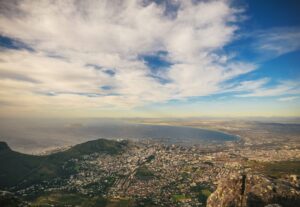


May through September is the best time to visit South Africa for safari. November through March wins instead for Cape Town and the coast. That single sentence already splits the country in two. South Africa is too big for one clean answer. Most guides pretend otherwise, and that’s exactly what makes them useless once you sit down to book flights. This guide breaks the country apart by region, month, and budget. Plan around your actual dates, not an average.
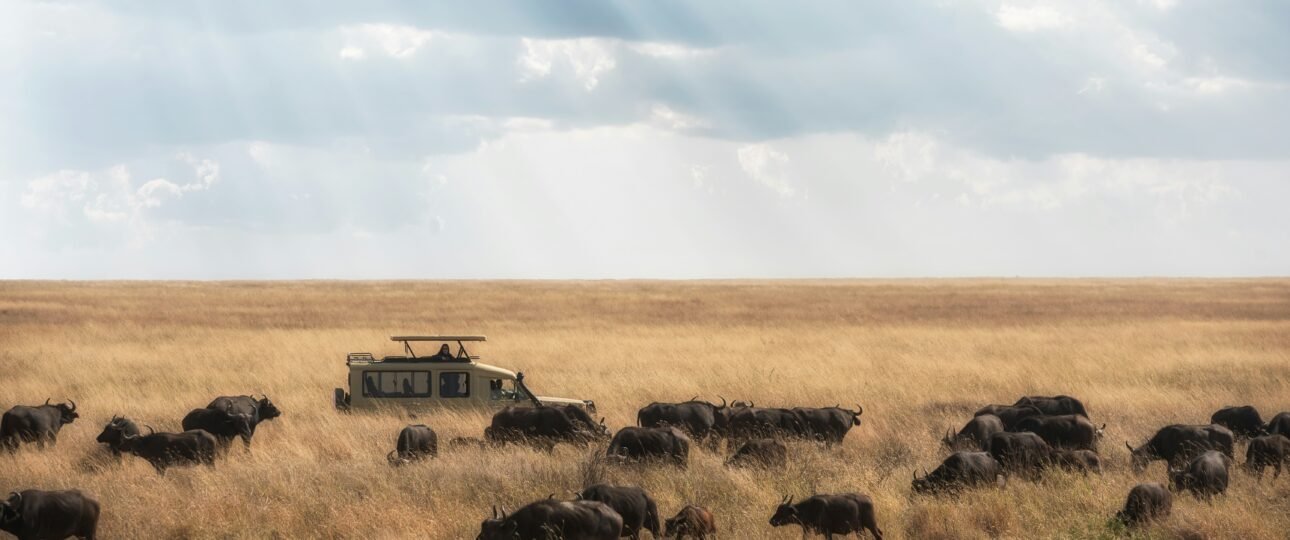
Safari season runs May to September. Dry weather pulls animals toward waterholes during these months. Cape Town and the beaches peak November to March instead, when the city runs warm and social. Whale season along the southern coast runs June through November. Shoulder months, March to May and September to October, split the difference well for a first visit.
Why South Africa Doesn’t Have One Answer
South Africa’s seasons run backward from what most US travelers expect. December through February is summer here, not winter. June through August is winter, not summer. Everyone reads that fact once and nods along. Then they book a Cape Town trip in July anyway. July still feels like summer out of habit, and they land straight in the rainy season instead.
The country also runs three weather systems at once, not one. Cape Town’s Western Cape region gets its rain in winter. It stays dry all summer, closer to a Mediterranean pattern. Kruger’s interior flips that completely, with summer thunderstorms and bone-dry winters. Somewhere between the two sit the Garden Route and the KwaZulu-Natal coast. Rain spreads more evenly across the year there.
That mismatch is the real planning trap here. Someone books a trip around soft, green summer photos of South Africa. They land in Kruger and find the bush thick, with half the animals hidden behind it. Someone else avoids “winter” entirely on instinct. They skip the exact months when game viewing actually peaks. Neither mistake comes from ignorance. Both come from applying a US calendar instinct to a country running the opposite one.
Know which season you’re booking before you touch a single flight search.
Best Time to Visit South Africa by Region
Most guides answer this question for the whole country at once. Your actual trip only touches two or three regions of it. A ten-day trip in October looks nothing like a ten-day trip in December. The region you build around should shift with your dates, not the other way around.
Wildlife should decide everything if it’s your priority. Book May through September, then build the trip around Kruger or Sabi Sand first. Beach days and city life matter more to some travelers. Flip the logic then, and chase November through March along the coast instead. Most first-timers try to force both priorities into one perfect month, and that month simply doesn’t exist. Pick a side instead, then treat the other region as the bonus stop, not the anchor.
| Region | Best months | What you get | What you give up |
| Kruger & Sabi Sand (safari) | May–September | Thin bush, waterhole activity, cool mornings | Cold nights, less green scenery |
| Cape Town & Winelands | November–March | Warm, dry days, buzzing outdoor life | Peak crowds, higher hotel rates |
| Garden Route | Best Nov–April | Mild weather, fewer weather surprises | Doesn’t line up with peak safari or whale timing |
Month-by-Month Guide to South Africa
January
January runs hot almost everywhere in the country. Cape Town easily hits the low 90s on a clear afternoon. Local schools are still on summer break. Beaches and the Winelands fill up fast this month. Kruger sits deep in its green season now. The bush looks stunning in photos, and it hides animals well behind it. Book early if Cape Town anchors your trip. January rates run close to the year’s highest.
February
Cape Town stays hot straight through February. It’s often the single warmest month there on record. The city’s grape harvest kicks off around now. Wine estates get genuinely busy with picking and pressing. Safari regions stay green and lush through this month too. Game drives take real patience here. Crowds thin slightly from January’s peak. Lodge rates ease down right along with them.
March
Something shifts noticeably in March. Temperatures ease back into the mid-80s at last. The sharpest heat of summer finally breaks. Rain starts tapering off across the safari regions too. This genuinely ranks among the strongest all-around months to travel. Crowds thin, prices ease, and game viewing keeps improving. All three land at once here.
April
April might be the country’s best-kept secret. Easy days and cool nights define the whole month. Crowds thin out noticeably compared to summer. Stellenbosch and Franschhoek turn gold and deep red now. The Winelands shift fully into autumn color. Wildlife sightings keep improving as the bush thins further. Easter brings a short domestic travel bump. Book around it if your dates land close.
May
May tips the country into its dry safari season properly. Mornings turn genuinely cold, sometimes near 40°F. Pack a real jacket for early game drives here. Heading out on your first safari? Check our safari packing guide before you leave. The bush thins fast now across safari country. Predator sightings improve as prey grows easier to track. Whale season starts building along the southern coast too. This is the honest start of prime safari timing, not just the calendar’s version of it.
June
June brings true winter to the interior. Frost shows up on cold, clear highveld mornings now. Cape Town turns cold and wet through this month. It often logs ten rainy days across June alone. Dry season safari conditions keep getting stronger regardless. Animals cluster tight around shrinking waterholes as a result. Mid-June also opens the school holiday window. That briefly pushes safari lodge prices back up.
July
July usually runs as the coldest month of the year. Frosty dawns near Kruger give way to clear, sunny days. Game viewing hits its best stretch of the year here. Minimal cover leaves animals fully exposed near water. Whale watching also ramps up hard this month along the coast. Sound extreme, planning a trip around winter’s coldest month? It pays off fast once you’re standing at a waterhole at sunrise.
August
August keeps the dry safari conditions rolling at full strength. Many safari guides quietly call this the strongest month for Big Five sightings. Namaqualand’s wildflower season also starts building toward its peak further west. Whale numbers keep climbing steadily along the coast too. Everything that worked in June and July keeps compounding through August, without winter’s harshest edge left in it.
September
September marks spring’s real arrival across the country. Temperatures climb fast, and wildflowers hit their peak in Namaqualand. The fynbos bursts into color around the Cape around now too. Dry season safari conditions are still holding strong right now. That holds right before the shift toward summer rain begins. Hermanus hosts its whale festival late in the month, timed to the season’s peak sightings.
October
October gets our vote for the single best all-around month here. Weather runs warm without turning brutal by midday. Whale season is still active along the southern coast. Wildflowers still carpet parts of the West Coast too. Safari conditions hold up well early in the month. The first summer rains usually wait until later. Jacaranda trees bloom purple across Pretoria and Johannesburg too, a detail most guides skip.
November
November flips the country toward full summer fast. Afternoon thunderstorms become a near-daily feature across the interior. Vegetation thickens quickly across the bush as the rains build. Baby animals start appearing everywhere once the wet season kicks in. Cape Town stays mostly dry and warm through this shift. Its long outdoor season kicks off right as safari conditions start easing back.
December
December runs hot and social almost everywhere. Cape Town hits its festive peak around the holidays. Beach culture, markets, and outdoor concerts run late into most evenings. Safari regions turn green and dramatic through the month. Storms roll in fast most afternoons here. Prices sit at their yearly high across nearly every region. Book six to twelve months out if December is locked into your dates.
Best Time for a Safari (Big Five, Kruger & Sabi Sand)
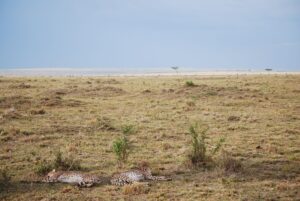
Dry season decides more of your safari than almost anything else. May through September strips the bush back to bare branches. Animals cluster tight around shrinking waterholes instead of scattering across a green landscape. That single shift is why photographers treat these five months as the gold standard here.
The trade-off shows up fastest in your wallet. A mid-range lodge near Kruger or Sabi Sand often runs noticeably higher through August and September. Demand peaks hardest right through those two months. That same room can drop well below its peak rate during the quieter green season instead. Same lodge, same guide, same land. What actually changes is the crowd size and the price tag attached to it.
Our own South Africa planning breaks this down by full itinerary, not just per-night rates. Take a ten to twelve night trip pairing safari with Cape Town. On the lean end, that runs $4,000 to $7,500 per person. Flights are already included in that figure. Push toward private-concession lodges throughout the stay instead. That same trip climbs toward $8,000 to $12,500 per person. Full tier breakdowns sit in our South Africa honeymoon planning guide. The same seasonal math applies whether you’re traveling as a couple or a family. Some travelers pair Kruger with a second bush leg further north. Botswana runs on a similar dry-season clock. Our Botswana safari timing guide covers that overlap in more depth.
Rough safari season breakdown:
- Peak dry season (Jul–Sep): best sightings, highest lodge rates, book early
- Shoulder dry season (May–Jun, Oct): strong game viewing, better value
- Green season (Nov–Apr): lush scenery, thinner sightings, lowest rates of the year
Tell our safari specialists your actual dates. We’ll tell you honestly whether you’re sitting inside peak pricing or shoulder-season value. WhatsApp us or email us. We’ll build the safari side of your trip around whatever window works best for you.
Best Time for Cape Town, Beaches & the Garden Route
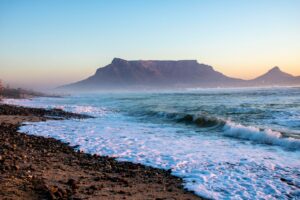
The month that’s best for a Kruger safari is close to the worst month for Camps Bay. That tension sits at the center of nearly every South Africa itinerary. Almost no guide states it plainly enough to actually plan around. Cape Town runs warm and dry from November through March. Safari regions turn green and lush during that same exact stretch.
Winter along the Cape coast, June through August, brings real rain into the city. That same stretch happens to line up with the best safari conditions further north. Anyone building a combined trip has to accept a trade. One region runs slightly off-peak while the other one peaks hard.
The Garden Route sidesteps some of that tension nicely. Rain spreads more evenly across the year along this stretch. There’s no single dry season and no single wet one to plan around. November through April still gives the most reliable run of warm days for a proper road trip. Stellenbosch and Franschhoek pair well with either season. Wine country stays easy and mild most of the year.
Whale Watching Season in South Africa
Hermanus isn’t the only place to see them. It’s just the most photographed one. Southern right whales move into the bays along South Africa’s southern coast roughly June through November. Numbers peak August through October most years. Hermanus draws the crowds and the festival, timed for late September.
Walker Bay and Plettenberg Bay run on nearly the same calendar. Both see a fraction of the visitors that Hermanus gets. Worth knowing if three other guides already pointed you straight there.
Cheapest Time to Visit South Africa
May through August is South Africa’s cheapest stretch. One real exception hides inside that window, though. Safari lodges usually discount their rates through these months. Flights from the US often run cheaper too. Cape Town hotels ease off their peak pricing during this same window.
The exception sits right in the middle of that cheap season. Mid-June through mid-July lines up with South Africa’s own school holidays. Lodge rates climb back up briefly through that exact stretch. Miss that detail, and a budget trip can land closer to peak pricing than planned.
Where the savings actually land:
- Cheapest months: May, June (outside school holidays), July (outside school holidays), August
- The trap window: mid-June through mid-July
- What drops most: safari lodge rates, some flights, Cape Town hotel rates
FAQs
What is the best month to visit South Africa overall?
October often wins as the best single month here. It balances active whale season, lingering wildflowers, and strong early safari conditions, right before the summer rains return.
When is the best time to travel to South Africa for a safari?
May through September is the best time for a safari trip here. July through September delivers the strongest Big Five sightings of the year.
Is there a month to avoid?
December and January bring the highest prices and the thickest crowds nationwide. Neither month brings a matching payoff in game viewing. Travelers on a tight budget tend to get the least value from these two months specifically.
Is South Africa a year-round destination?
Yes, and that holds up genuinely well here. Every month offers something worth planning a trip around. That could be peak safari, whale season, wildflowers, or simple off-peak value.
Conclusion
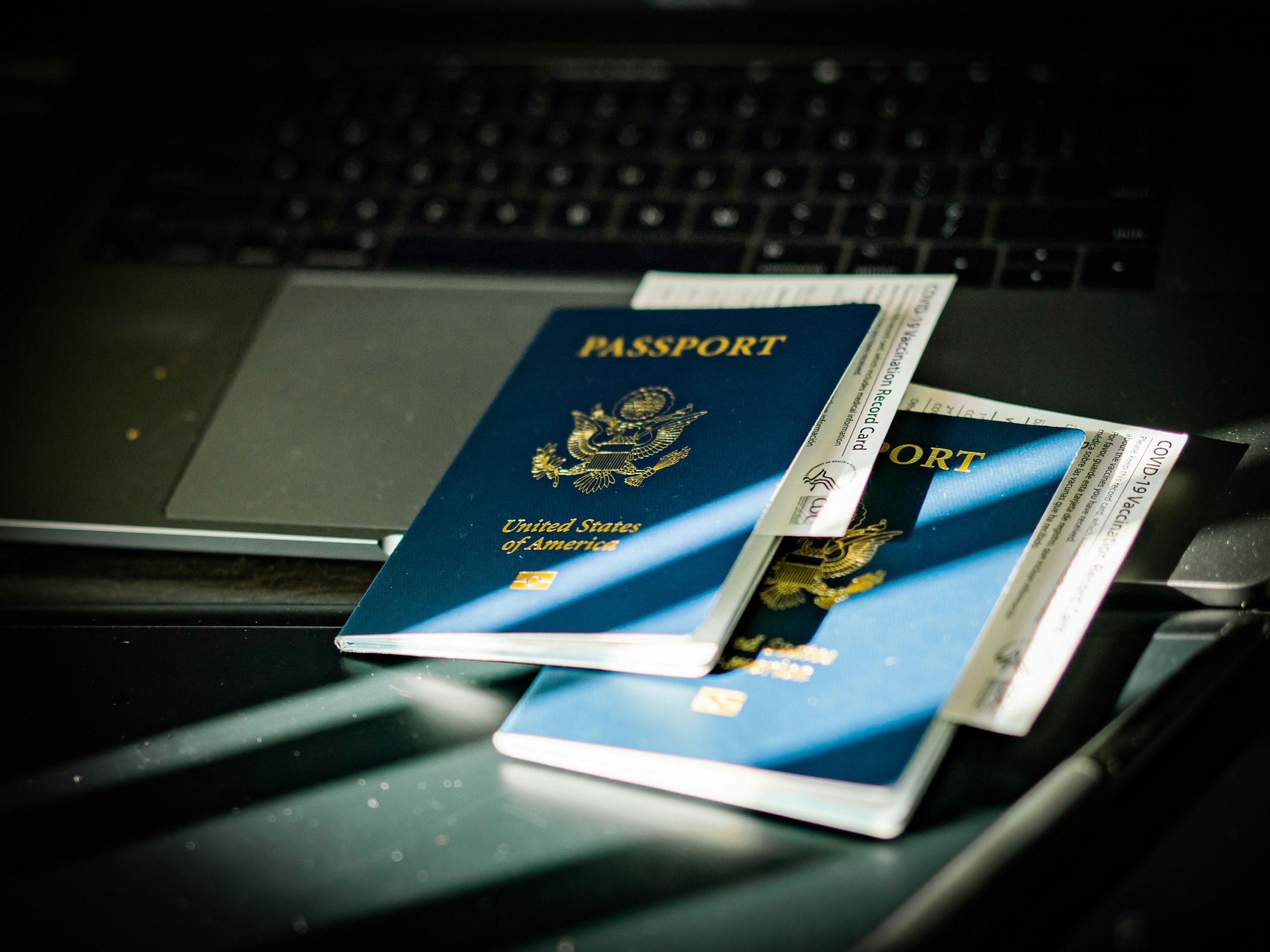
Pick your region first, and let the month follow from that single choice. Chase safari, and May through September wins easily. Chase Cape Town and the coast instead, and November through March takes over. Shoulder months like April and October split the difference well for a first trip. Our specialists build South Africa itineraries around exactly this order, region first and month second. Once your dates are set, check our South Africa visa guide for US citizens too. Most US trips need nothing more than a valid passport. WhatsApp us or email us whenever you’re ready to lock in your dates.