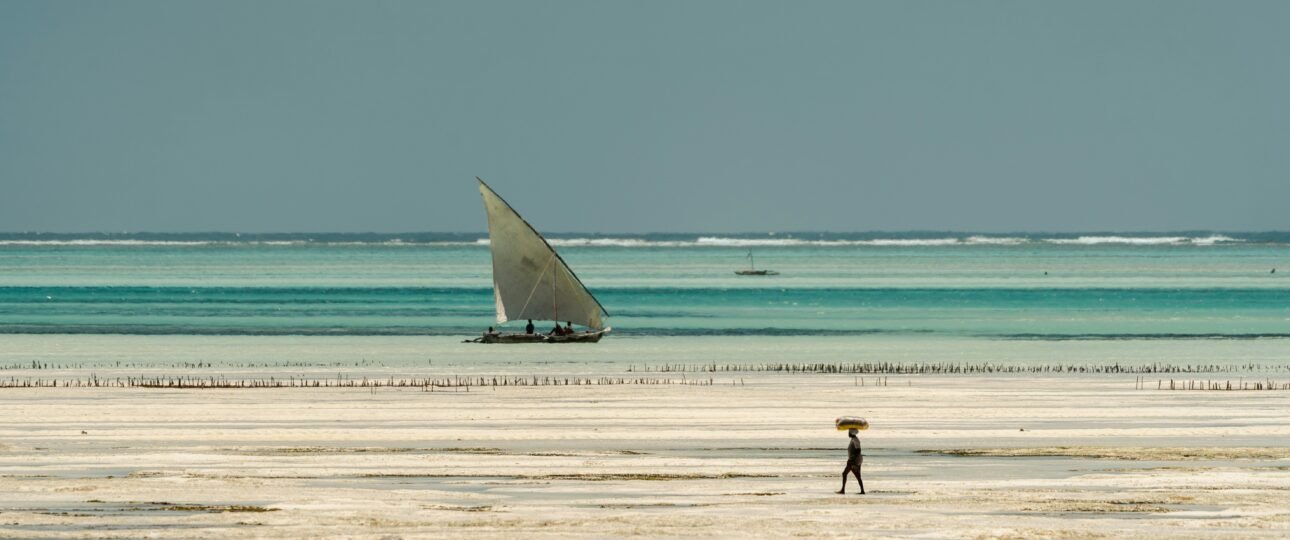


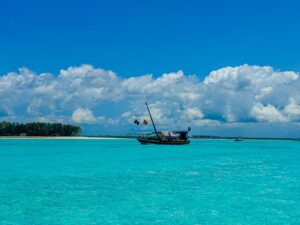
The best Zanzibar beaches are not the crowded resort strips most travelers see first. Some of the most beautiful shores sit quietly beyond the usual tourist route. We learned this the slow way during our own trip across the island. The moment you step onto a quiet stretch of sand in Zanzibar, the colors stop you. The water shifts between pale turquoise and deep blue while wooden dhows drift along the horizon. Soft white sand presses under your feet, and the breeze carries the smell of salt and seaweed drying in the sun. Yet many travelers visit two famous beaches, snap photos, and assume they have seen it all. That assumption misses a huge part of what makes Zanzibar beaches so special.
Zanzibar, called Unguja by locals, forms part of an island chain with nearly fifty islands in the Indian Ocean. Each coastline behaves differently, which surprises many first time visitors. The north offers calm water most of the day, while the east changes shape with the tides. We noticed this quickly when moving between villages along the shore. The beaches in Zanzibar Tanzania can feel like entirely different destinations depending on the coast you explore. Some beaches buzz with kitesurfers and beach bars. Others sit beside quiet fishing villages where daily life unfolds right on the sand. Once you understand this pattern, choosing the right beach becomes much easier.
You can also explore our Kenya and Tanzania safari packages if you’re planning to combine Zanzibar’s beaches with an unforgettable wildlife adventure. Many travelers pair a safari with a beach stay for the perfect East Africa holiday. Chat with us on WhatsApp to get personalized itinerary recommendations, safari options, and updated pricing before you book.
1. Nungwi Beach
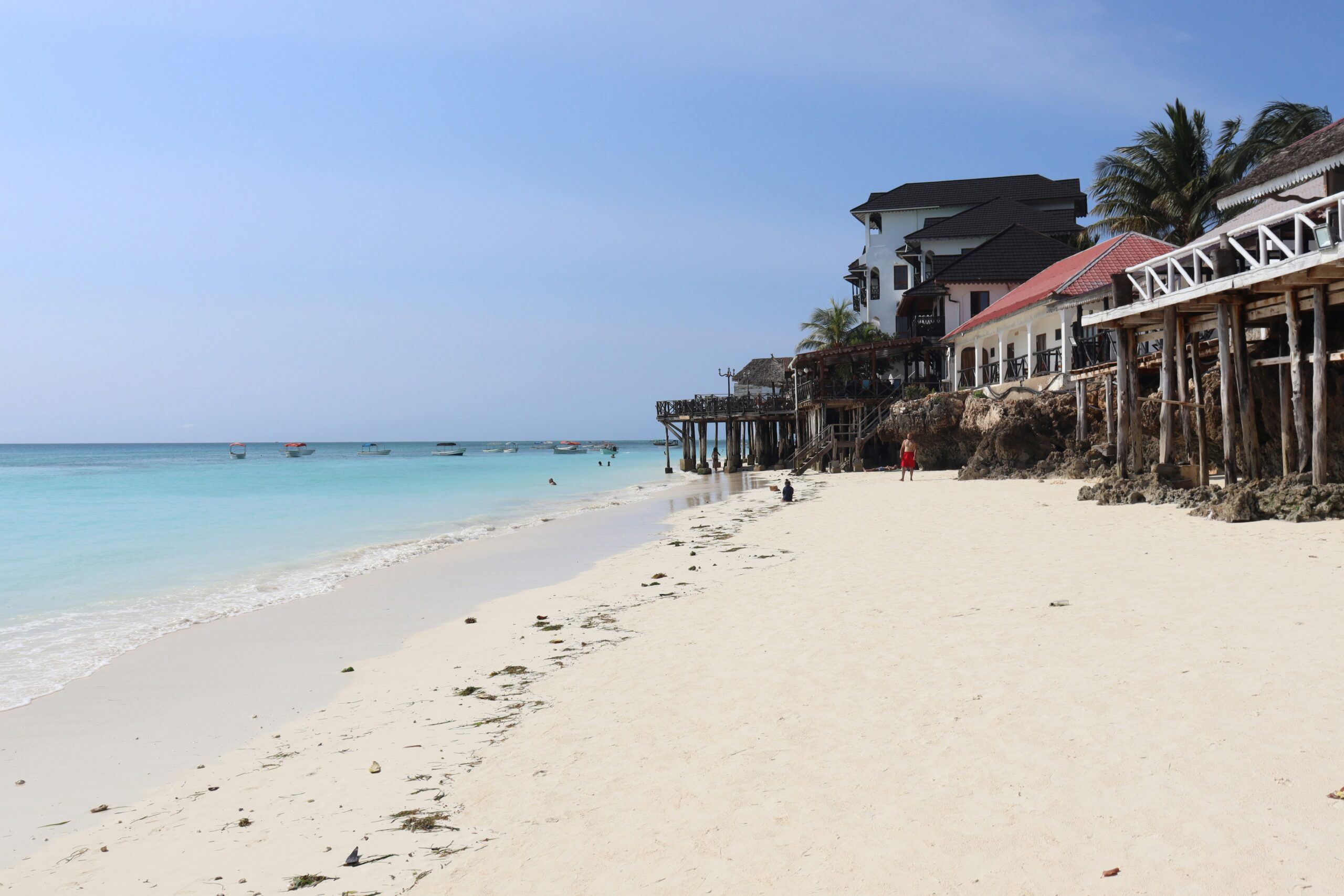
Nungwi is one of the easiest places to swim on the island, which explains its lasting popularity. The north coast experiences very little tidal change, so the ocean stays close to shore most of the day. We noticed this quickly during our first walk along the sand. Boats floated near the beach while swimmers moved freely without watching the tide clock. That reliability makes Nungwi one of the most convenient Zanzibar beaches for visitors who want steady water conditions.
The shoreline also carries a lively but natural rhythm. Small cafés and dive shops sit beside local homes and fishing boats. In the evening, fishermen sort nets while travelers gather along the sand to watch the sunset.
Nungwi is known across the island as the main dhow-building village. Local craftsmen shape wooden planks by hand and slowly assemble traditional sailing boats. We once paused to watch a finished dhow pushed gently into the water at sunrise. Moments like that give this Zanzibar beach a deeper cultural layer beyond the scenery. If you’re planning a stay, our guide to Nungwi Beach covers everything you need before you arrive.
- Location: Northern tip of Unguja Island.
- How to Reach: About one hour drive from Stone Town.
- Activities: Swimming, snorkeling trips, sunset dhow cruises.
2. Kendwa Beach
Kendwa is the Zanzibar beach travelers choose when they want calm swimming and the island’s best sunsets. Many visitors arrive from nearby Nungwi expecting a quick stop. Then something changes. The beach feels wider, the water stays deep through most tides, and the crowd spreads out across the sand. We remember walking here late in the afternoon and noticing how quiet the shoreline felt compared with Nungwi. No rush, no noise, just swimmers drifting in warm water while wooden boats floated offshore.
Then evening slowly shifts the mood. Kendwa faces west, so the sun drops straight into the Indian Ocean each night. The sky turns orange, then soft pink, while people gather along the shore with drinks in hand. Later the music begins. Kendwa Rocks hosts the island’s well known full moon party, and the beach turns lively after dark. That contrast surprises many travelers. Calm afternoons, social nights, and reliable swimming conditions all live on the same stretch of sand.
Practical Notes for Visiting Kendwa
- Location: Northwest coast of Unguja, a short walk south of Nungwi.
- How to Reach: About one hour drive from Stone Town by taxi.
- Activities: Sunset watching, swimming, beach bars, and monthly full moon parties.
- Tip: Check the Kendwa Rocks event calendar for upcoming party dates.
3. Matemwe Beach
Matemwe works best for travelers who want quiet shoreline and long walks without resort crowds. The beach stretches for miles along the northeast coast, yet surprisingly few visitors arrive. We felt the calm almost right away. Soft waves moved toward the sand while a few fishing boats rested offshore. Nothing rushed the moment. Some parts of the coast rise into low coral edges, which feels unusual for Zanzibar. Standing there, we could see an empty shoreline in both directions. Travelers who enjoy peaceful mornings often appreciate this quiet space.
Another reason people stay in Matemwe is its location near Mnemba Island. This protected marine reserve holds some of East Africa’s best snorkeling and diving spots. Boats leave early while the sea stays calm and visibility remains clear. Beneath the surface you often see bright reef fish moving across coral gardens. Green turtles appear frequently, and whale sharks sometimes pass through during certain months. Divers who enjoy remote spots also tend to explore Pemba Island, which sits just north of the main island.
- Tide Note: Ocean pulls far back during low tide.
- Nearest Town: Matemwe village sits along the coast.
- Accommodation: Guesthouses and small boutique lodges line the beach.
- Best For: Divers, couples, and travelers seeking quiet shoreline.
4. Paje Beach
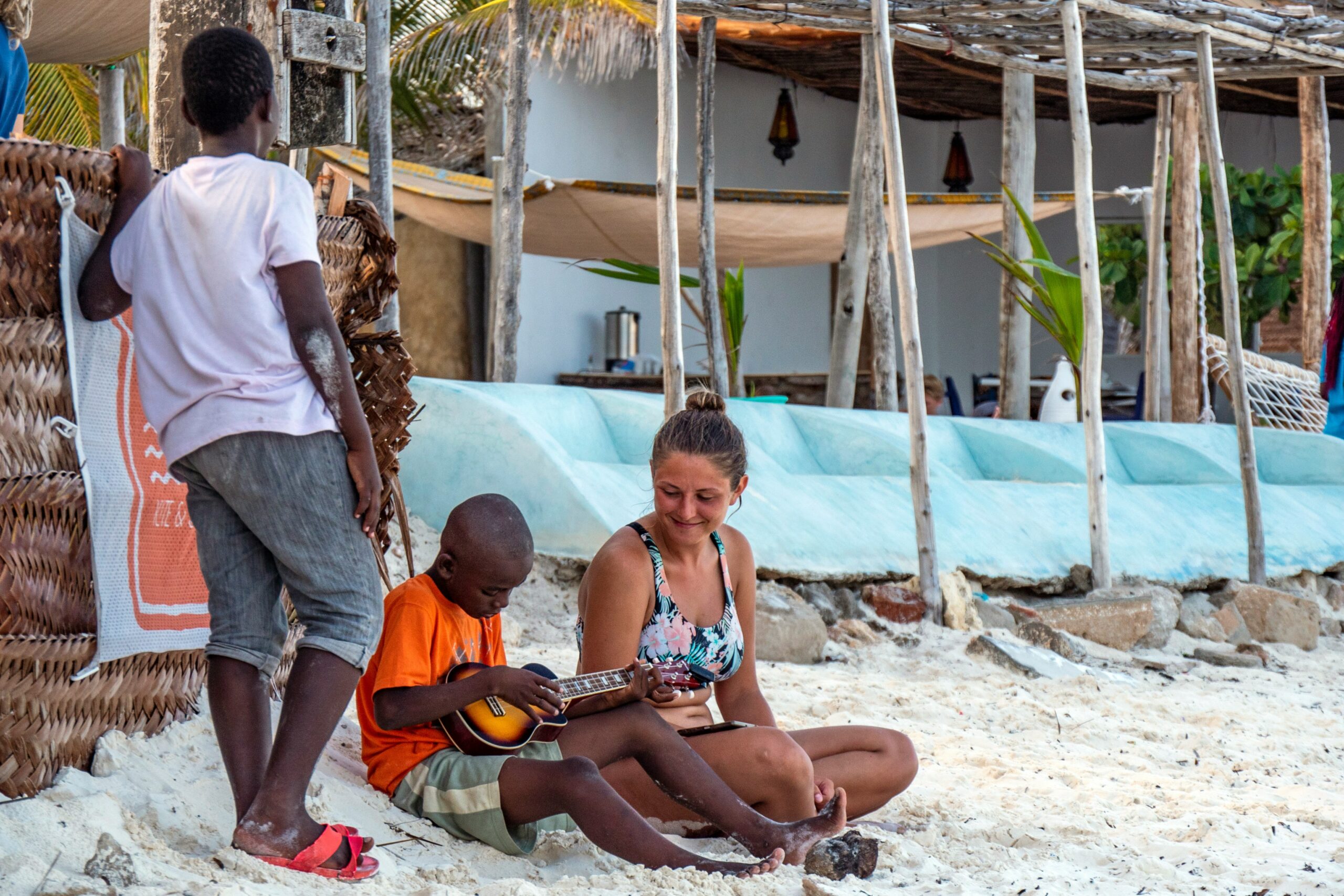
Paje is the Zanzibar beach travelers choose when they want wind, water sports, and social energy. The steady breeze on this coast turns the lagoon into a playground for kitesurfers. We noticed the difference the moment we reached the sand. Colorful kites filled the sky while riders skimmed across shallow water near the reef. The village feels young and relaxed compared with resort areas farther north. Solo travelers gather in beach cafés, swapping stories over grilled fish and fresh juice. Budget guesthouses sit beside surf schools and dive shops. If you prefer lively beaches with conversation and movement, our full Paje Beach Zanzibar guide explains the best places to stay, eat, and learn to kite.
Tides shape the rhythm of this coast, so knowing them helps you enjoy the beach more. When the tide moves out, the ocean pulls far across the flats. At first that surprises many visitors. Then the wide tidal shelf becomes interesting to explore. We once walked across warm sand flats while local women checked seaweed farms nearby. Later the tide returned quickly, filling the lagoon again with calm water.
- Location: East coast of Unguja near Paje village
- How to Reach: About 1 hour drive from Stone Town
- Activities: Kitesurfing lessons, lagoon swimming, beach cafés
- Best Wind Season: June to October for consistent kitesurf conditions
5. Pongwe Beach
Pongwe is the beach travelers choose when they want clear water and real quiet in Zanzibar. The bay curves inward like a natural bowl, which quietly shapes the shoreline conditions. Seaweed that washes onto many east coast beaches rarely collects here. Ocean currents carry most of it away before it reaches the sand. We noticed the difference while standing on the small wooden pier that stretches into the lagoon. The water stayed calm and unusually clear while small fishing boats floated nearby. Pongwe also feels smaller than most beaches on the island. Palm trees lean over the sand while the coastline remains peaceful through most of the day. That intimate setting makes the beach feel almost hidden.
Pongwe works best for travelers who value privacy more than nightlife or busy beach scenes. Only a small group of lodges sits along the shoreline. Each faces the ocean and keeps the atmosphere relaxed. We spent one evening sitting near the water while the sun dropped behind the palms. The beach stayed quiet except for the sound of waves. Couples often enjoy that calm setting — and those planning a romantic trip may also want to explore our Zanzibar honeymoon guide for the best stays and experiences across the island. Travelers who want bars and music nearby may feel bored here. But if your idea of a good evening includes quiet water and slow conversation, Pongwe fits perfectly.
- Location: Northeast coast of Unguja near Pongwe village
- How to Reach: About 1 hour drive from Stone Town
- Activities: Swimming, quiet beach walks, and day trips to The Rock Restaurant
6. Jambiani Beach
Jambiani is the beach travelers choose when they want to see real island life beside the ocean. The shoreline feels less like a resort strip and more like a working village. We noticed this the moment we stepped onto the sand. Fishing nets rested near small wooden boats while children splashed in the shallows. Later in the afternoon men returned with the day’s catch and began sorting fish near the beach. Visitors quickly realize something important here. You are walking through someone’s daily routine, not just another tourist shoreline. That quiet reminder changes how the beach feels.
Low tide reveals another part of life along this coast. Long rows of wooden stakes appear across the shallow water. Local women walk slowly between them while tending seaweed farms anchored beneath the surface. We once stood nearby and watched the work unfold with patience and care. Seaweed farming supports many families in the region. The harvest later becomes food products, cosmetics, and export goods sold across the world.
- Location: Southeast coast near the village of Jambiani
- How to Reach: About one hour drive from Stone Town
- Tip: Wear modest clothing when walking through the village
- Best Time to Walk: Early morning or sunset when tides reveal wide sand flats
7. Bwejuu Beach
Bwejuu is the beach travelers choose when they want quiet sand and almost no crowds. The shoreline sits between Paje and Jambiani, yet many visitors never stop here. We realized how calm the area felt during our first walk along the beach. The sand stretched far in both directions while only a few fishermen moved near the water. Palm trees leaned over the coast and small guesthouses hid behind them. Nothing felt rushed. That slower pace becomes the main reason many travelers enjoy staying here.
But the location also makes the beach surprisingly practical. Jozani Chwaka Bay National Park sits only a short drive away. We visited the forest one morning and returned to the beach before the afternoon heat arrived. The famous red colobus monkeys live there and often move through the treetops close to the path. Back at the coast the water looked clear again as the tide returned. High tide brings the ocean close to the sand and makes swimming much easier. Moments like that explain why some travelers quietly call Bwejuu their favorite Zanzibar beach.
- Location: Southeast coast between Paje and Jambiani villages
- How to Reach: About 1 hour drive from Stone Town
- Tide Note: Swimming works best during mid to high tide
- Nearby Nature: Jozani Chwaka Bay National Park is about 20 minutes away
8. Kiwengwa Beach
Kiwengwa works best for travelers who want calm water and a comfortable beach stay. The lagoon stays shallow for a long distance, which helps families feel relaxed. Children often play close to the shore without strong waves reaching them. We noticed this during a slow morning walk along the sand. Parents watched from the shade while kids searched for shells in the water. A coral reef sits farther offshore and breaks most of the incoming swell. Because of that barrier, the sea usually feels gentle near the beach.
Convenience also shapes the experience here. Resorts line parts of the shoreline, so activities stay close and easy to arrange. One afternoon we saw guests launch kayaks straight from the sand. Others prepared snorkeling gear while chatting near the water. Small shops nearby sell beachwear, drinks, and basic travel items. Some visitors enjoy that extra comfort after days spent exploring the island. If you want calm swimming and simple services nearby, Kiwengwa often feels like an easy choice.
- Location: Northeast coast near the village of Kiwengwa
- How to Reach: Around one hour drive from Stone Town
- Activities: Kayaking, snorkeling, lagoon swimming, beach volleyball
- Tide Note: Water stays calm though tides still change through the day
9. Mtende Beach
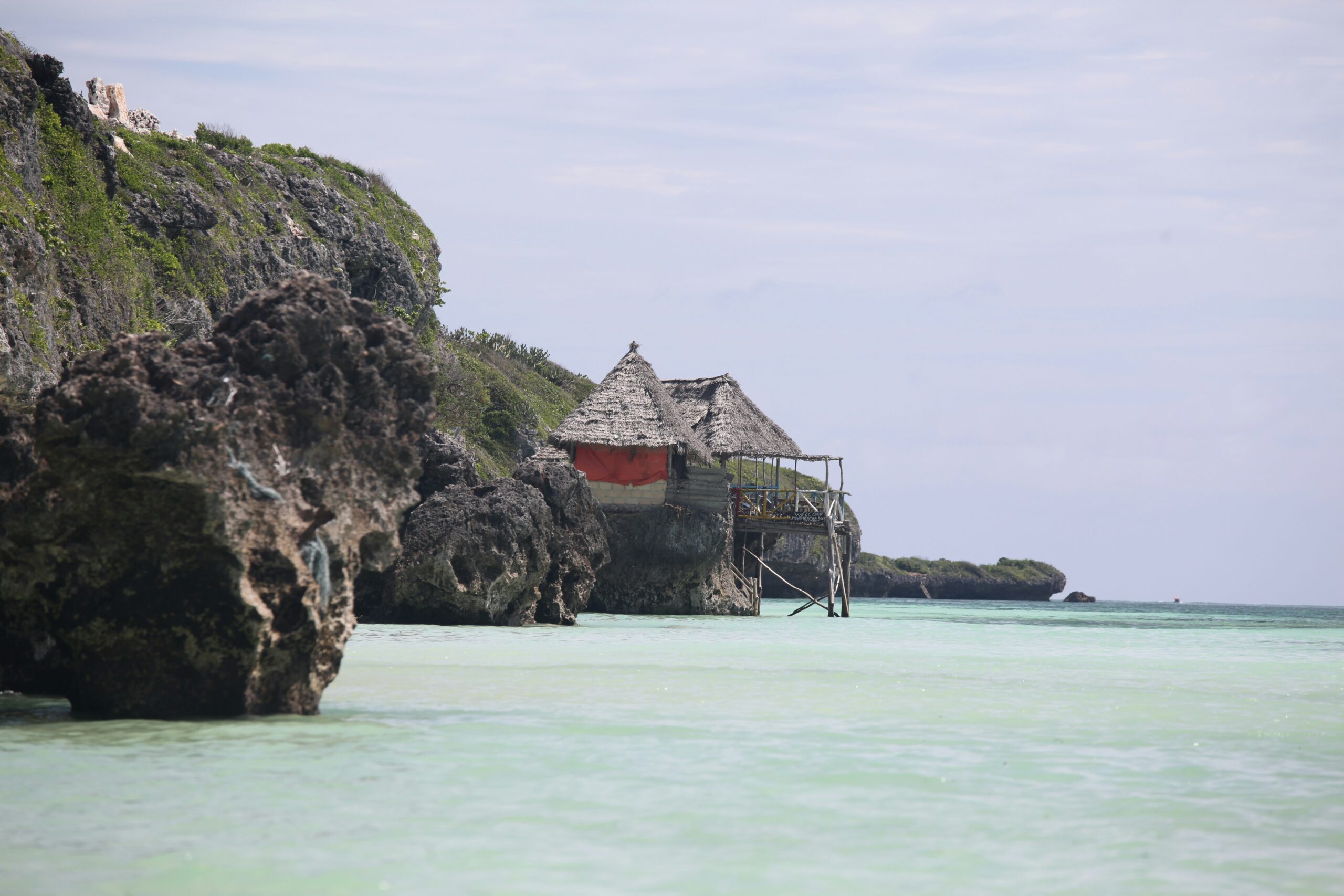
Zanzibar beaches like Mtende exist precisely because most travelers never explore the island’s far south coast. The road becomes quieter as you move deeper into rural villages and small farms. We noticed that shift during the drive toward the shoreline. Traffic faded, palm trees thickened, and the ocean finally appeared between tall cliffs. Mtende feels different from most beaches on the island. Much of Zanzibar stays flat, yet this coastline rises into rocky edges that overlook the sea. Standing there feels almost dramatic.
Then the path drops down toward a hidden stretch of sand below the cliffs. The view surprised us the first time we saw it. Waves roll into a narrow bay while steep walls of rock frame the beach on both sides. Few buildings appear nearby. That sense of isolation makes the place feel wild in the best way. A short drive away sits Maalum Cave, a natural limestone pool where locals often swim. If you want a beach that still feels undiscovered, Mtende rewards travelers willing to venture farther south. Travelers who enjoy off-the-beaten-path coastline often find it useful to browse our roundup of the 25 best things to do in Zanzibar Tanzania in 2026 to plan their full itinerary around the island.
- Location: Southern tip of Unguja near the village of Mtende
- How to Reach: Guided tours or local drivers usually provide the easiest access
- Nearby Experience: Maalum Cave offers a natural swimming pool inside a limestone cave
- Best Time to Visit: Dry season months from June through October usually offer clearer conditions
10. Chumbe Island
Chumbe Island is the place travelers visit when they want the best snorkeling near Zanzibar. Reaching the island requires a short boat ride from Stone Town and advance booking. At first we wondered if the extra effort would really matter. The answer became clear the moment we stepped into the water. Unlike any Zanzibar beach on the main island, Chumbe sits inside a protected coral reef reserve. The reef begins just a short swim from shore and remains carefully protected. Bright fish move through coral gardens while the water stays unusually clear.
The island follows a strong conservation philosophy that shapes the entire experience. Only a few eco bungalows stand among the trees and visitor numbers stay limited each day. Because of that rule, the reef remains healthy and quiet. We spent almost an hour drifting above coral formations while schools of fish passed below. Travelers who love snorkeling usually remember this stop long after leaving the island.
- Booking: Reserve ahead for either a day trip or overnight eco lodge stay
- What to Bring: Snorkel gear is provided, but reef safe sunscreen helps
- Best Time to Visit: Calm seas from June to October offer clearer water
- Good For: Nature lovers and snorkelers, though the trip may be harder with small children
Best Time to Visit Zanzibar Beaches
Choosing the right time matters because Zanzibar beaches change a lot through the year. Weather shapes swimming, snorkeling, and even how the shoreline looks each day. We realized this during our first week on the island. Calm mornings made the water clear and perfect for snorkeling trips. Stronger seasonal winds later in the year brought steady waves that kitesurfers love. Two dry windows usually offer the best travel conditions. June through October brings cooler air and steady sunshine. January and February feel warmer but still stay dry and calm. The longer rains arrive from March through May and often keep travelers away. Short showers return again during November, though some visitors still travel then. Our best time to visit Zanzibar guide breaks down each season with safari tips so you can plan your trip around the right conditions.
Tides also change the beach experience depending on where you stay. The east and south coasts reveal wide sand flats during low tide. We walked far across the shore near Paje and Jambiani while the ocean pulled back. Some travelers enjoy those long tidal walks. Others prefer constant swimming conditions instead. Beaches in Zanzibar Tanzania along the north coast behave differently. Nungwi and Kendwa usually keep deeper water near shore, which helps swimmers.
- June–October: Best overall weather with steady sun and cooler breezes
- July–August: Excellent conditions for diving and snorkeling near Mnemba
- December–January: Hot and calm seas, popular with holiday travelers
- March–May: Long rainy season with heavy showers and fewer visitors
- November: Short rains appear but travel remains possible between showers
FAQs
Is Zanzibar Cheap or Expensive?
Zanzibar can feel affordable if you choose small lodges, local food, and simple transport. We noticed daily costs stayed reasonable outside luxury resorts. Travelers seeking private villas or island lodges may spend much more. Budget trips work well here, though high end options exist for those wanting a premium beach stay.
Which Is the Most Beautiful Beach in Zanzibar?
Many travelers say Nungwi or Kendwa looks the most beautiful because the water stays calm and clear. We enjoyed those beaches for swimming and sunset views. Others prefer quieter shores like Matemwe or Bwejuu. The best beach often depends on whether you want lively resorts or a peaceful coastline.
Is Zanzibar Better Than Maldives?
Zanzibar offers culture, villages, and historic towns alongside beautiful beaches. The Maldives focuses mainly on private resorts and luxury stays. We felt Zanzibar provided more variety during a trip. Travelers seeking cultural experiences often prefer Zanzibar, while those wanting secluded luxury resorts may choose the Maldives.
Are Zanzibar Beaches Good?
Zanzibar beaches are known for clear turquoise water, white sand, and coral reefs. We noticed each coast feels slightly different depending on tides and wind. Some beaches suit swimming while others attract snorkelers or kitesurfers. Overall, the island offers some of the most scenic beaches in East Africa.
Is 7 Days in Zanzibar Enough?
Seven days usually gives travelers enough time to explore beaches and visit Stone Town. We spent mornings near the ocean and afternoons exploring the places to visit in Stone Town -markets and villages. That balance worked well. A week allows snorkeling, cultural visits, and relaxed beach time without rushing through the island experience.
You can also check our Zanzibar holiday packages before finalizing your travel plans. Whether you’re looking for a honeymoon, family holiday, or relaxing beach escape, Zanzibar offers a wide range of experiences.Get in touch on WhatsApp to receive customized travel advice, accommodation recommendations, and current package details.