
Most first-timers get Tanzania wrong before they leave home. Not in the field but at the booking stage. The best safari in Tanzania starts with three decisions: which circuit, which parks, group or private. Most people make at least one of them badly. That costs money. Sometimes it costs the whole trip.
The biggest errors are not dramatic. Nobody flies to Serengeti and hates it. The mistakes are quieter. Showing up in April when half the southern camps are closed. Booking a group tour when you wanted your own pace. Spending six days on rough roads when two short flights would have saved twelve hours. This guide is about avoiding all of that.
Eight sections and one question each. By the end: which parks, when to go, what it costs, what most people get wrong.
You can also explore our Masai Mara safari packages if you’re planning to combine Tanzania safaris with Kenya’s iconic wildlife destinations. Many travelers pair Serengeti and Maasai Mara for a complete Great Migration experience. Reach out on WhatsApp to get personalized safari routes, lodge options, and updated pricing before you book.
Northern Circuit or Southern Circuit: The Decision That Shapes Everything
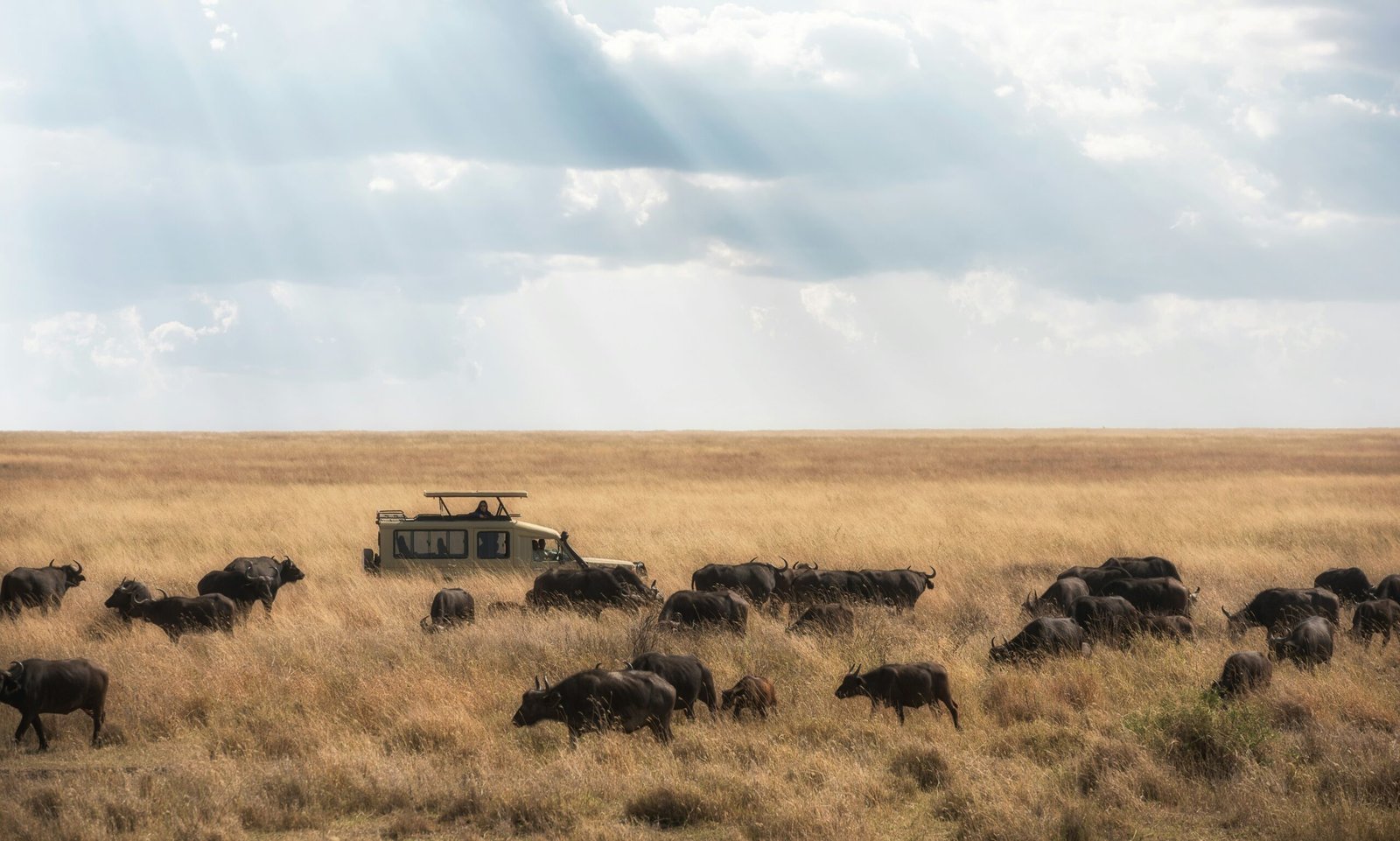
The northern circuit is not better. It is easier. For a first trip, that matters.
For first-timers, start with the Northern Circuit: Serengeti, Ngorongoro, Tarangire. The Southern Circuit delivers more privacy and better value, but requires more complex logistics. That single difference changes the entire plan.
Understanding tanzania safari locations as circuits, not as standalone parks, is the fastest way to plan. The north runs out of one airport. Kilimanjaro International Airport sits a few hours from Arusha. That city is the hub for northern circuit camps and lodges. You land, you drive, you are in Tarangire by afternoon. No connecting flight needed. No domestic carrier to book six months out. The parks sit close enough that an overland vehicle handles transfers well. Wildlife density is high. Camps are well developed. Guides are experienced. For someone doing this the first time, these things matter a lot.
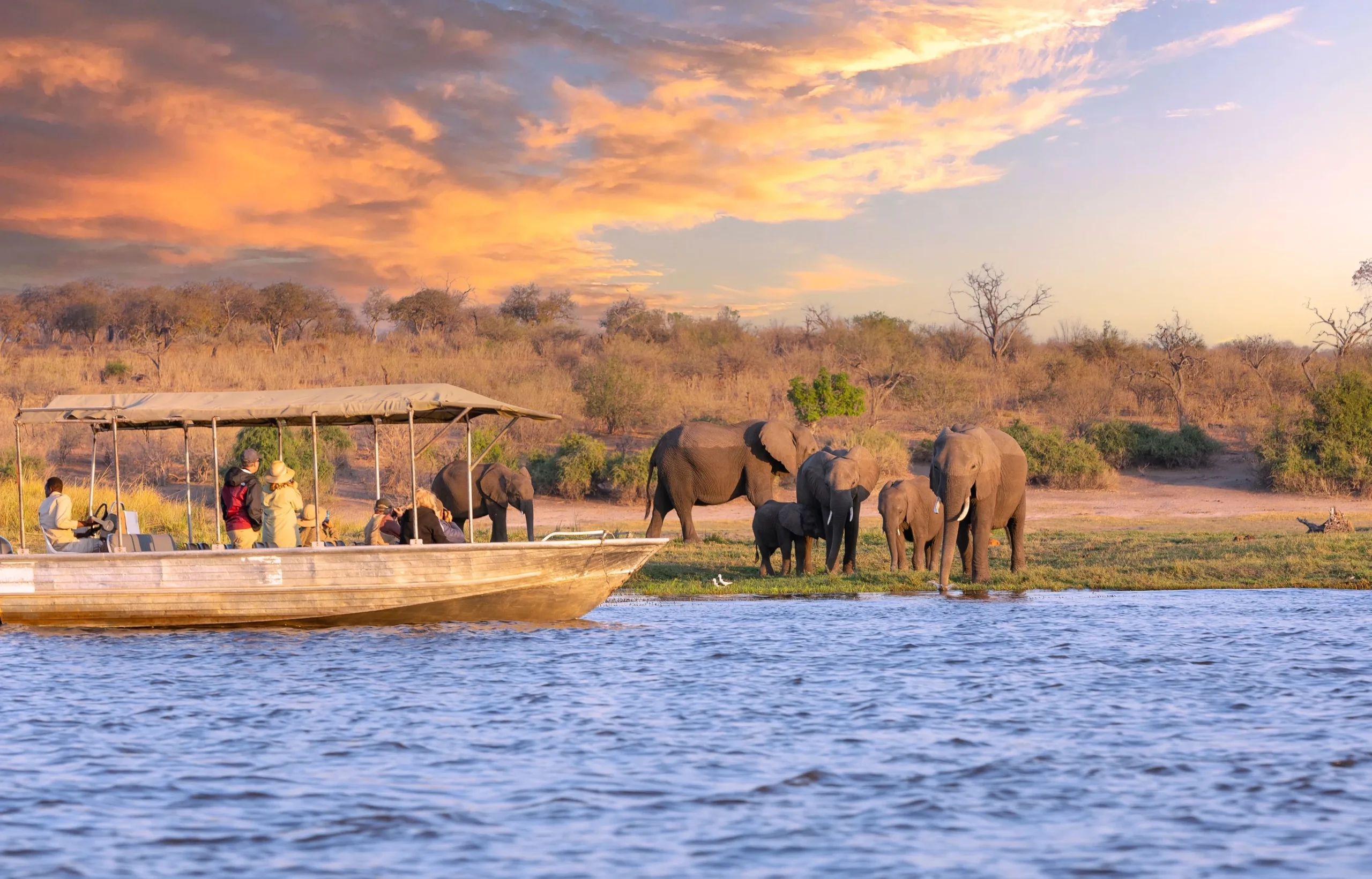
The southern circuit is different. Nyerere National Park and Ruaha are vast. Fewer vehicles at sightings. Walking safaris are allowed in most camps. Boat trips on the Rufiji River at Nyerere are something the north cannot match. The bush feels older. Less managed. For people who want no other vehicles in sight at a lion kill, the south delivers. But it requires flying into Dar es Salaam, then taking a light aircraft between areas. That adds both cost and planning time. Two more bookings. One more connection. For a first trip, that is worth knowing.
| Northern Circuit | Southern Circuit | |
| What you get | High wildlife density, developed camps, smooth overland transfers | Remote bush, no crowds, walking and boat safaris |
| Who it suits | First-timers, anyone with one week, families | Repeat visitors, those who want fewer people |
| Gateway airport | Kilimanjaro International (JRO) | Dar es Salaam (DAR) + light aircraft |
For a first trip, the north. For a second trip when you know you want fewer people, the south.
How to Find the Best Safari in Tanzania for Your Trip Style
Not every first-timer wants the same Tanzania safari. The park you pick should match what you actually want to see. That sounds obvious. Nobody plans it that way.
The best safaris in tanzania combine at least two parks with different personalities. Serengeti is scale. It is open sky, flat grass, and the slow spectacle of migration. You go wide. Ngorongoro is focus. The crater walls close in. Lions, elephants, rhinos, flamingoes: all within a morning’s drive. You go deep. These two parks, side by side, give a first-timer the full range of the north. That pairing alone is a strong trip.
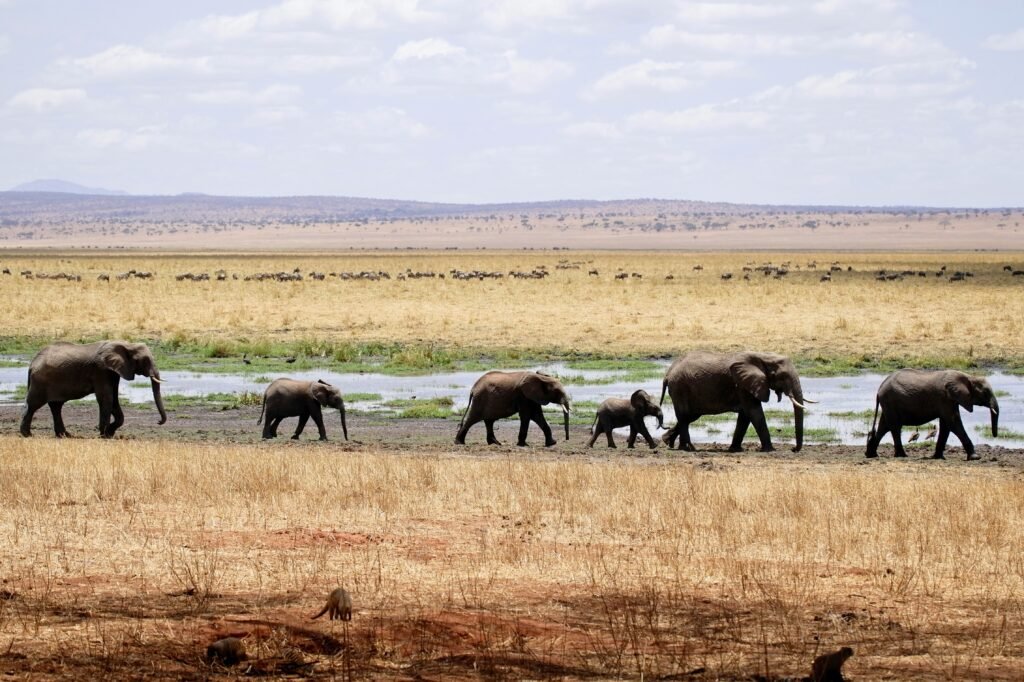
Tarangire belongs on the list. Quieter than Serengeti. Underrated. Most first-timers skip it for an extra Ngorongoro day. That is a mistake. The elephant herds at Tarangire are larger than anywhere else in Tanzania. The baobab trees look nothing like the open Serengeti plains. Two very different days of game drive. Worth the extra night. Lake Manyara has tree-climbing lions and a treetop walkway that no other park in Tanzania has. It works as a half-day stop or a single overnight. Not as a full destination. Know the difference before you book.
Sound like a small distinction? It changes which combination you choose and how many nights you need.
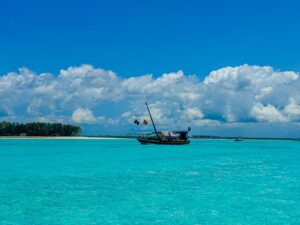
Many first-timers also pair their safari with a beach leg. The guide on Tanzania safari and Zanzibar covers how to structure both halves so neither feels rushed.
The 10 Best Tanzania Safari Locations for First-Timers
Not every location on this list deserves equal time. Know which ones earn a full stay and which ones work as a half-day add-on.
Here are the 10 best Tanzania safari locations for first-timers, organized by priority:
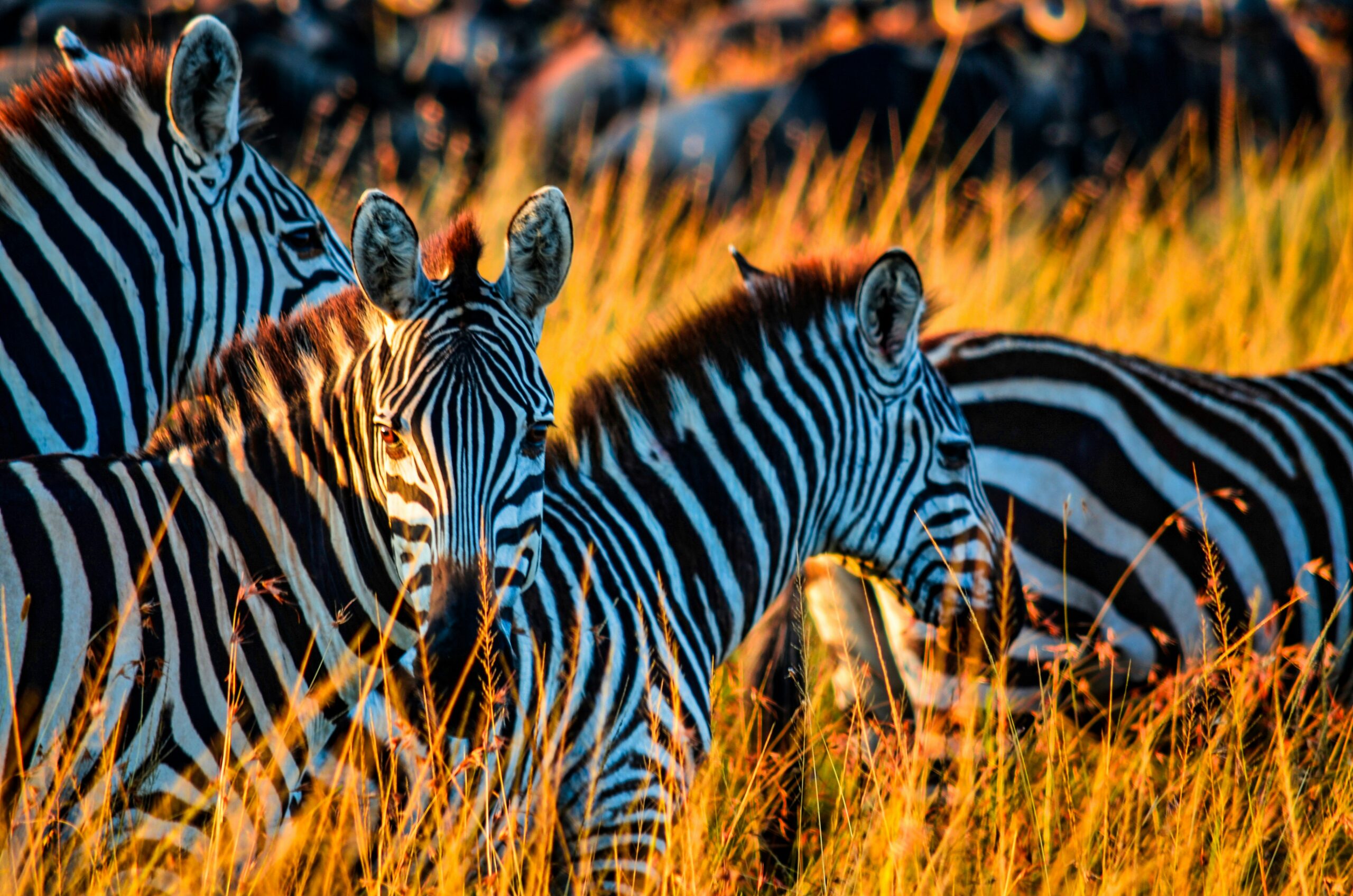
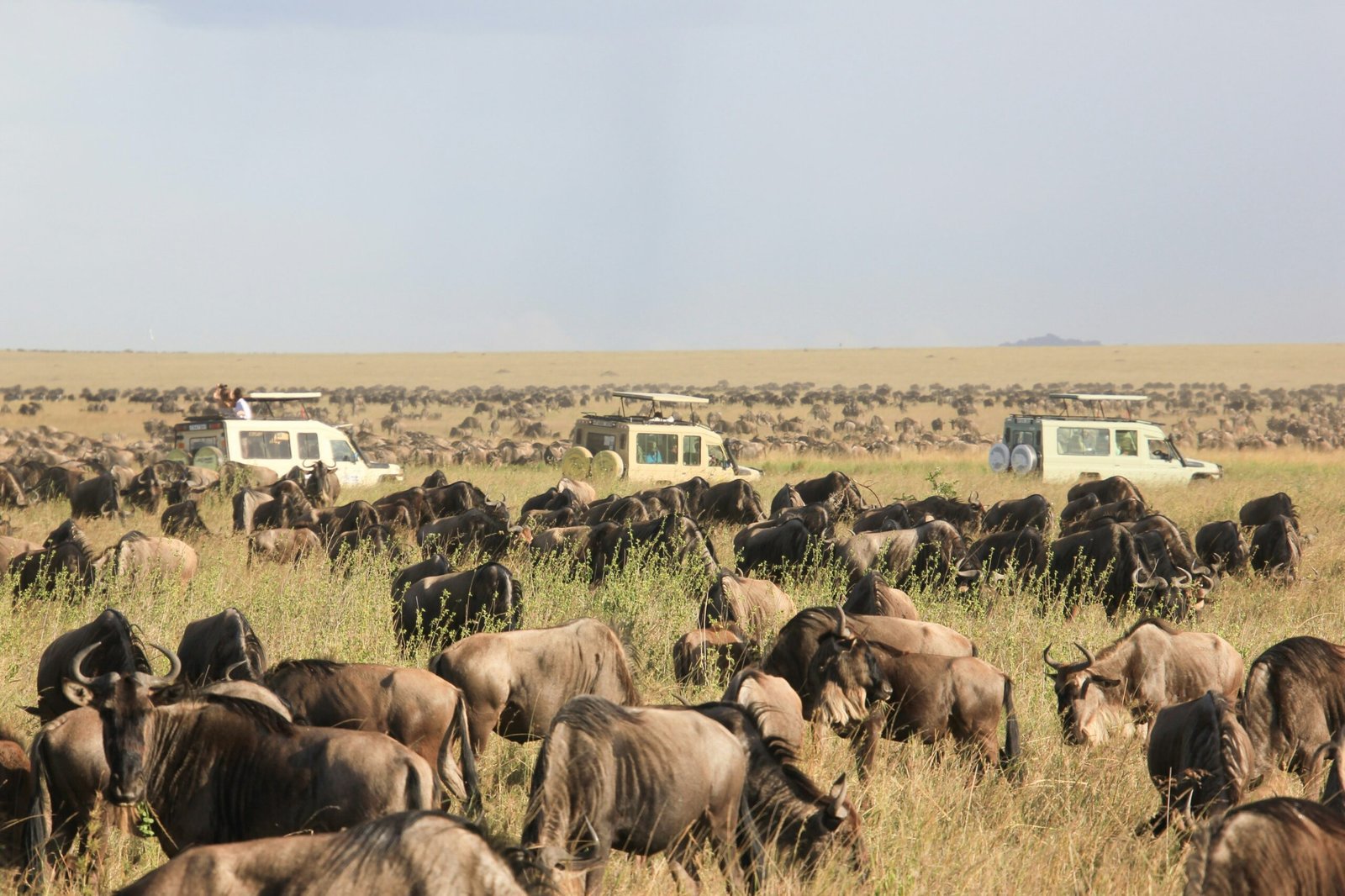
1. Serengeti National Park. The largest park in Tanzania and the one most people picture when they think of African safari. Best for the Great Migration spectacle: river crossings peak July through October, calving season runs January through March. The honest trade-off: it is the most visited park in the north. You will share sightings with other vehicles, especially in peak season.
2. Ngorongoro Crater. A collapsed volcanic caldera, about 12 miles across, holding extraordinary wildlife density. A single full-day descent gives most first-timers more Big Five sightings than anywhere else on the trip. The trade-off: the crater is a bowl with steep walls, and vehicle numbers are managed. Book a crater descend permit in advance. Do not assume it is included in your lodge rate.
3.Tarangire National Park. The elephant herds here are larger than anywhere else in Tanzania. Dry season (June through October) concentrates animals around the Tarangire River. The baobab landscape is striking and unlike anything in Serengeti. Trade-off: fewer lodges, so options are more limited if you book late.
4. Lake Manyara National Park. Tree-climbing lions and a covered treetop walkway no other Tanzanian park has. A strong half-day or single overnight between Arusha and Ngorongoro. Trade-off: small area means you can see it well in four to five hours. Do not give it two full days.
5. Arusha National Park. A good day-trip option from Arusha city. Walking safaris are allowed here, which the Serengeti does not permit. Decent giraffes and buffalo. Trade-off: it lacks the mega-fauna density of the other northern parks. Skip if time is tight, keep it if you have a spare day before a flight.
6. Nyerere National Park (formerly Selous). Africa’s largest game reserve at about 50,000 square kilometers. Boat safaris on the Rufiji River are the highlight. Walking safaris are allowed. Far fewer vehicles than any northern circuit park. Trade-off: it requires flying into Dar es Salaam and then a light aircraft to the park. Not a first-trip park for most people. A strong second-trip choice.
7. Ruaha National Park. Remote, quiet, and genuinely wild. The camps are small. You may go a full morning without seeing another vehicle. Trade-off: same logistics issue as Nyerere. Flights add cost. Save this for a return trip.
8. Mahale Mountains National Park. Chimp tracking on the shores of Lake Tanganyika. No roads into this park. Boat only. The experience of sitting with habituated chimps in a mountain forest is unlike anything on the northern circuit. Trade-off: serious logistics, long transfer time, higher cost. Third-trip territory for most.
9. Gombe Stream National Park. The site of Jane Goodall’s chimpanzee research. Small park, chimp tracking only, remote location. For first-timers who specifically want to follow Goodall’s work, it is worth the trip. For everyone else, Mahale is easier to reach and offers a bigger forest.
10. Katavi National Park. Remote enough that most operators fly clients in. Hippo pools in dry season hold some of the densest hippo concentrations in Africa. Almost no visitors. If feeling genuinely alone in the African bush is the goal, this is the place. Trade-off: it takes a full day to reach from Arusha. Not a first-trip park.
If you want to go beyond the safari parks and explore what the country offers on the ground, the guide to things to do in Tanzania covers cultural experiences, coastal stops, and activities that sit well alongside any northern or southern circuit.
Group Tour or Private Safari: The Most Important Call You’ll Make
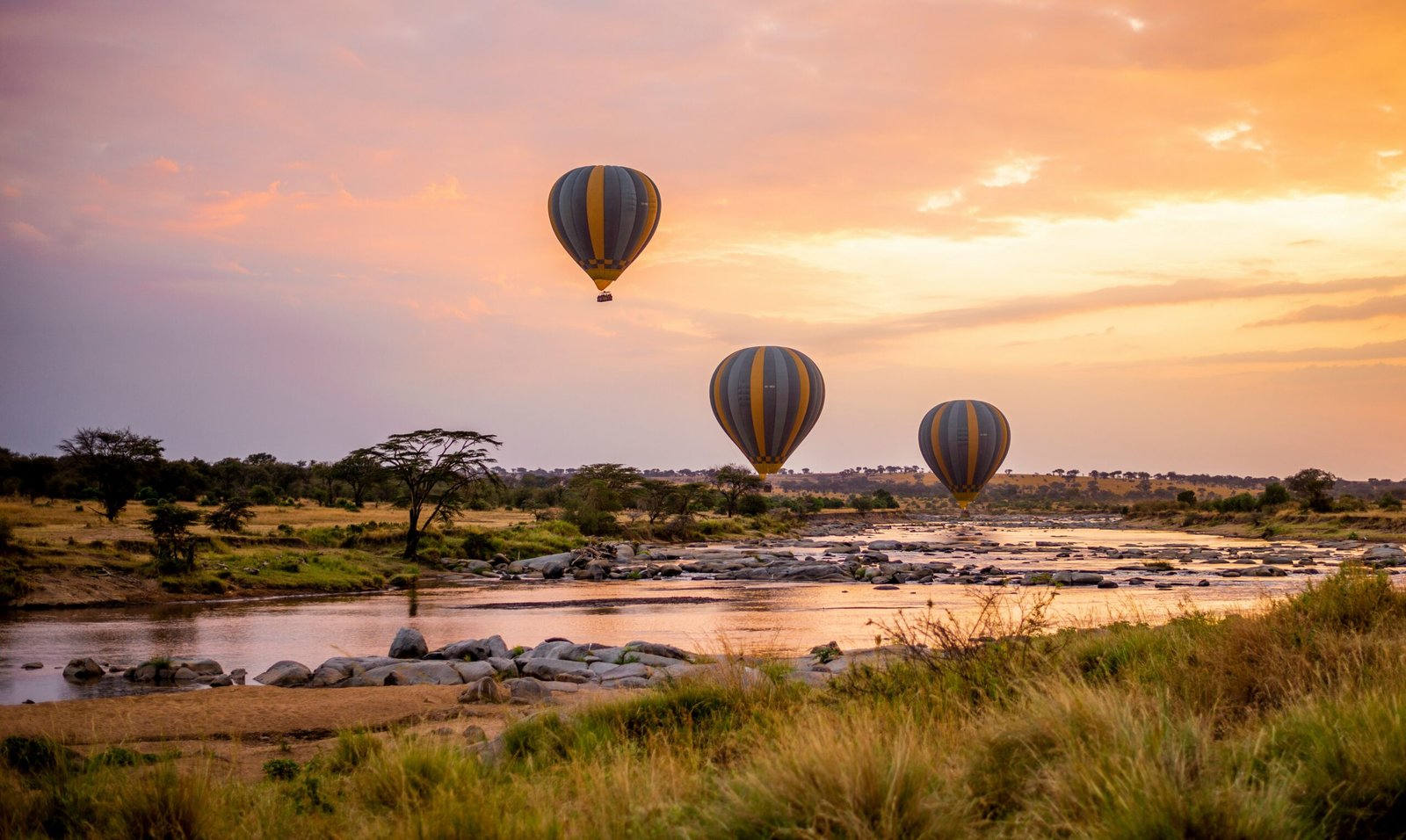
For most first-timers, private is worth the extra cost. Here is why.
The biggest decision on any tanzania safari is not which park to visit. It is whether you go on a group tour or hire a private vehicle. Group tours bring the cost down sharply. A shared vehicle runs about $150 to $200 per person per day. That depends on the operator and the season. Verify current rates before booking; these are 2026 estimates. A private vehicle with a dedicated guide runs about $400 to $600 per person per day. That gap is real money.
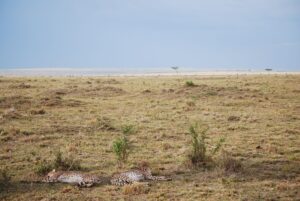
But the trade-off is real. On a group tour, you leave when the driver decides. You stop when the group votes. Your tent may be shared. If nine of the twelve people want to leave the cheetah sighting for lunch, you leave. No vote. Just gone. On a private safari, your guide knows your name by day two. They take you back to the lion pride at noon for a second look. No one asks permission. Breakfast runs on your schedule. Not the group’s.
Worth the extra $200 per day? For most first-timers who have saved up for this trip, yes. The decision is not about money alone. It is about control. How much do your days matter to you? People who have done both almost always say the private trip felt like a different country.
Couples planning this as a honeymoon trip should also check the Tanzania honeymoon safari guide — it covers the private camp options and romantic add-ons that make the most difference for two people traveling together.
5 Costly Mistakes First-Timers Make on a Tanzania Safari
Most first-timer mistakes happen at the booking stage, not in the field. These are the 5 mistakes that cost first-timers the most.
- Booking for the wrong season. The Great Migration river crossings peak July through October. Calving season in the southern Serengeti runs January through March. These are different trips. Know which one you want before you book flights. Showing up in November hoping for river crossings means missing them by a month.
- Underbudgeting by forgetting park fees. Lodge rates do not include park entry fees. Crater descent fees, Serengeti entry, conservation area levies: add $100 to $200 per person per day. Not included in your lodge rate. First-timers who budget only for the lodge rate get a surprise invoice at checkout.
- Trying to visit too many parks in too few days. The drive from Arusha to Serengeti takes about eight hours. Every hour on the road is an hour not on a game drive. Four parks in seven days sounds complete. It means four hours of driving per day. Three parks done well is a better trip.
- Booking a group tour without knowing the trade-offs. Most people who book group tours do not know what they are giving up until day two.
- Skipping internal flights and driving overnight between parks. Roads in northern Tanzania range from smooth to rough. Animals are not visible after dark. A night drive between Serengeti and Ngorongoro wastes the whole evening. You arrive at the next camp tired. The flight between those parks is short, the view is good, and you land with a full afternoon. The road is cheaper. The flight is worth it.
Best Time to Visit Tanzania for a First-Timer Safari
Plan for June through October. Everything else is a trade-off worth knowing.
The timing of safaris in tanzania matters more than most first-timers realize. June through October is the dry season. Animals cluster around water sources. Grass is short. Spotting is easier. The Great Migration river crossings in the Serengeti peak from July through October. For most first-timers with a fixed two-week window, June through October is the right answer.
January through March is different, not worse. Calving season in the southern Serengeti runs through those months. Hundreds of thousands of wildebeest give birth in a short window. Predator activity is high. Tourist numbers drop. Prices follow. For first-timers who travel December through February, this is not a consolation prize. It is a strong option on its own terms. The best time for a first-timer to visit is June through October. January through March (calving season) is a strong alternative for those who can’t travel in peak season.
Avoid April and May. The long rains hit Tanzania hard. Many southern circuit camps close entirely. Northern parks stay open, but tracks turn to mud and drives slow down. Sound like a minor inconvenience? Camps that close do not refund deposits. For 2026 travel, the June through August window fills fast. Top private camps with fewer than ten tents book six to nine months out.
For a full breakdown of how conditions shift month by month across both circuits, the best time to visit Tanzania guide covers the detail that general safari guides leave out.
What a Tanzania Safari Costs (2026 Estimates)
Tanzania is not cheap. Few destinations charge this much and deliver this much. Both are true.
A mid-range safari in tanzania runs higher than most first-timers expect. The sticker shock hits when they realize park fees come on top of lodge costs, not inside them. Park fees stack up fast. Ngorongoro crater descent, Serengeti daily entry, conservation levies: add roughly $100 to $200 per person per day. On top of the lodge rate. That changes the math fast. International flights to Tanzania typically route through a hub: Nairobi, Addis Ababa, Amsterdam, or Doha. Budget varies widely by origin. Pull a live search before you plan.
For a 7-night Northern Circuit trip, the numbers look like this for one person. Budget group-tour option, including flights and in-country costs: roughly $3,500 to $5,000. Mid-range private safari: roughly $6,000 to $9,000. Luxury camps with fewer than twelve tents run $12,000 and up. Full-trip figures. Not nightly rates. Verify current lodge costs and park fees before booking, as these change each year.
In 2026, a 7-night mid-range Northern Circuit trip, including international flights, runs roughly $6,000 to $9,000 per person. That is the number to plan around.
| Safari style | 7 nights, 1 person, incl. flights (2026 est.) |
| Budget (group tour) | $3,500 to $5,000 |
| Mid-range (private vehicle) | $6,000 to $9,000 |
| Luxury (small private camps) | $12,000+ |
All figures are 2026 estimates. Verify before booking.
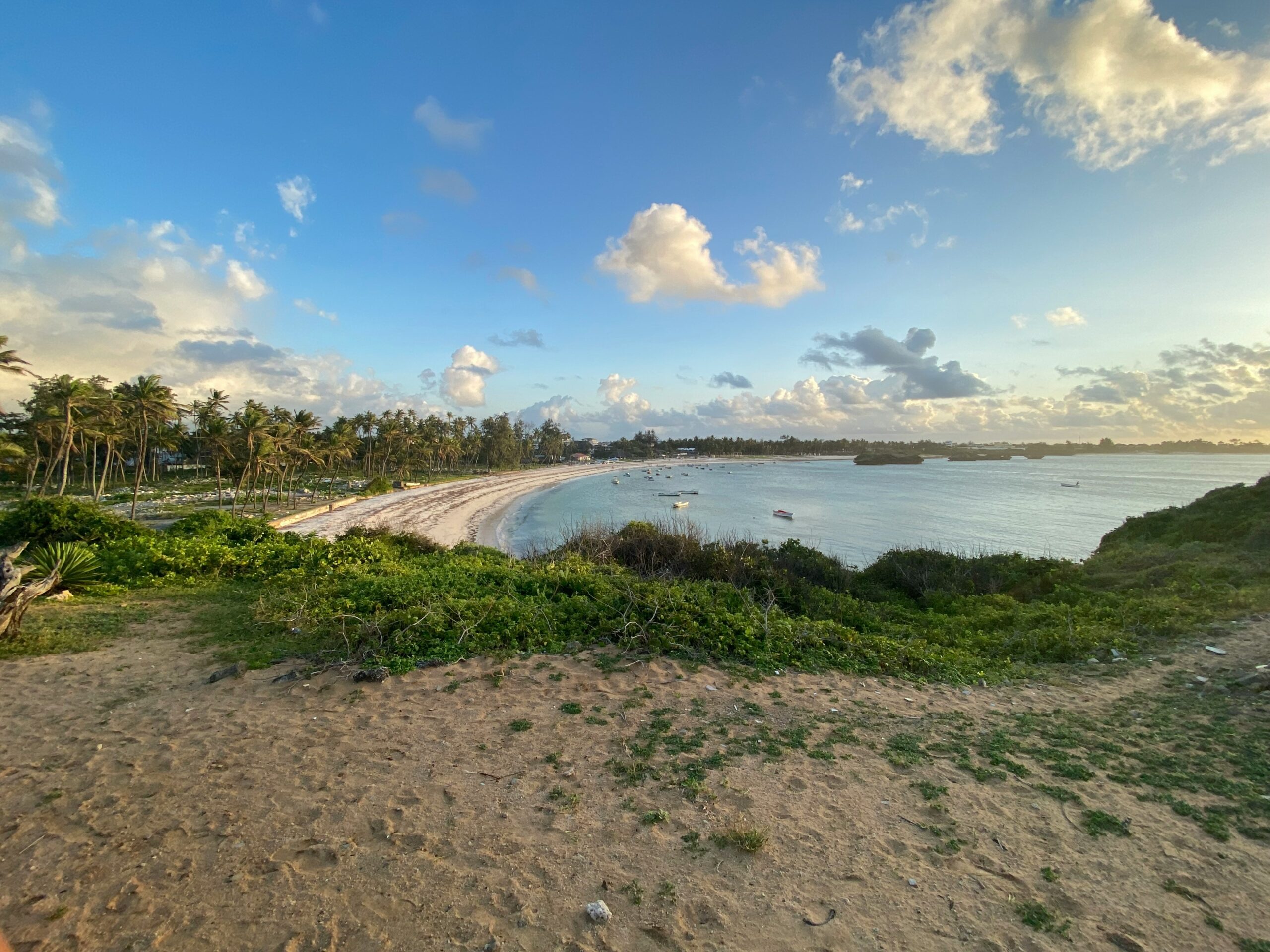
Planning to add a beach leg after the bush? The Tanzania beaches guide covers the best coastal options by mood and budget, which helps when deciding how to finish the trip after the parks.
The Best Safari in Tanzania Starts With One Call
The best safari in Tanzania for a first-timer starts with one decision. North or south. That choice sets the gateway airport, the parks, whether you drive or fly between areas. And how much everything costs. Get it right. The rest follows. Get it wrong and you are redesigning the plan after flights are already booked.
For most first-timers, the answer is clear. Northern Circuit, seven nights, private vehicle, June through October. Serengeti, Ngorongoro, Tarangire. Half-day at Lake Manyara if the timing works. That is the trip. Everything else is detail.
Ready to start planning? Browse Zanzibar tour packages to explore how a beach finish pairs with your safari itinerary — and find options that fit your dates and travel style.
You can also check our Masai Mara and Serengeti safari tours for a full cross-border safari experience. This is one of the most popular itineraries for witnessing the Great Migration across Kenya and Tanzania. Get in touch on WhatsApp to receive customized travel planning, availability, and current package details.