

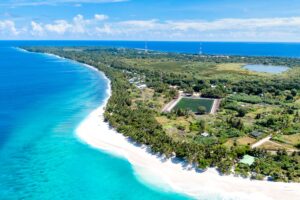
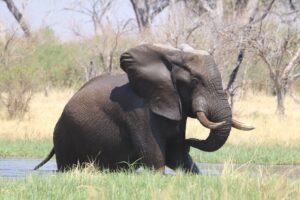
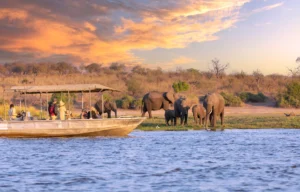
A Tanzania safari and Zanzibar trip gives you two completely different worlds in one journey. You begin in the Serengeti, where the land feels wide, raw, and always moving. Then everything slows, almost suddenly, as Zanzibar’s turquoise coastline comes into view. That shift hits harder than most people expect. One moment you’re tracking wildlife across open plains, the next you’re watching the tide roll in quietly. Twelve days gives you enough time to experience both without rushing the best parts. You settle into the bush first, then ease into slower days by the ocean.
Who is this really for? First-time visitors, couples, honeymooners, even families trying to balance adventure with rest. It works best for travelers who want the Big Five but don’t want to skip the beach. If you plan to visit Tanzania and Zanzibar in one trip, this structure keeps things from feeling rushed or scattered. You move with purpose, but not pressure. This guide walks you through each day, along with costs, booking tips, and the best time to go.
You can also explore our Zanzibar safari packages if you’re planning to focus more on beach relaxation after your Tanzania safari. Zanzibar is one of the most popular extensions after Serengeti and Ngorongoro trips. Reach out on WhatsApp to get personalized safari and beach combinations, hotel options, and updated pricing before you book.
Why 12 Days Is the Sweet Spot for Tanzania and Zanzibar
Twelve days hits a balance that shorter or longer trips usually miss. Cut it down, and you rush the Serengeti without fully realizing it. Stretch it out, and the cost climbs faster than expected. Most strong tanzania zanzibar safari plans follow this timeline for a reason.
- You spend two nights each in Tarangire, Ngorongoro, and Serengeti without rushing between parks
- You experience the Serengeti across central plains and the northern Mara River region
- You get a full day inside Ngorongoro Crater, where wildlife density stays high
- You decompress with four beach days in Zanzibar after an intensive safari stretch
- You include a Stone Town half-day without cutting into wildlife time
- You fly between Serengeti and Zanzibar instead of taking a long road journey
Tanzania Safari and Zanzibar: 12-Day Itinerary at a Glance
| Day | Destination | Highlights |
| Day 1 | Arusha | Arrival, airport transfer, relaxed evening |
| Day 2–3 | Tarangire National Park | Elephant herds, baobab trees, river wildlife concentration |
| Day 4 | Lake Manyara National Park | Tree-climbing lions, flamingos, groundwater forest drives |
| Day 5–6 | Ngorongoro | Crater descent, Big Five sightings, hippo pool picnic |
| Day 7–9 | Serengeti National Park | Big cats, migration routes, open plains and kopjes |
| Day 10 | Zanzibar Transfer | Scenic flight, coastline views, beach arrival |
| Day 11–12 | Zanzibar Beaches | Snorkelling, island trips, coastal relaxation |
| Day 12 | Departure | Airport transfer, onward international flight |
Day 1 — Arrival in Arusha
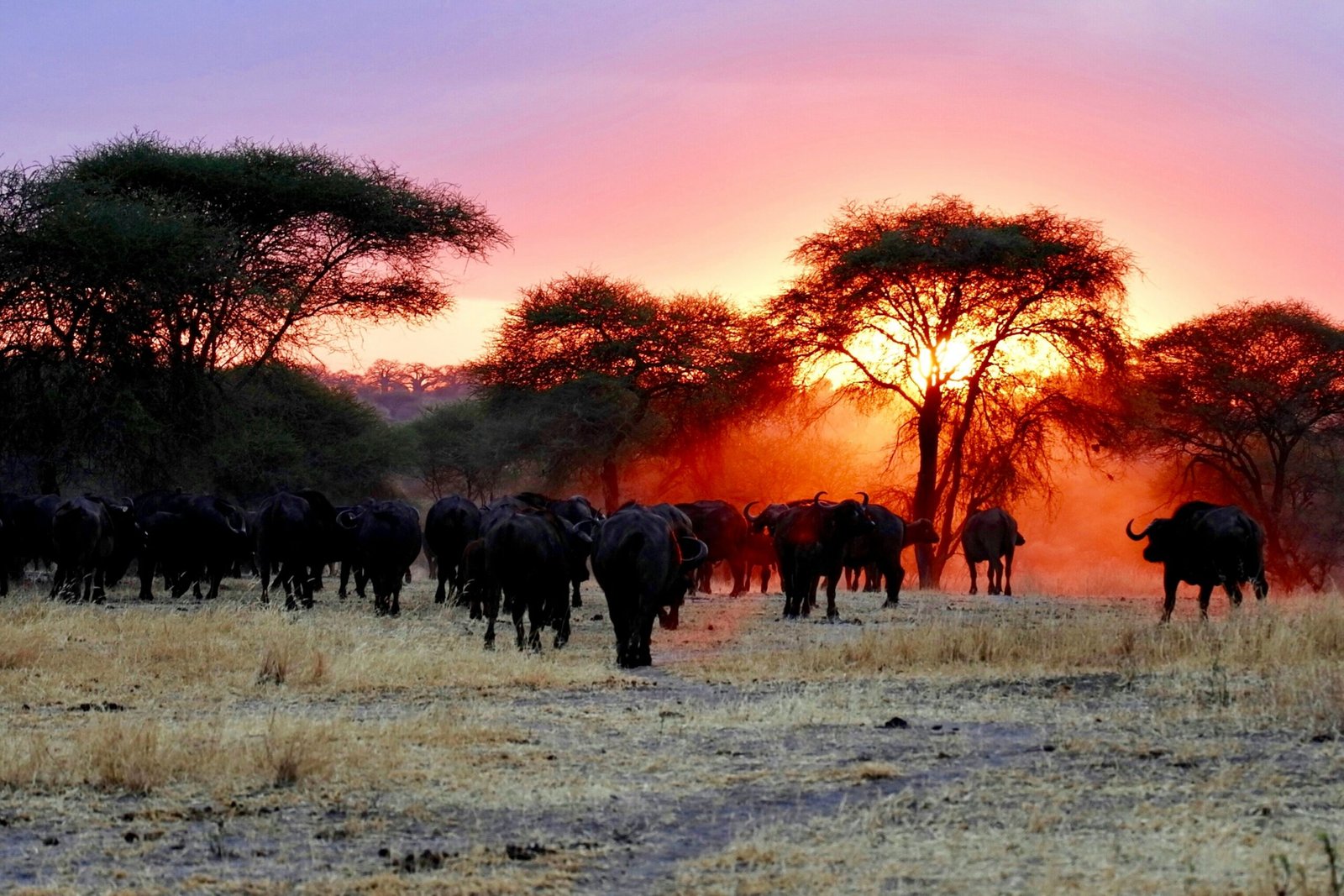
You land at Kilimanjaro International Airport and step into warm, slightly dusty air after the flight. The drive to Arusha takes about 45 minutes, passing roadside shops, open land, and small clusters of homes. It feels busy in parts, but not overwhelming, which helps after a long journey. Arusha works as the safari capital, and you notice that almost immediately. Vehicles come and go, guides talk routes, and everything feels like it is about to begin.
After check-in, most people keep things easy. Maybe a short walk, maybe just dinner and rest. The local market areas stay active into the evening, with small stalls and steady movement. Food stays simple but satisfying. Nyama choma, ugali, maybe a light curry depending on where you stop. It is not about doing much. It is more about settling in before the pace shifts.
Days 2–3: Tarangire
The drive out of Arusha takes two to three hours, and the shift happens gradually. Roads thin out, the landscape opens, and acacia trees start to take over. This is where the tanzania safari begins to feel real. Tarangire does not try too hard to impress, but it does anyway. The river pulls wildlife in, especially during the dry season, and you start noticing movement more often. Elephant herds gather in large numbers, sometimes crossing slowly right in front of you. Baobab trees stand scattered across the land, giving the park a look that feels older than it should.
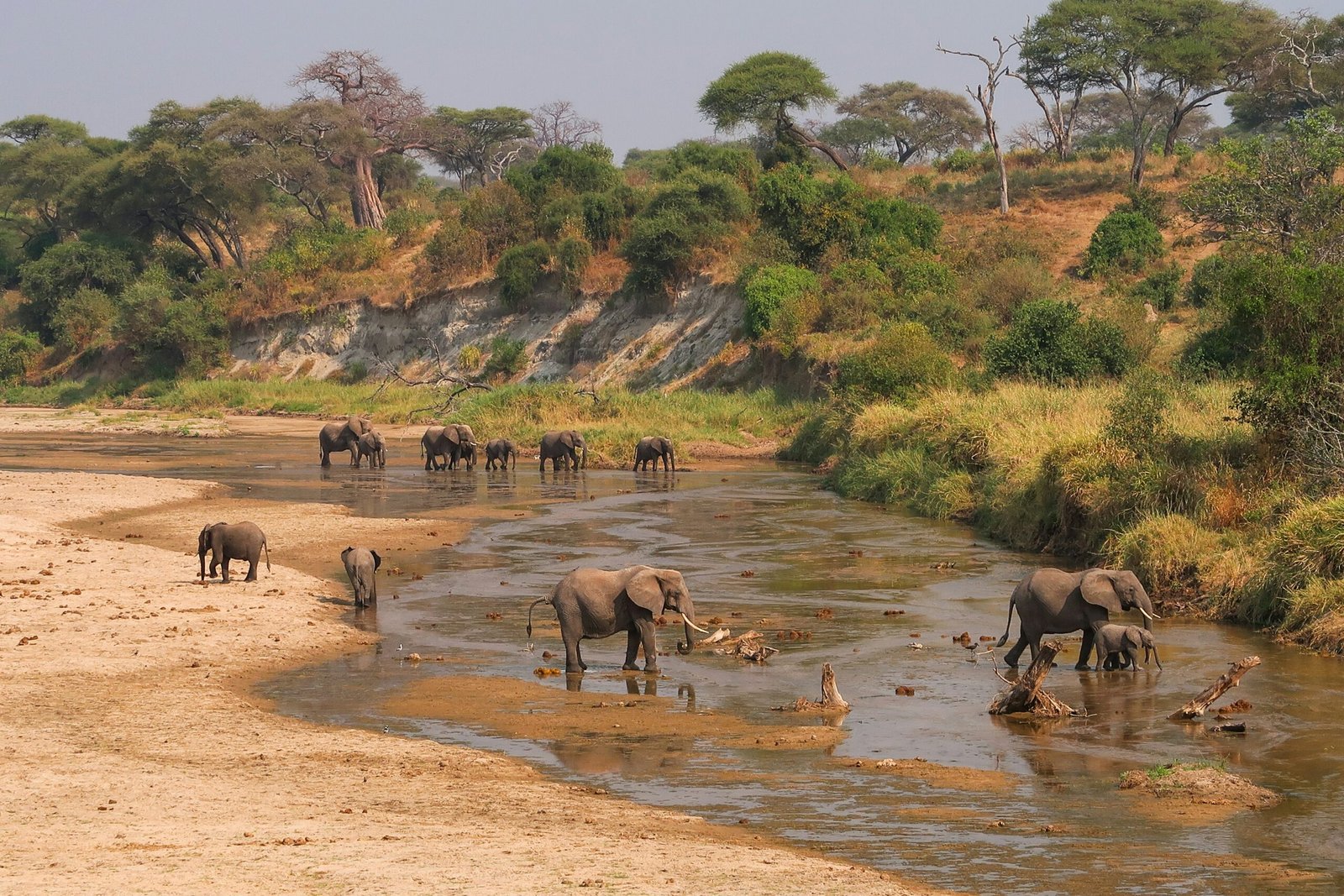
Day three settles into a rhythm that feels easy after a while. Early drives, a pause for lunch, then back out again. You don’t rush sightings here, and that changes the experience more than expected. Animals move in and out without much pattern. Zebra, giraffe, even lesser kudu if you get lucky, all appear when they want. Walking safaris are possible, though not everyone chooses them. By late afternoon, you start heading toward Karatu or the Ngorongoro highlands. The air cools, the pace drops, and the day fades out naturally.
Day 4 — Lake Manyara
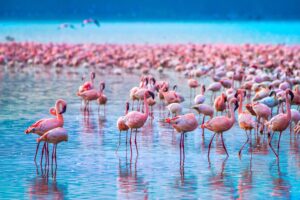
Lake Manyara feels different right away. Smaller, more compact, easier to move through without overthinking it. A half-day game drive usually covers the main sections, and that feels enough. The groundwater forest holds most of the activity, with elephants moving through shaded areas and baboons crossing in groups. The lake draws flamingos, though numbers shift depending on the season. Tree-climbing lions get the most attention here, even if sightings are not guaranteed. That part can go either way.
You don’t stay long, and honestly, that works in its favor. By afternoon, the drive toward Ngorongoro begins, and the landscape slowly rises. It feels less like a stop and more like a transition. Short, but it leaves an impression.
Days 5–6 — Ngorongoro Crater: Africa’s Garden of Eden
Ngorongoro feels different the moment you reach the rim and look down. It takes a second to process the scale. The crater sits wide and enclosed at the same time, which feels unusual at first. It is the world’s largest intact volcanic caldera and a UNESCO World Heritage Site, but that only tells part of it. The descent into the crater floor feels slow, almost controlled. Once you are down, wildlife appears quickly. Lions move through the grass, buffalo gather in groups, and if timing works, even black rhino comes into view. A picnic near the hippo pool breaks the drive, though it never stays quiet for long.
Where you stay changes the feel of this stop more than expected. Karatu offers easier access and a more relaxed setup. Crater rim stays bring early views that feel completely different. That moment at dawn, before the descent, tends to stay with people. On the way toward the Serengeti, you may pass Maasai communities along the road. It adds context without needing much explanation. The place feels contained, but never small.
Days 7–9 — Serengeti National Park: The Greatest Wildlife Show on Earth
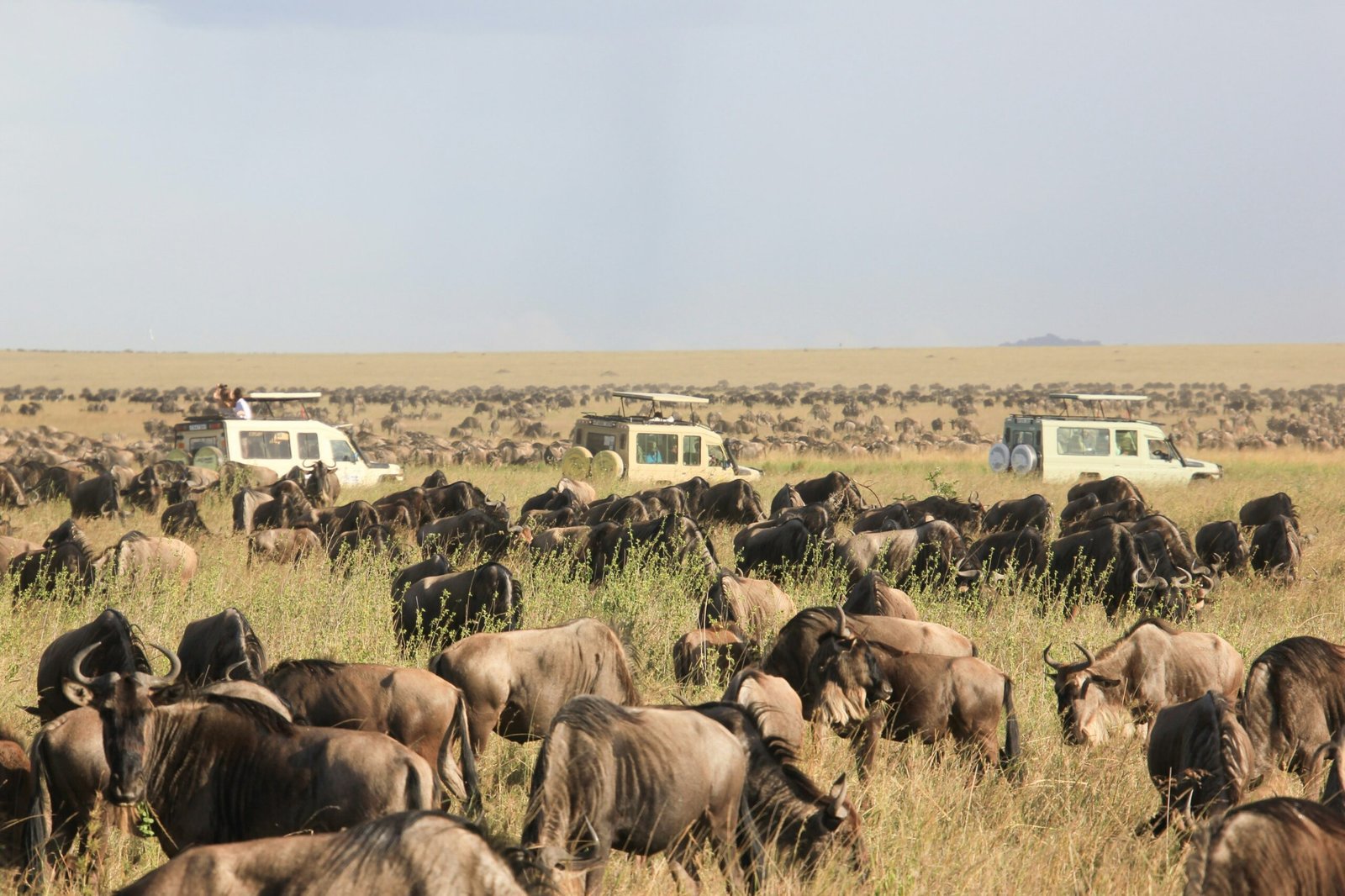
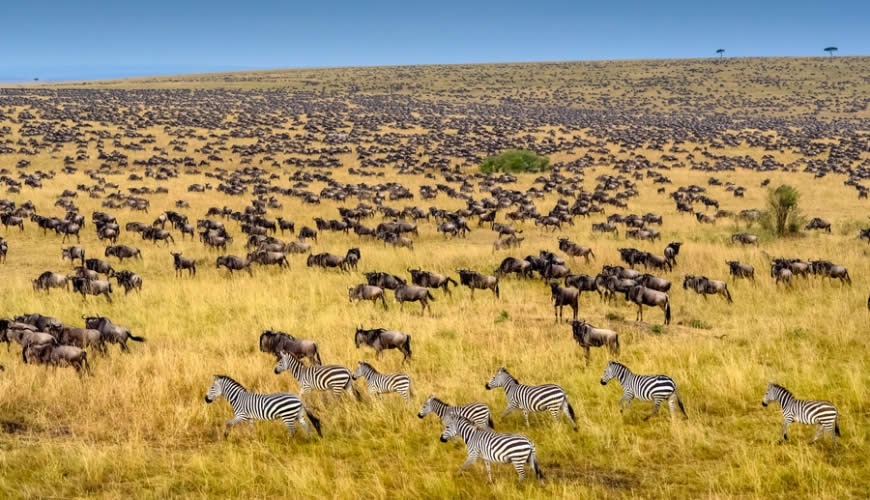
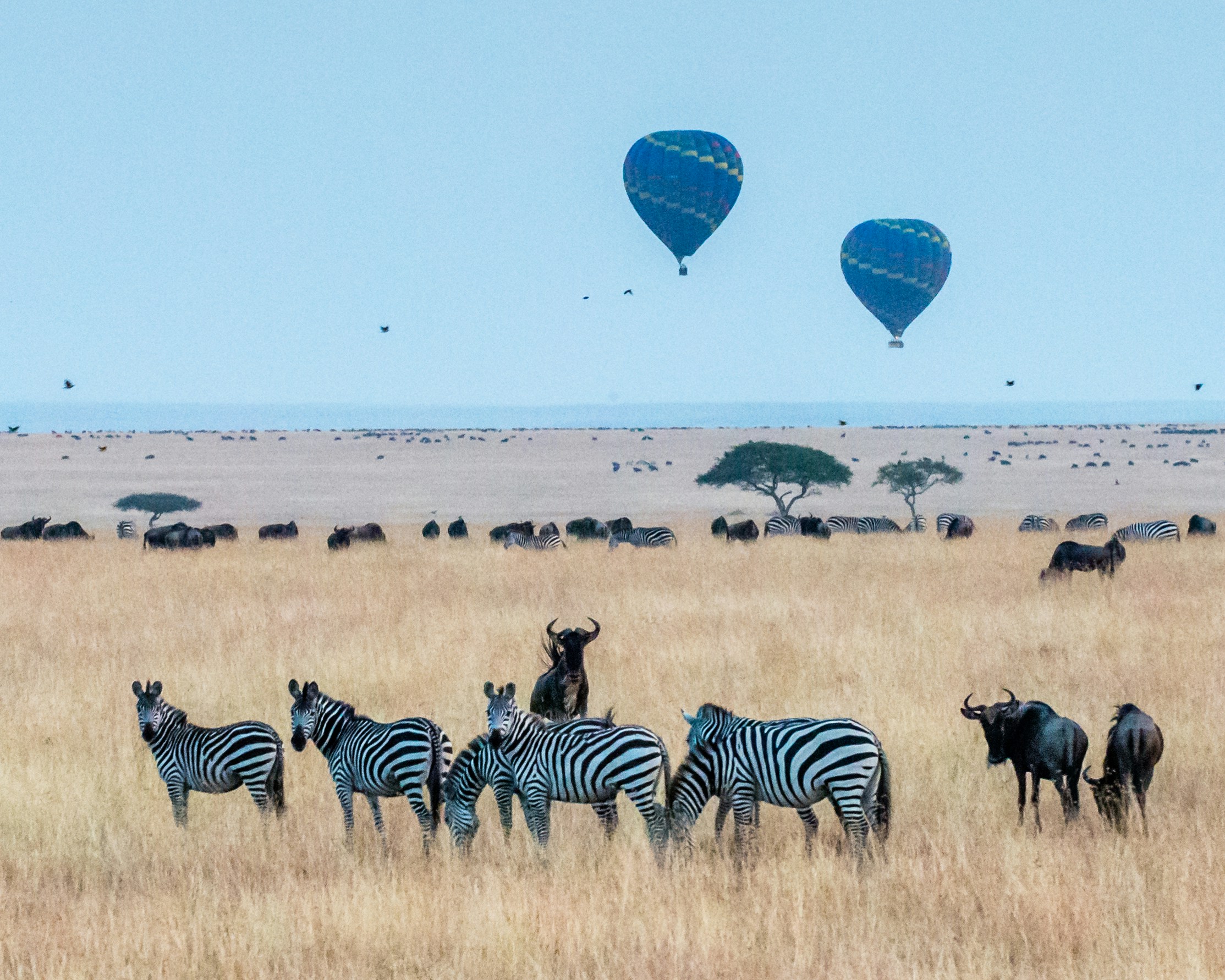
The Serengeti opens up in a way that is hard to explain until you see it. The land stretches out, flat in some places, broken by kopjes and scattered trees in others. This is the core of any tanzania safari, and you feel that almost immediately. Wildlife does not appear all at once. You notice small movements first, then larger moments follow. Lion prides rest in the open, cheetahs scan from raised ground, and leopards stay hidden longer than you expect. Early mornings and late afternoons bring the most activity, though nothing feels predictable. The migration passes through at certain times, but it depends on the season.
These three days build slowly, then end faster than you expect. Day seven gives you the first feel of the space. Day eight goes deeper, with longer drives and more time to explore. Day nine often shifts toward the northern Serengeti near the Mara River. Evenings stay simple. Sundowners, sometimes a bush dinner, nothing too structured. As the Tanzania Zanzibar safari begins to shift, leaving this rhythm feels slightly strange. You get used to it, then it changes. Couples who want to shape this into a romantic trip should also read our Tanzania honeymoon safari guide — it covers the best lodges, timing, and add-ons for a high-end bush and beach experience.
Day 10 — Flying to Zanzibar: From the Serengeti to the Indian Ocean
The flight to Zanzibar feels like a clear break in the trip. Small aircraft lift off from the Serengeti, and the land stretches out below you. For a while, everything looks dry and flat. Then the colors begin to change. One of the reasons people choose to visit Tanzania and Zanzibar together is this contrast. It happens quickly. Brown tones fade, and the ocean starts to come into view.
Flights usually take around one hour and twenty minutes. After landing, a short transfer brings you to your beach stay. The first look at the water feels different. The pace drops without needing effort.
Days 11–12 — Zanzibar: Beaches, Stone Town & Spice Island Life
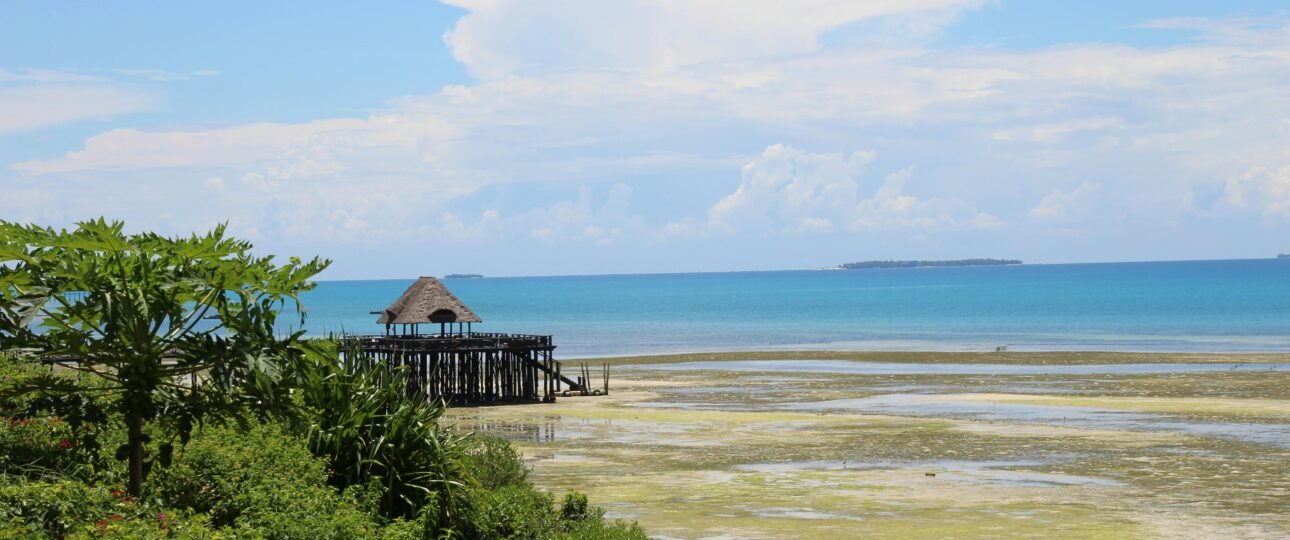
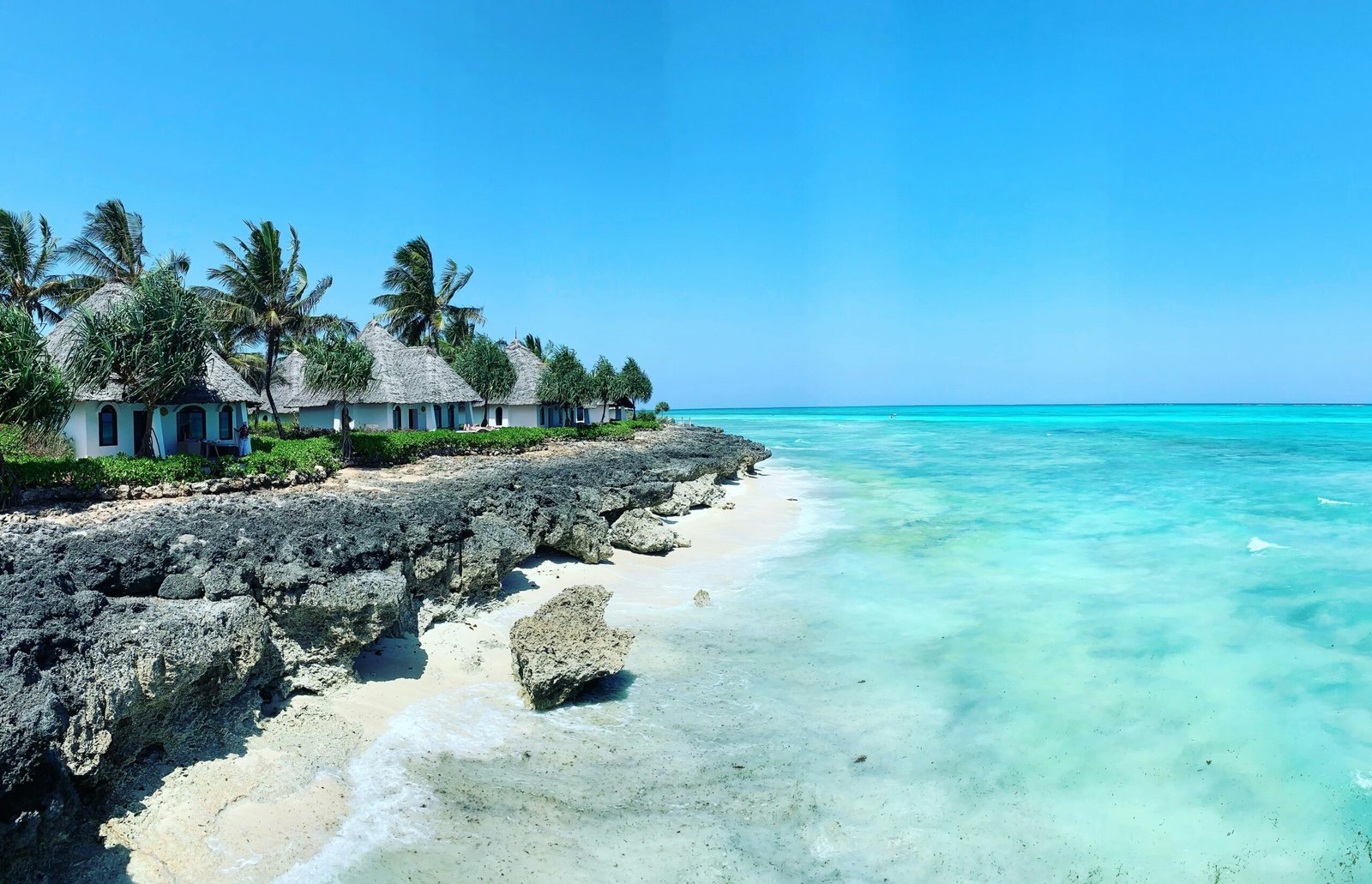
Zanzibar feels slower from the moment you arrive, though you still have options. Nungwi Beach and Kendwa stay more active, with open beaches and easy swimming. Paje Beach feels quieter and draws people who come for kitesurfing. The water stays clear, and coral reefs sit close to shore in many places. Snorkelling trips, dolphin tours, and the Safari Blue excursion all fit easily into the day. Some visitors also head to Prison Island or stop at the turtle conservation area in Nungwi. You don’t need a fixed plan here, which helps.
Stone Town changes the pace again if you step away from the beach. Narrow alleys, older buildings, and busy markets create a different feel. You pass places like the House of Wonders or move through spice markets tied to the island’s past. A spice tour introduces cloves, vanilla, and nutmeg in a simple way. Evenings slow down again. A dhow cruise, fresh seafood, nothing complicated. It ends the trip in a calm way.
Day 12 — Departure: Last Morning in Zanzibar
The final morning stays quiet. Breakfast by the ocean, maybe a short walk, maybe just sitting still. Some people go for a quick swim before checkout. After that, transfers head toward Zanzibar International Airport. Flights leave directly or connect through Dar es Salaam. It ends simply, which feels right after the pace of the trip.
Best Time to Visit Tanzania and Zanzibar on This Itinerary
There is no single perfect time to visit Tanzania and Zanzibar on this itinerary. It depends on what matters more to you — wildlife density, weather, or fewer people around. Our best time to visit Zanzibar guide breaks down the full seasonal picture across both the island and the mainland so you can match your travel window to what you want to experience.
Dry Season (June–October)
This is when things feel easier on safari. Water sources shrink, so animals gather in fewer places and sightings improve quickly. The Mara River crossings usually peak from August to October, though it never follows a strict calendar. It gets busy, and prices reflect that. Zanzibar stays warm and dry during this time, which makes beach days simple.
Green Season (November–March)
This period feels quieter, almost more relaxed. The southern Serengeti sees calving around January and February, with large numbers of newborn wildebeest. That changes the whole experience. Birdlife improves too, which some people don’t expect. Some tracks can get muddy after rain, but rarely everywhere at once. Zanzibar may see short rains in November, though they usually pass fast.
Shoulder Season (April–May and November)
April and May bring long rains, and that changes the pace. Some lodges close, and certain routes become harder to access. It’s not for everyone. November sits in between and feels more flexible. Short rains come and go, but travel still works. Prices drop here, sometimes more than expected.
- For Migration river crossings → July to October
- For calving season and better value → January to February
- For fewer crowds → March
- For beach weather → June to October is easiest, though Zanzibar works most of the year
How Much Does a 12-Day Tanzania Safari and Zanzibar Cost?
The cost of this trip varies more than most people expect. Tanzania safari and zanzibar packages usually fall into three levels, budget, mid-range, and luxury. Some costs don’t change much. Park fees, internal flights, those stay fixed. What shifts is everything around that. Where you stay, how you move, and how much comfort you want.
| Cost Category | Budget ($) | Mid-Range ($) | Luxury ($) |
| Safari accommodation (per night) | 150–250 | 300–500 | 700–1200 |
| Zanzibar accommodation (per night) | 80–150 | 200–400 | 500–1000 |
| Park fees (total) | 800–1200 | 800–1200 | 800–1200 |
| Domestic flight (Serengeti → Zanzibar) | 200–350 | 200–350 | 200–350 |
| Guide/vehicle | 150–250/day | 200–350/day | 300–600/day |
| Zanzibar activities | 50–150 | 100–250 | 200–400 |
| International flights (estimate) | 600–1200 | 600–1200 | 600–1500 |
| TOTAL per person (estimated) | 2500–4000 | 4500–7000 | 8000–12000+ |
A few things push the price up faster than expected. Group size matters, since sharing lowers cost per person. Accommodation choice changes the total more than anything else. Time of year also plays a role, especially in peak season. Booking a tanzania safari through a local operator often costs less than using international agents. Same experience, different pricing structure.
How to Book Your Tanzania Safari and Zanzibar Trip
Booking a tanzania safari and zanzibar trip is simpler than it looks once you understand the options. You can either book everything as one package through an operator, or arrange flights, stays, and safari separately. Both work, but they feel very different once the trip starts. Most travelers lean toward a full package because it removes a lot of small decisions along the way.
Local Tour Operator (Recommended)
This is where most people end up after a bit of research. Local operators based in Arusha or Moshi usually offer better value without added markup. They handle park fees, guides, vehicles, internal flights, and Zanzibar stays in one plan. That alone removes a lot of back and forth. Most tanzania safari and zanzibar packages are built this way, with flexibility built in if plans change.
If you want a starting point, you can explore options through Alika Adventures. You can also contact them directly at +254 704 357 642 or reservations@alikaadventures.com for current deals. They are based at Krishna Centre, Woodvale Lane, Nairobi. That said, always check recent TripAdvisor reviews before booking. It makes a difference.
International Travel Agent
This route works for travelers who prefer everything handled from their home country. It feels more structured, sometimes more reassuring. The trade-off is cost. Prices often run 15 to 25 percent higher than local operators for the same setup. The experience on the ground stays almost identical. You just pay more for the planning layer.
Self-Arranging
It is possible to plan everything yourself, but it comes with challenges. National parks allow self-drive, though routes can feel confusing without local knowledge. Vehicle rules are strict, and a proper 4×4 is required in most areas. Without a guide, wildlife sightings drop more than expected. It works better for experienced Africa travelers, not first-time visits.
Practical Tips Before You Go
Before you finalise your plans for this trip, these are the most important practical details to sort in advance.
- Most travellers need a Tanzania e-visa or can get a visa on arrival for $50 USD, but applying online at least two weeks before travel saves time at the airport.
- Yellow fever, typhoid, and hepatitis A vaccinations are commonly recommended, and malaria prevention is essential for mainland Tanzania.
- The Tanzanian shilling is used on the mainland, though USD is widely accepted, especially for hotels, tours, and Zanzibar stays.
- Pack neutral safari colours like khaki, olive, and beige to blend in during game drives and avoid attracting attention.
- Early mornings in the Serengeti can feel cooler than expected, so light layers help more than most people think.
- Reef-safe sunscreen is important for Zanzibar, especially if you plan snorkelling or longer beach days.
- Local SIM cards from Airtel or Vodacom are available at Kilimanjaro airport, and coverage is generally reliable in parks and Zanzibar.
- Tipping is expected across safari trips, with around $10–15 per day for guides and about $5 per day for lodge staff.
- Travel insurance should include medical evacuation, as services like AMREF Flying Doctors are commonly used in remote areas.
- A telephoto lens makes a big difference for wildlife photography, and drones are not allowed inside national parks.
FAQs
Is 12 days enough time for a Tanzania safari and Zanzibar?
Yes, 12 days is enough if the itinerary is planned properly. A well-paced tanzania safari and zanzibar trip gives you time across multiple parks and still allows a few days on the beach. You don’t feel rushed, and transitions stay manageable.
What is the best time to go on a Tanzania Zanzibar safari?
It depends on what you want to see. A tanzania zanzibar safari works year-round, but dry season suits wildlife viewing, while green season offers fewer crowds and better value. The timing section above breaks this down more clearly.
Do I need a visa for Tanzania and Zanzibar?
Yes, but it is straightforward. Zanzibar is part of Tanzania, so one visa covers both destinations. Most travellers apply online before arrival.
Can I see the Great Migration on a 12-day itinerary?
Yes, but timing matters. Travel between July and October for river crossings in the north, or January to February for calving in the south. Outside these windows, the migration still exists, but looks different.
How do I get from the Serengeti to Zanzibar?
Most people take a domestic charter flight from Seronera or Arusha. The journey takes around one hour and twenty minutes. It is usually included in organised trips.
Is Tanzania safe for tourists?
Yes, Tanzania is considered one of the safer destinations in East Africa for travellers. Standard precautions still apply, especially in cities. Malaria prevention is important, particularly during the safari portion. For a full safety breakdown specific to Zanzibar, our guide on is Zanzibar safe for tourists covers everything from transport and health to solo travel tips. Also check our Zanzibar tour packages if you want a fully planned trip with transfers, stays, and activities sorted from the start.
You can also check our Tanzania safari and Zanzibar packages if you’re looking for a complete East Africa itinerary. This combination is ideal for travelers who want both wildlife safaris and Indian Ocean beach relaxation in one trip. Get in touch on WhatsApp to receive customized travel planning, itinerary support, and current package details.