
Pick Lake Nakuru if you want guaranteed rhinos and a proper vehicle game drive. Pick Lake Naivasha if you want a boat ride, close hippos, and a walk among giraffe with nothing standing between you and them. That is the honest short answer to the lake naivasha and lake nakuru question, before any brochure language gets in the way. Both lakes sit within three hours of Nairobi, so distance rarely settles this for anyone. What actually settles it is the kind of day you want: vehicle-based wildlife viewing at Nakuru, or a slower, water-based encounter at Naivasha. This guide breaks down the wildlife, the real cost, the timing, and which lake fits which kind of traveler.
Naivasha vs Nakuru at a Glance
Naivasha and Nakuru sit about an hour apart, yet they deliver two completely different trips. One is a freshwater lake with no gate fee. The other is a fenced, alkaline park with a real entry cost and a strong claim on the Big Five. Here is the fast version before the full breakdown below.
| Lake Naivasha | Lake Nakuru | |
| Lake type | Freshwater | Alkaline soda lake |
| Standout wildlife | Hippos, over 400 bird species | Black and white rhinos, flamingos, lions |
| Main activity | Boat safari, Crescent Island walking safari | Vehicle game drive |
| Distance from Nairobi | About 90 km, 1.5 to 2 hours | About 160 km, 2.5 to 3 hours |
| Entry cost | No park gate fee | $90 per non-resident adult, per day |
| Best suited for | Couples, families, a slower pace | First safaris, a near-guaranteed Big Five sighting |
That table is the ten-second version. The reasoning behind each row is where the real decision lives, and that starts with the wildlife.
Wildlife: What You’ll Actually See at Each Lake
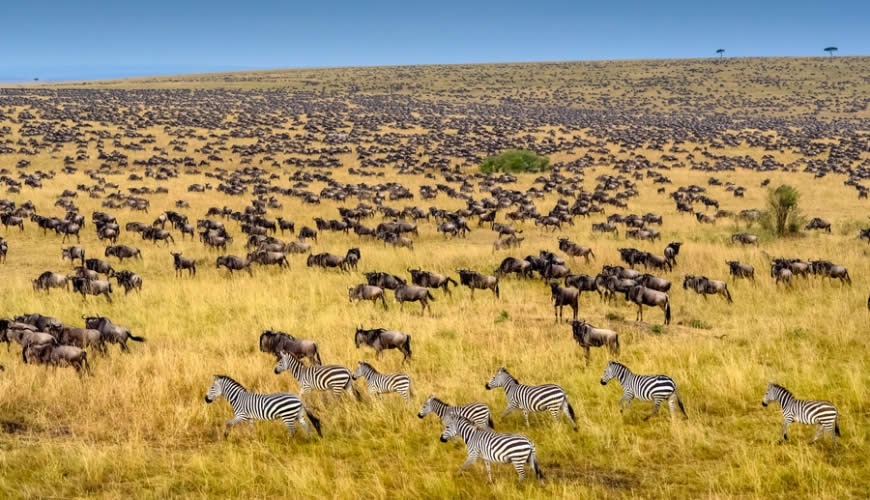
Nakuru’s rhinos are not a maybe. The park is a fenced sanctuary built specifically to protect black and white rhino, so a sighting on a half-day drive is close to guaranteed rather than a matter of luck. Lions, leopards, buffalo, and waterbuck also live inside the fence, which gives Nakuru a real shot at the Big Five in a single compact park. That density is the whole reason people choose a vehicle-based park over a lake walk in the first place.
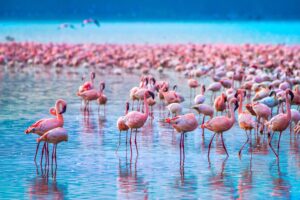
Flamingos are a different story, and most guides gloss over this part. Nakuru’s water level has shifted dramatically over the decades, and past rises pushed most of the flock over to Lake Bogoria for years at a stretch before numbers settled back. Worried the pink shoreline photo will not happen on your dates? Ask your operator for a current flamingo count before you build a whole trip around it, since the picture changes with the season and the water level.
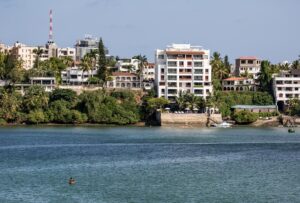
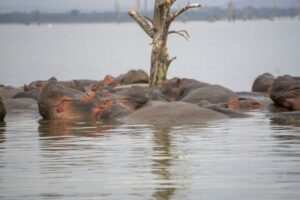
Naivasha plays a different game. It holds an estimated 1,000 or more hippos, along with over 400 recorded bird species, including the African fish eagle and great white pelican. Crescent Island adds giraffe, zebra, and antelope roaming a predator-free peninsula, with no fence and no vehicle door between you and them. That open-ground encounter is something Nakuru’s fenced setup simply cannot offer, no matter how many rhinos are on the shortlist.
Things to Do at Lake Naivasha vs Lake Nakuru
One lake gets you out of the vehicle. The other keeps you in it. At Naivasha, you are on a boat for the hippo safari, on foot at Crescent Island, and on a bike if you add Hell’s Gate National Park to the day. At Nakuru, you stay inside the vehicle for the entire visit, since walking and off-road driving are not permitted inside the fenced park boundary.
That distinction changes a family’s day more than any species list does. A restless eight-year-old handles a boat ride and a short walking safari far better than four straight hours of driving between sightings.
What you’ll do at Lake Naivasha:
- Hippo boat safari, best between 6 and 8 AM
- Crescent Island walking safari among giraffe and zebra
- Hell’s Gate National Park cycling safari through the Njorowa Gorge
- Mount Longonot volcano hike for a full-day option
What you’ll do at Lake Nakuru:
- Morning and afternoon vehicle game drives
- Rhino sanctuary viewing, both black and white species
- Birdwatching along the alkaline shoreline
- Scenic stops at Baboon Cliff and other viewpoints
Cost Comparison: Naivasha vs Nakuru Entry Fees and Safari Packages
Nakuru costs more before you have even seen an animal. Kenya Wildlife Service revised its national park fee structure in late 2025, and Lake Nakuru’s non-resident adult rate jumped from $60 to $90 per day under the new schedule, since the park is now classed as a Premium Park alongside Amboseli. East African citizens pay a separate, lower rate through the same system. That $90 figure covers 24 hours of park access, not any of the activities inside it.
Lake Naivasha works the other way. There is no park gate fee at all, since the lake itself sits outside any national park boundary. Your cost is entirely activity-based instead: a shared hippo boat safari runs about $25 to $35 per person, Crescent Island entry is $30 plus $15 to $20 for the boat transfer, and Hell’s Gate National Park entry now sits at $50 per non-resident adult following the same 2025 fee revision, plus $7 to $10 for bike rental if you cycle the gorge.
For a full trip that covers Naivasha properly rather than as a rushed stopover, a 7-day Kenya safari through Nairobi, the Maasai Mara, Lake Naivasha, and Amboseli, with the boat ride and Crescent Island walk built into the itinerary. It runs from $1,838 per person on a shared room basis at 2026 rates, with park fees, lodging, and transfers already included. That is the kind of real number none of the standard lake comparison guides give you.
For a deeper cost breakdown across a full Kenya trip, our Kenya safari cost guide walks through every line item.
| Item | 2026 cost |
| Lake Naivasha gate access | Free, no park entry fee |
| Naivasha hippo boat safari (shared) | $25 to $35 per person |
| Crescent Island entry plus boat transfer | $30 plus $15 to $20 |
| Hell’s Gate National Park entry | $50 per non-resident adult |
| Lake Nakuru National Park entry | $90 per non-resident adult, per day |
| 7-day Kenya safari including Naivasha | From $1,838 per person, shared room |
Want the exact same trip broken down with current dates? WhatsApp or email us and we will put a full quote together.
Where to Stay at Naivasha and Nakuru
Both lakes have lodging for every budget. Where that lodging sits is the real difference. Naivasha’s camps and lodges run along the lakeshore itself, with hippo sounds at dawn and, at some properties, giraffe on the lawn by breakfast. Fisherman’s Camp is the well-known budget option here, and it activates an electric fence at dusk, which tells you plenty about how close the wildlife gets after dark. Mid-range lodges along the south lake road add en-suite tents with direct water access, while the luxury tier adds private beach sections and guided nature walks.
Nakuru works differently, since lodging sits just outside the park gate rather than inside the fenced sanctuary itself. Sarova Lion Hill and similar properties give you quick morning access to the park without the drive time Naivasha’s lakeside camps avoid entirely.
Best Time to Visit Lake Naivasha and Lake Nakuru
Dry season decides both lakes, though not on quite the same calendar. June through October is the strongest window for Naivasha, with firm ground at Hell’s Gate and steady hippo and bird activity on the water. Nakuru skews slightly later, with November through March favored for bird numbers, including whatever flamingo activity is present that season, alongside the same dry-season game-viewing advantage. Naivasha itself sits at high altitude and stays mild year-round, so it never really has an off-season the way a lower, hotter park would.
Best windows by lake:
- Lake Naivasha: June to October for dry ground and peak hippo and bird activity
- Lake Nakuru: November to March for birdlife, with rhino sightings steady all year
If flamingo numbers are genuinely low that season, dry-season timing still protects the rest of the Nakuru game drive, since rhinos, lions, and buffalo do not depend on the lake’s water level the way flamingos do.
Can You Visit Both Lakes in One Day From Nairobi?
Most day-trip itineraries you will find online undersell the drive time involved. Nairobi to Naivasha runs roughly 1.5 to 2 hours, and Naivasha to Nakuru adds close to another hour on top of that. A Nakuru game drive alone needs a half day to justify that $90 entry fee, since rushing through in ninety minutes wastes most of what the park actually offers.
Doing both properly in a single day from Nairobi means stacking over five hours of driving against maybe four hours of actual wildlife time. That is technically possible, but it rarely makes for an enjoyable day out. An overnight stay at Naivasha, followed by a morning drive on to Nakuru, is the version of this trip that actually works well, and it is the structure most repeat visitors settle on once they have tried the rushed version once.
Which Lake Should You Visit? The Verdict
First-time safari visitors who want a guaranteed Big Five box checked off should pick Lake Nakuru. The fenced park, the rhino sanctuary, and the compact size make it the easier win for someone on their first Kenya trip who wants a strong result without much planning risk.
Couples and honeymooners chasing a slower, closer wildlife encounter should pick Lake Naivasha instead. A boat ride at sunrise, followed by a walk among giraffe on Crescent Island, beats a full day of vehicle-bound game drives for anyone who wants the trip to feel intimate rather than checklist-driven. Families with kids under ten tend to do better here too, since a boat and a short walking safari hold a child’s attention far longer than hours strapped into a Land Cruiser.
If neither of those descriptions rules out the other lake for you, do not force a single choice. We build both lakes into one trip for exactly this reason: our Maasai Mara and Amboseli itineraries already route through Naivasha with a full overnight stay, and a Nakuru rhino drive can be added to the same route on request.
Want a custom quote built around just these two lakes, without the Mara or Amboseli attached? WhatsApp us or email and we will build the itinerary around your dates.
Practical Tips for Visiting Lake Naivasha and Lake Nakuru
A few things are worth sorting out before you land in Kenya. Nakuru’s park fee is paid electronically through the KWS eCitizen system in advance, not handed over as cash at the gate, so confirm your operator has this covered ahead of arrival.
Before you go:
- Book Nakuru park fees through your operator in advance, since cash payment at the gate is no longer standard
- Pack binoculars for Naivasha’s birdlife regardless of current flamingo numbers at Nakuru
- Wear earth-tone clothing for game drives, since bright colors stand out and can unsettle wildlife
- Confirm your yellow fever certificate if arriving from an endemic country, since Kenya checks this on entry
- Leave Nairobi before noon on Fridays, since city traffic can add thirty to sixty minutes to either drive
Conclusion
Neither lake is the wrong choice here. The real question is what kind of day you actually want. Pick Nakuru for a fenced, near-guaranteed Big Five result inside a compact park. Pick Naivasha for a slower boat ride and a walk among giraffe with no vehicle in the way. Most travelers who ask this question end up happiest doing both on one trip rather than picking a side.
Ready to see both lakes on a single route? Talk to our team, through WhatsApp, or email and we will build the itinerary around your dates.
FAQs
Is Lake Naivasha or Lake Nakuru better for a first safari?
Lake Nakuru is the stronger pick for a first safari, since the fenced rhino sanctuary and compact size give you a near-guaranteed Big Five result in a single half-day drive.
Can I still see flamingos at Lake Nakuru in 2026?
Flamingo numbers at Nakuru depend on the lake’s current water level, which has shifted the flock toward Lake Bogoria in past years. Ask your operator for a current count before your trip, since the picture changes season to season.
How far is Lake Naivasha from Lake Nakuru?
About one hour by road separates the two lakes, which makes an overnight stop at Naivasha followed by a morning drive to Nakuru the most workable way to see both.