
The best things to do in Kenya mix wild safari days, warm beach sunsets, rich culture, and real adventure in one trip. Few places give you this much range. One morning starts with lions in the Maasai Mara. The next ends with fresh seafood by the Indian Ocean. That contrast feels exciting right away. And it keeps going. Kenya pulls people in fast. Nairobi blends busy city life with giraffes, local food spots, and open-air markets. Up north, dusty roads lead to tribal villages and huge empty landscapes. Down south, Diani Beach slows everything down. White sand. Warm water. Long lazy evenings. Some people come for the Great Migration. Others chase hiking, diving, or Swahili culture along the coast. Both work.
This guide covers the full mix. Safari parks, best beaches, local culture, food, nightlife, hiking, and hidden spots locals still love. Some trips feel luxurious. Others stay cheap and simple. Kenya handles both with ease.
You can also explore our Kenya wildlife safari packages before planning your Kenya trip. This safari experience covers some of the best national parks and wildlife viewing routes across Kenya. Talk to our team on WhatsApp to check safari availability, lodge options, and current pricing before you confirm your itinerary.
Also read about: Places to Visit in Kenya
1. Go on a Safari in Maasai Mara
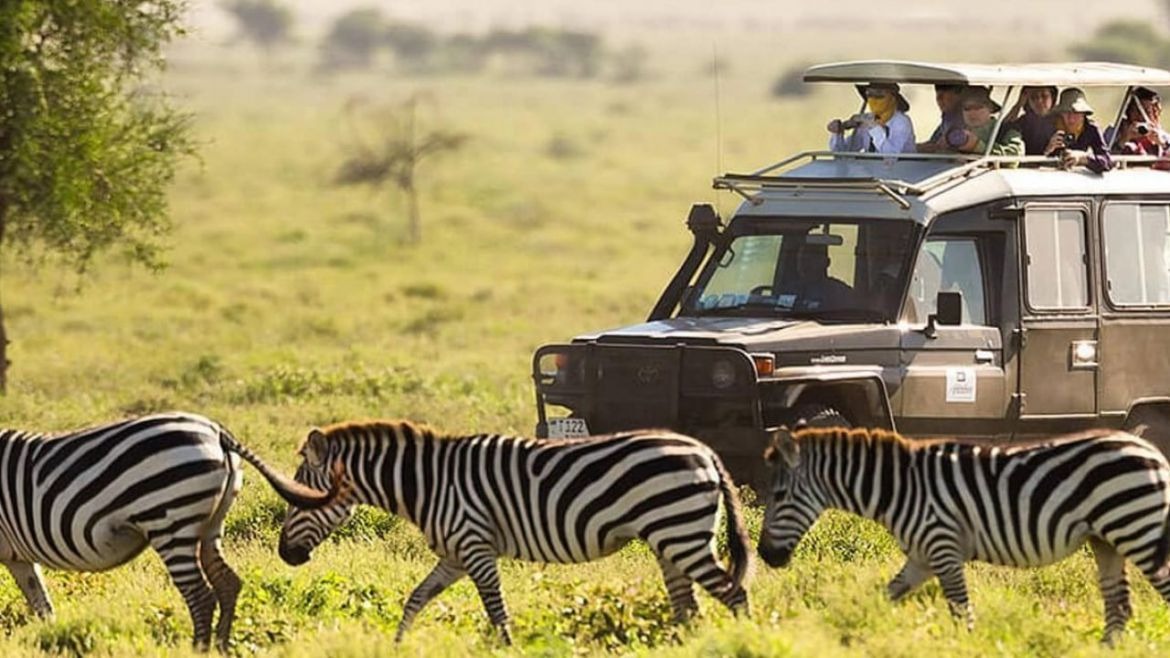
Maasai Mara gives the safari image most people carry in their heads before landing in Kenya. Long grass, dust in the air. Lions resting near the road while safari jeeps wait in silence. Sunrise drives feel unreal at first. The sky turns orange fast, and animals start moving before the heat builds. That early hour matters. Big cats hunt then, cameras click nonstop.
The Big Five live here, but real safari days stay unpredictable. Some drives feel packed with sightings. Others move slowly. That is part of the thrill. And honestly, people remember the quiet moments too. The Great Migration between July and October changes the whole mood of the reserve. Thousands of wildebeest cross the Mara River while crocodiles wait below. It feels tense, very tense.
Luxury camps bring private guides and sunset dinners. Budget safaris use shared jeeps and simpler camps. Both still put you close to the wildlife and that’s the magic.
- Best safari months: July to October
- Ideal trip duration: 3 to 4 days
- Budget range: $180 to $900+ per day
2. Explore Nairobi’s Wildlife and City Attractions
Nairobi feels different from most capitals straight away. Zebras and giraffes live minutes from busy roads and office towers. That contrast surprises almost everyone. Nairobi National Park sits close to the city center, yet lions and rhinos still roam there. Morning game drives work best. The air stays cool, and animals move more. The Giraffe Centre turns playful fast. Feeding a giraffe by hand sounds touristy until one leans inches from your face. Kids love it. Couples do too. Nearby, the elephant orphanage pulls a more emotional reaction. Young rescued elephants run toward feeding time like excited children. It’s hard to forget that.
Markets and museums balance the wildlife side of Nairobi. Maasai Market stays loud, colorful, and packed with handmade crafts. The Nairobi National Museum adds history, tribal culture, and fossils into the mix. Give the city at least three days. Less feels rushed.
- Nairobi National Park
- Giraffe Centre
- Elephant orphanage
- Maasai Market and museums
3. Relax on Kenya’s Indian Ocean Beaches
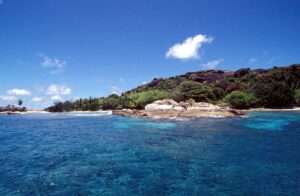
Kenya’s coast changes pace completely after safari days. Diani Beach feels soft, calm, and polished. Honeymoon couples usually head there first. White sand stretches for miles, and sunset dinners feel easy to plan. Watamu beach stays quieter, snorkelling trips and turtle conservation projects attract people who want a slower beach trip. Families fit well there.
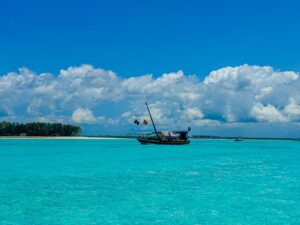
Malindi mixes beach time with old Swahili culture and Italian food spots. The town feels relaxed without becoming sleepy. Then comes Lamu. Different world, no cars, narrow alleys. Wooden boats crossing calm water at sunset. The island moves slowly on purpose.
Water sports run across most of the coast. Kite surfing works best in Diani. Watamu suits snorkelling and diving beginners. Deep-sea fishing draws more serious adventure seekers near Malindi. Some beaches feel social. Others feel deeply quiet. Kenya gives both without much effort.
4. Visit Amboseli National Park for Mount Kilimanjaro Views
Amboseli National Park feels built for photography. Huge elephant herds walk across dry plains while Mount Kilimanjaro rises behind them. On clear mornings, the Kenya mountains looks massive. Then clouds cover it again by noon. Timing matters here. Sunrise game drives give the best chance for those famous postcard shots.
Elephants dominate the park. Big tusks, slow movement. Dust blowing around their feet. Watching them cross open land with Kilimanjaro in the back feels cinematic. That word gets overused online. Wildlife sightings stay strong, though the park feels smaller than Maasai Mara. You still spot zebras, buffalo, hyenas, and lions with patience. Dry months help most. Animals gather closer to water, and roads stay easier to drive. Some people visit Amboseli only for photos. Fair enough. Few safari parks look this dramatic in real life.
5. Experience Maasai Culture and Local Traditions
Meeting the Maasai people adds depth to a Kenya trip fast. Safari alone shows wildlife. Maasai villages show daily life, tradition, and community pride. Local guides explain cattle culture, family roles, clothing, and survival skills passed through generations. Then comes the dances. Jumping competitions start, songs rise together, and the whole place feels alive.
Some village visits feel rushed and staged. That happens. Choosing ethical tours matters a lot. Good guides explain where your money goes and how the community benefits directly. Ask questions before booking.
The best cultural visits feel personal instead of performative. Children wave from homes. Elders share stories. Handmade beadwork carries meaning beyond souvenirs. Respect matters here. Dress modestly, listen more than you speak. Small actions change the tone of the visit quickly. That human connection often surprises people most.
6. Go Hiking and Trekking in Kenya
Kenya surprises many people with its hiking scene. Most expect safari first. But the landscapes here work beautifully for trekking too. Mount Kenya brings the biggest challenge. Thin air, rocky trails, and cold mornings test even fit hikers. The reward feels huge though. Sharp peaks rise above clouds by sunrise.
Hell’s Gate National Park stays far easier. You walk beside cliffs, zebras, and dramatic rock formations without needing expert fitness. That freedom feels rare in Africa. Ngong Hills offers windy ridge walks near Nairobi. Local groups hike there every weekend. The city noise fades fast. Forest trails around Kenya also suit slower nature walks. Bird sounds replace traffic. The air cools down. Some routes stay beginner-friendly, others push harder.
- Mount Kenya: Hard trek, alpine scenery
- Hell’s Gate: Easy to moderate, wildlife views
- Ngong Hills: Moderate, windy hill trails
- Forest trails: Relaxed walks, nature focus
7. Try Adventure Activities in Kenya
Kenya pushes beyond safari fast once adventure kicks in. Hot air balloon rides above Maasai Mara feel surreal before sunrise. The silence hits first. Then the plains open below while giraffes and elephants move through the grass. Expensive? Yes. Still unforgettable.
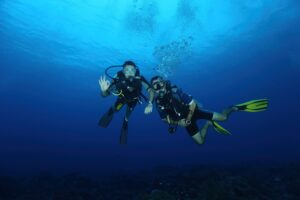
The coast brings a different rush. Watamu and Diani work well for snorkelling and scuba diving beginners. Clear water helps nervous first-timers settle in quickly. Kite surfing pulls more thrill seekers once coastal winds rise. Some wipe out hard at first, part of the fun.
Camel rides near northern Kenya slow things down again. The desert scenery feels raw and wide open. Then there’s deep-sea fishing, dhow sailing, and quad biking along parts of the coast. Kenya keeps changing moods. That’s what surprises people most. One trip can feel calm in the morning and wildly adventurous by sunset.
8. Explore Kenya’s Food and Coastal Cuisine
Kenyan food feels warm, filling, and heavily shaped by culture and trade routes. Along the coast, Swahili dishes blend African, Arab, and Indian flavors naturally. Coconut milk, cardamom, rice, grilled seafood, and spicy sauces appear everywhere. Indian people usually notice the spice overlap quickly. Pilau rice especially feels familiar.
Nyama choma stands at the center of local food culture inland. Meat grills slowly over open flames while groups sit together for hours talking and eating. Simple setup. Big flavor. Street food also plays a huge role in cities like Nairobi and Mombasa. Smoky maize, samosas, fried cassava, and chapati stalls stay busy late into the night. Seafood near the coast tastes fresher than many people expect. Octopus curry and grilled lobster show up often in beach towns. Some meals feel fancy. Others come from tiny roadside spots with plastic chairs. Those places often cook best.
Read here about: Diani Vs Mombasa
9. Visit Lake Nakuru and Kenya’s Rift Valley
Lake Nakuru brings a softer side of Kenya’s wildlife scene. The drive through the Rift Valley already feels scenic before you even reach the lake. Wide escarpments stretch across the road while lookout points pull cars over constantly. Cameras come out fast there. The lake became famous for flamingos, though numbers shift during the year depending on water levels. Some days the shoreline glows pink. Other days wildlife steals attention instead. Rhinos, giraffes, buffalo, and baboons appear often around the park roads. Bird lovers stay busy for hours.
Photography works especially well during early morning drives. Mist hangs above the lake while sunlight cuts through slowly. Quiet moment. Then suddenly a rhino crosses the road nearby. That contrast keeps people alert the whole time. Many people pair Lake Nakuru with a longer Rift Valley road trip. Smart choice. The landscapes change constantly across this region.
Travel Tips Before Visiting Kenya
- Visa: Apply for Kenya’s eTA online before flying
- Transport: Use Uber or Bolt in Nairobi and Mombasa
- SIM cards: Safaricom gives the best network coverage
- Local payments: Carry some cash, but cards work in cities
- Safari packing: Pack neutral clothes, sunscreen, sunglasses, and a light jacket
- Health prep: Carry malaria pills if visiting safari zones
- Food: Vegetarian food stays easy to find in Nairobi and Mombasa
- Budgeting: Safari trips raise costs fast. Plan early
- Safety: Avoid isolated streets late at night in major cities
- Water: Drink bottled water only
- Internet: Most hotels and cafes offer decent Wi-Fi
- Indian spice cravings: Coastal Swahili food often suits Indian taste buds well
Conclusion
Kenya delivers far more than a basic safari trip. Wildlife grabs attention first, but the country keeps opening up after that. Beach towns slow the pace down. Mountain trails add challenge. Local markets, Maasai culture, and coastal food bring real personality into the trip. Some days feel wild and dusty. Others feel calm beside the ocean and that balance makes Kenya stand out.
You can also check our Masai Mara packages before finalizing your travel plan. The Masai Mara is one of the most famous safari destinations in Africa, especially during the Great Migration season. Talk to our team on WhatsApp to get personalized recommendations, lodge availability, and updated safari pricing.