
Paje Beach is worth the trip. But not for everyone, and not at every hour of the day. The tides run the show here. The wind decides the mood. And the kind of week you want shapes whether Paje is the right call or the wrong one. This guide answers the questions every first-timer has before they book. What the beach actually looks like, what to do, when to go, and what to know before day one.
Eight tips cover the gaps every other Paje Beach guide skips. Not the obvious ones. The ones that change your first few days.
You can also explore our Nyali Beach Kenya guide if you’re planning to combine Zanzibar with Kenya’s Indian Ocean coastline. Many travelers enjoy pairing Paje’s relaxed beach vibe with Mombasa’s coastal experiences for a complete East Africa beach trip. Reach out on WhatsApp to get personalized beach recommendations, hotel options, and updated pricing before you book.
Is Paje Beach Right for You? (Or Should You Go to Nungwi?)
The best beach in Zanzibar is not the one every guide recommends. It’s the one that fits the kind of trip you want. Paje and Nungwi are both great. They are not the same place.
Nungwi sits at the north tip of the island. Boats leave all morning. Beach bars open at noon. Other people are around and easy to talk to. If you want movement, social energy, and a beach scene with things happening, go north. Nungwi delivers it well.
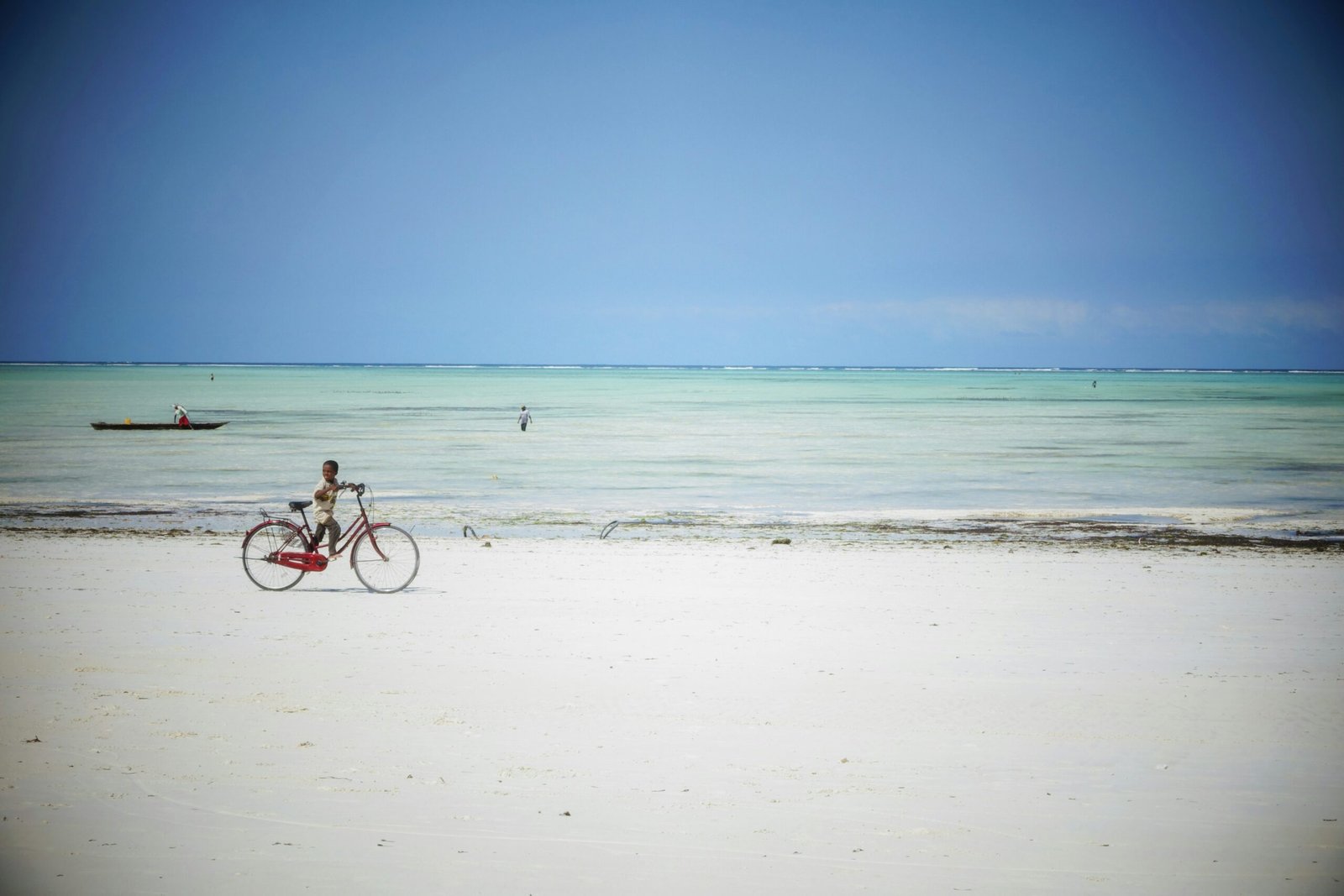
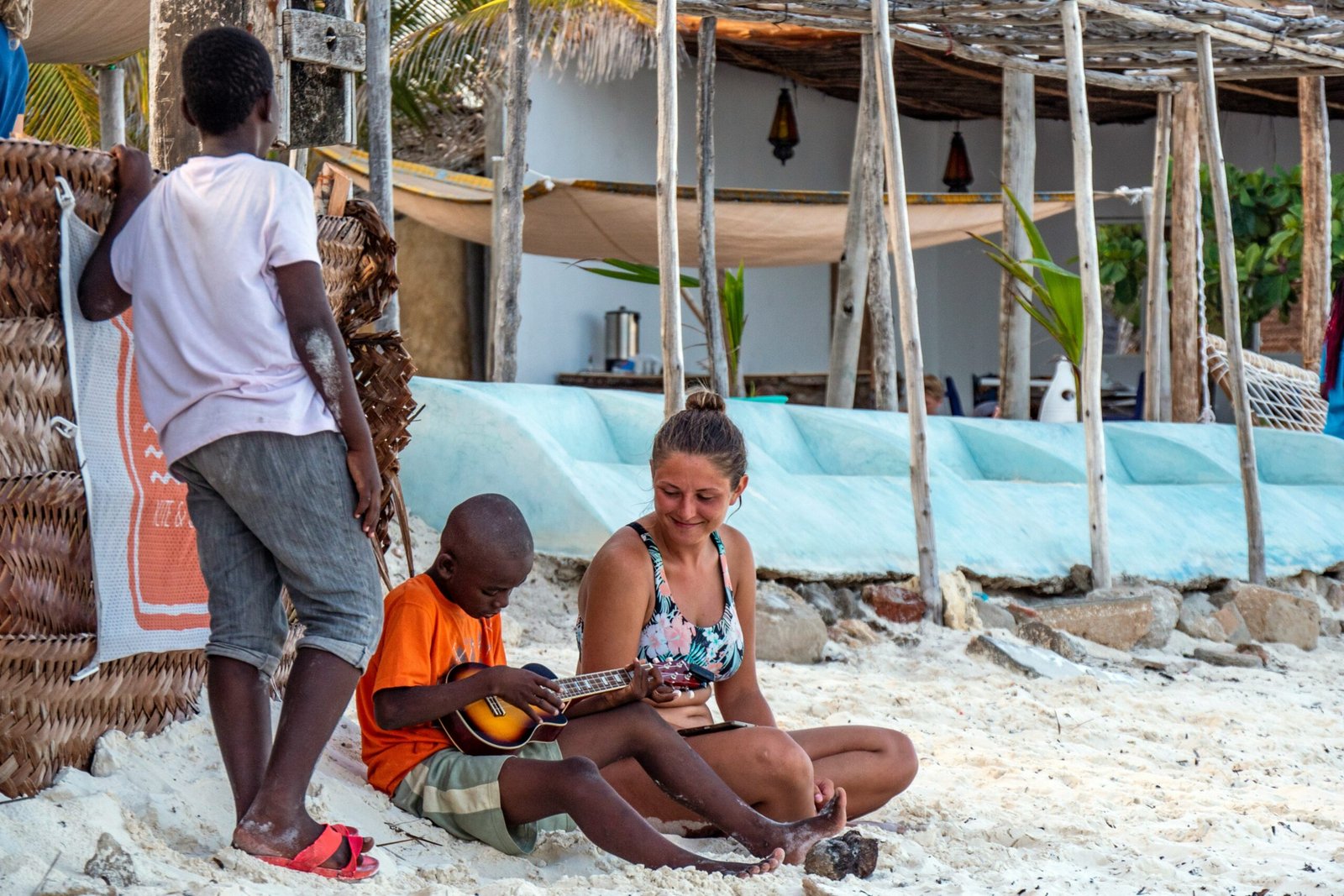
Paje Beach is on the southeast coast. It’s quieter and slower. Seaweed farmers work the shallows at low tide. Kites fill the sky from late morning. The restaurants are mostly local-run, with plastic chairs and sand underfoot. This beach suits people who want to be left alone, eat well, and watch the tide shift. A first-timer who arrives expecting Nungwi energy will spend half the trip frustrated. Know this before you book.
| Paje | Nungwi | Who It Suits |
| Quiet, slower pace | Lively beach scene | Paje: solo or couples wanting calm |
| Kitesurfing focus | Snorkeling and boat trips | Nungwi: social travelers, families |
| Local restaurants on sand | Mix of hotel and beach bars | Paje: people who eat over party |
What Paje Beach Actually Looks Like (And What the Tides Do)
Low tide at Paje Beach looks nothing like the photos. The water pulls back 200 to 300 meters. The beach turns into a wide, glassy sandflat that stretches to the horizon. You can walk out and stay ankle-deep for a long time. It’s striking. But it’s not swimmable.
First-timers who head straight to the water in the morning often stop and stare. The ocean is gone. At high tide, the beach swings the other way. The water fills in, the sand narrows, and swimming is easy. That version looks more like what you’ve seen in photos. The two versions of Paje are so different that the tide chart is not a nice-to-have. It’s a planning tool. A swim session, a snorkeling run, a day trip off the beach. All of it depends on tide timing.
Seaweed farmers work the shallows at low tide. Zanzibar’s east coast is known for this. Rows of sticks in the sand, women wading with baskets. It’s worth watching. Just don’t walk through the farming rows. That’s someone’s crop.
Before you arrive at Paje Beach Zanzibar, search “Paje tide chart” plus your travel dates. Most tide sites give hourly data for free. Pick two or three days where high tide falls in the morning. Those are your best swim days. Lock them in now.
Kitesurfing at Paje: And What to Do If You Don’t Kite
You do not need to kitesurf to have a great week in Paje. But you do need a plan. The beach is built around kitesurfing. Schools line the shore. Wind flags fly from mid-morning. If you arrive with no activity of your own, restlessness can set in by day four. Two to three days at Paje Beach without kiting is great. Seven days without a plan is risky.
Paje Beach Zanzibar works well for non-kiters if you build the week right. The reef snorkeling north of the main strip is strong at high tide. Low-tide walks toward Jambiani go for miles on flat, firm sand. The food is genuinely good. Day trips to Stone Town, Jozani Forest, and the sandbank tours all run easily from here. Sounds like enough? For most people, it is. With planning.
Five things to do at Paje if you don’t kite:
- Snorkeling at the reef. Hire fins and a mask from any beach operator. Go at high tide for the best visibility. The reef north of Paje has solid fish life and decent coral.
- Low-tide walks toward Jambiani. The sandflat goes for miles. Take reef shoes for the rocky patches near the water’s edge.
- Stone Town day trip. About an hour by shared taxi. The places to visit in Stone Town — the spice market, Forodhani Night Market, and the old quarter — are full-day material.
- Jozani Forest. Zanzibar’s red colobus monkeys live here. The troop comes close. Book a shared van from your hotel for a half-day.
- Sandbank trip. Boats go out at high tide. Usually includes snorkeling and a grilled fish lunch on the sand.
Not sure how Paje fits into your broader Zanzibar plans? The full guide to things to do in Zanzibar helps you map out the whole island across your available days.
Best Time to Visit Paje Beach
The best time to visit Paje Beach is June through August or December through February. Both windows bring strong trade winds, clear skies, and reliable beach weather. Both work for kitesurfers, so the kite scene is at its best.
The two wind seasons have names. June through September is Kusi, the southeast trade wind. This is the peak kiting window. Strong, consistent, predictable. It’s also the busiest and priciest stretch. For 2026, the June through August window gives you the most reliable wind and the clearest skies. Book early. Hotels fill fast in July. December through February brings the Kaskazi, the northeast wind. Slightly fewer crowds than high summer. Prices ease a little. Still great for kiting and beach weather.
November is not great. Low wind, some rain, lower prices. If you’re not kiting and you’re on a tight budget, November works. But go in knowing it’s the shoulder season. The beach has fewer people for a reason.
For a month-by-month breakdown that goes beyond just Paje, the best time to visit Zanzibar guide covers weather patterns, crowd levels, and safari timing across the whole island.
Getting to Paje From the Airport (And What to Pay)
Getting to Paje is easy. Knowing what to pay is harder. The drive from the airport to the beach takes about 50 minutes in a private transfer. In 2026, a private transfer runs between $35 and $50. Verify current rates with your hotel before arrival. Prices shift with fuel costs and demand.
The dala dala, the local shared minibus, costs almost nothing. Under $2 in most cases. It also takes 90 minutes or more, stops often, and packs in tightly. For most US trips, the gap between a dala dala and a private transfer is a simple call. Ask your hotel to arrange the transfer in advance. Do not take a taxi from someone who walks up to you outside the terminal. Walk to the taxi rank, agree on a price before you get in, and confirm it covers luggage. Cash only for most transfers.
Where to Stay in Paje (Budget to Mid-Range)
For most first-timers, mid-range in Paje Beach hits the sweet spot. Budget hotels sit a short walk from the beach. Mid-range ones sit closer. The main trade-off is simple: walk 200 meters to the sand, or step off your porch onto it.
Paje By Night is the standout mid-range pick. It shows up in almost every serious review of the area. Good location, clean rooms, and a restaurant that gets lively in the evenings. Not fancy, not rough. Good value for what you get.
Budget rooms exist near the beach for under $40 a night. You give up the view. You keep your money for food and day trips. Mid-range runs $60 to $120. The top end goes higher, but the beach is the same beach for everyone. One thing to flag: some hotels in Paje are cash-only. Heart of Zanzibar Bungalows, as of early 2026, is one of them. Bring US dollars in small bills. A $100 bill is hard to change in Paje village. Come with $20s.
Couples planning a romantic stay should also take a look at the Zanzibar honeymoon guide — it covers the best stays and experiences across the island for two, including options near Paje.
Where to Eat in Paje (And What to Order)
Eat locally and eat well. In Paje Beach, those two things are the same. The best food is not at resort restaurants. It’s at local-run beach spots. Plastic table, grilled octopus, a fraction of the hotel price.
Lecker Lecker comes up in every credible Paje review. Go there for fresh seafood. Order the grilled prawns or the octopus. African BBQ near the village strip is the cheapest sit-down option and locals eat there too. Mr. Kahawa is the coffee stop for a proper cup before a morning session. Need a burger after a few days of heavy fish? B4 fills that gap.
Four spots worth knowing:
- Lecker Lecker. Grilled octopus and prawns. Beach setting. Around $8 to $14 for a main. Go at high tide when the vibe is best.
- African BBQ. Local crowd, low prices. $4 to $6 for a full plate. Cash only.
- Mr. Kahawa. Coffee and light food. Best morning stop near the main strip.
- B4. Burgers and fries. Good break from seafood. Around $8 to $10.
8 First-Timer Tips for Paje (The Ones Guides Skip)
Most Paje tips lists tell you to wear sunscreen. These tips actually change your trip. None of them are obvious. All of them come from what first-timers consistently get wrong.
- Check the tide chart before you plan your swim day. At low tide, the beach is ankle-deep for 200 meters. Beautiful, but not swimmable. Search your travel dates on a free tide chart site. Mark the high-tide windows before you arrive.
- Wear reef shoes in the shallows north of the main strip. The sand is soft on the main Paje section. Further north, the sea floor turns rocky and sharp. Reef shoes cost $5 to $10 at beach shops. Buy them on day one.
- Ask which kite schools are locally run before you pay. Local kite shops in Paje Beach charge a lot less than expat-run ones for the same beginner lesson. The instruction quality is the same. Ask your hotel which schools are locally owned. That one question can save $30 to $50 on a three-hour intro.
- Bring small US dollar bills. Some hotels are cash-only. Most vendors don’t carry change for $50 or $100. Come with a stack of $5s and $10s. ATMs exist in Paje but run out on busy weekends.
- Cover your shoulders and knees in the village. The beach is fine in swimwear. Paje village is a short walk away and it’s a local Muslim community. Put on a shirt and shorts before walking off the beach. People notice when this is skipped.
- Mosquitoes are bad at dusk. Bring DEET from home. The beach shacks don’t always stock it. Long sleeves at 6pm matter here. Zanzibar is a high malaria-risk zone. Start malaria pills before you leave, not when you land.
- Don’t book water trips from people who approach you on the beach. Snorkeling and sandbank tours are easy to find. Book through your hotel or a known shop. The men who walk up to your towel are not running the best boats. For a broader look at staying safe on the island, the guide on Zanzibar safety for tourists is worth a read before you travel.
- Budget for the Tanzania Tourist Levy at entry. As of 2026, the fee is around $44 per person. Verify the current amount before you fly. It’s paid on arrival. Having the right cash ready saves time at the port.
Before You Go
Paje Beach rewards first-timers who arrive prepared. Not over-prepared. Just prepared. Know the tides. Know the kind of beach you’re getting. Know that the kite scene is the main draw, but not the only one. Bring cash in small bills. Check your tide chart before you plan your swim days. Book your kite lesson through a local school if you want to try it. The people who have great weeks at Paje are the ones who weren’t surprised on day one. Don’t be surprised on day one. Ready to make it happen? Browse Zanzibar tour packages to find options that fit your dates, travel style, and budget — whether Paje is your base or just one stop on a longer island trip.
You can also check our Watamu Beach Kenya guide if you’re exploring more beach destinations along the East African coast. Watamu is known for its clear waters, coral reefs, and peaceful atmosphere. Get in touch on WhatsApp to receive customized travel planning, beach combinations, and current package details.