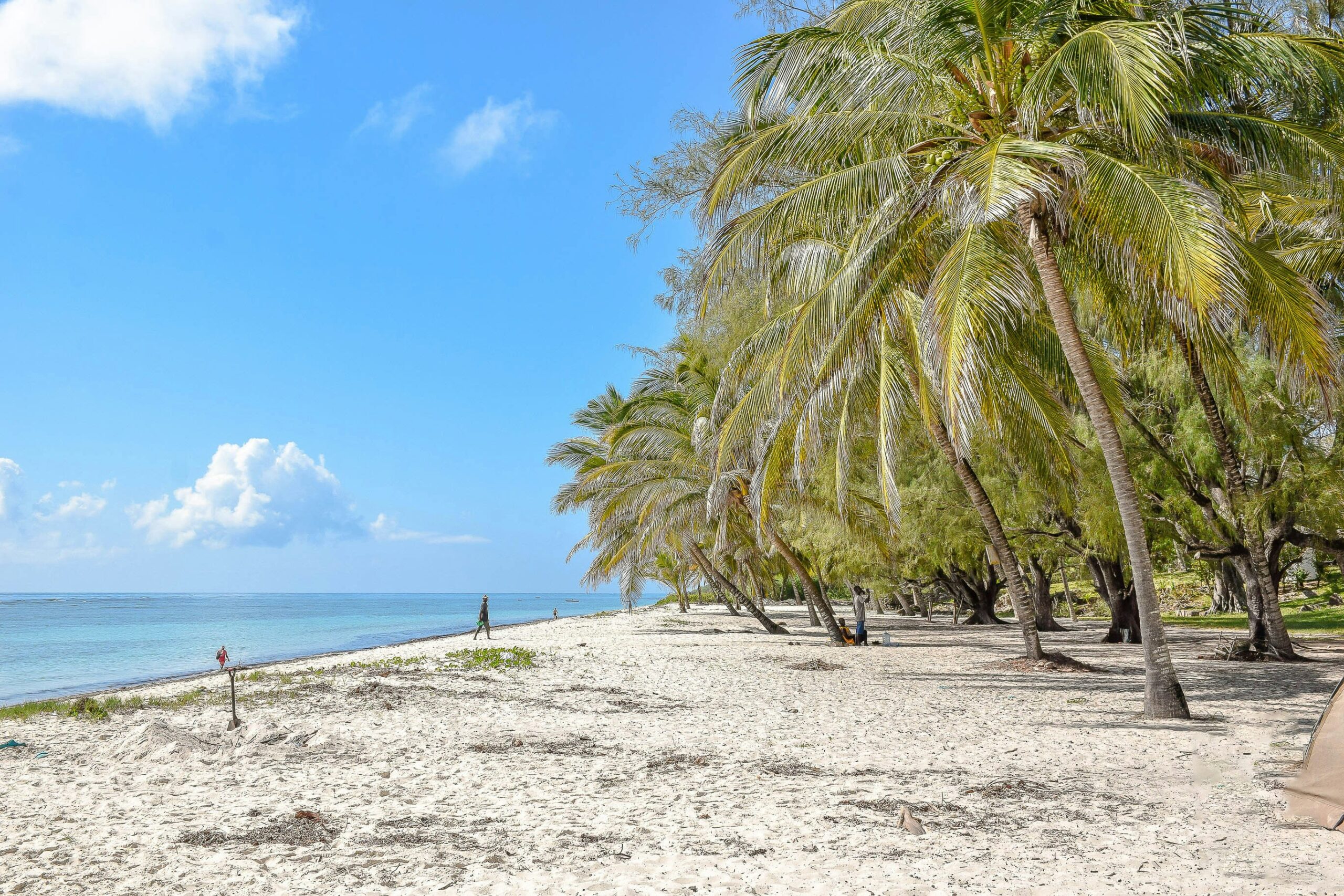




Most travelers land in Zanzibar for quiet beaches, then hesitate to step into Stone Town. It feels busier, tighter, less predictable at first. But that contrast is exactly the point. This is where the island’s story actually lives. When UNESCO listed it in 2000, the focus was not beauty alone. It recognized a rare city where the 19th-century street plan still controls daily life. The narrow coral-stone lanes are not redesigned for visitors. They still guide how people walk, trade, and gather, just as they have for generations.
What stands out quickly is how many cultures sit in one small space. A single turn can show heavy carved Arab doors, Indian-style balconies, African street life, and subtle European traces without any clear boundary between them. Nothing feels arranged. It feels layered and real. That is a sharp shift from the calm, spaced-out feel of beach resorts, where everything is designed to slow you down. Here, everything moves closer and faster.
Once that rhythm settles, the place stops feeling overwhelming and starts feeling deeply engaging. That is when exploring its key spots becomes the natural next step. Travelers who want to go beyond the town and see the full island often find our guide to the 25 best things to do in Zanzibar Tanzania in 2026 a useful companion for planning.
You can also explore our Kenya and Tanzania safari packages if you’re planning a broader East Africa itinerary. Many travelers combine Stone Town’s rich history and culture with wildlife safaris across Kenya and Tanzania. Chat with us on WhatsApp to get personalized itinerary recommendations, safari options, and updated pricing before you book.
1. The Old Fort (Ngome Kongwe)
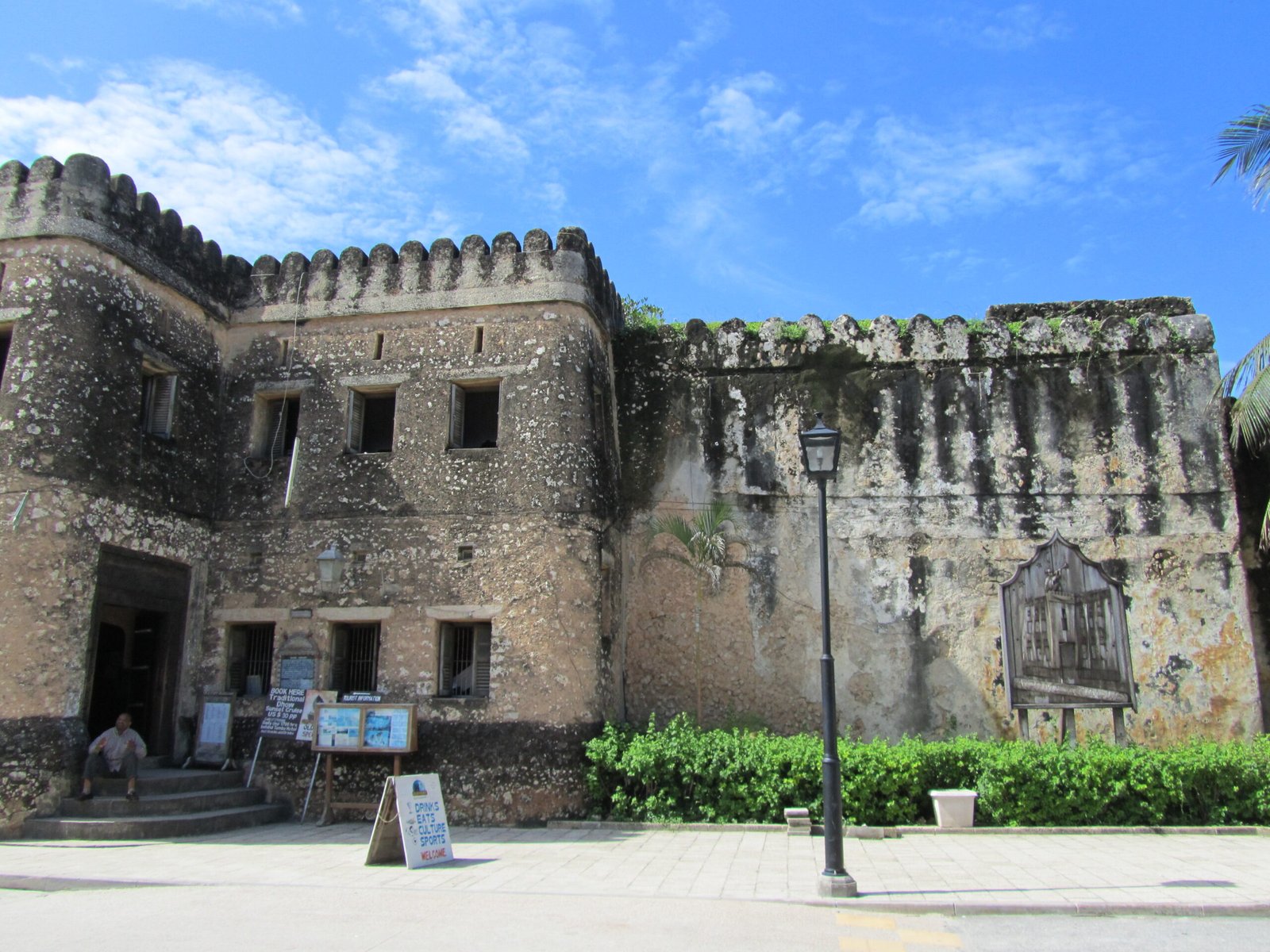
Omani Arabs built this solid fort around 1700 on top of a ruined Portuguese church, turning it into a stronghold to guard key trade routes. The design makes that purpose clear the moment you see it. Thick coral-stone walls rise high, openings stay small, and the whole layout turns inward to control movement. This is the oldest structure in Stone Town, and its role has shifted with every phase of power on the island. It started as a military garrison, then became a prison, and later served as a railway depot under British rule. Today, the same space feels open and active. The central courtyard now works as a cultural hub, with small craft shops and an open-air amphitheater that hosts local music. Imagine standing on the ramparts as the sea breeze moves through and the light turns warm. It feels less like a ruin and more like a place still in use.
- Entrance: Free for all visitors
- Hours: Open daily, with activity building from morning
- Best time: Late afternoon for cooler air and possible taarab music
- Pro tip: Walk the ramparts and check the craft stalls inside
Key takeaway: Start here to understand the city fast. One place shows how power, trade, and culture all shaped what you see today.
2. The Former Slave Market & Christ Church Cathedral
This is the most powerful place to visit in Stone Town Zanzibar, and it answers a harder question about the island’s past. The slave market here was closed in 1873 after British pressure, ending one of East Africa’s largest trading points. What remains is not just history on display. It is something you feel as you move through it. The underground chambers sit below ground, reached by narrow steps that lead into low, airless spaces. There are 15 small cells, and each once held up to 75 people. The ceilings feel close, the air feels heavy, and there was no sanitation. Even standing there for a short time feels uncomfortable, which makes the scale of what happened easier to grasp.
Above this space stands the Anglican Christ Church Cathedral. Its altar was placed exactly where the whipping post once stood, creating a clear and deliberate contrast. Outside, a memorial added in 1998 shows chained figures standing in a pit, silent but direct. You do not rush through this stop. You slow down without being told.
- Entrance: Ticket includes both chambers and cathedral
- Time needed: Allow at least 45 to 60 minutes
Key takeaway: This is where the history becomes real. It shifts the way the rest of the town is seen.
3. The Palace Museum (Beit El-Sahel)
The Palace Museum gives a clear answer to how Zanzibar was ruled and why that still matters today. It served as the home of the sultans from 1834 to 1964, and the experience inside feels more personal than grand. You walk through quiet rooms that show daily life, not just royal image. Simple wooden beds, old furniture, and personal belongings sit in place, giving a sense of how the family actually lived. Photographs of the last sultans line the walls, adding faces and moments to the story. Some rooms focus on private life, while others explain how the Sultanate grew in power and then came to an end. Nothing feels overly polished, which makes the space feel more honest than staged.
The entry fee is around 5,000 TZS, or about 2 USD, making it an easy stop for most travelers. Visiting early in the trip works well. The context here helps everything else in the town start to make sense as you explore further.
Key takeaway: Visit early to connect the dots. It turns buildings and streets into a story you can actually follow.
4. The House of Wonders (Beit-al-Ajaib)
Sultan Barghash built the House of Wonders in 1883 as his grand palace. It brought electricity, running water, and an elevator to East Africa first. The building towers white on the seafront with carved arches and doors. A partial tower collapsed in 2020, so the inside stays closed in 2026. You can only view the stunning exterior and the square it faces. Why plan around this change? First-time visitors often arrive expecting full access and face disappointment. The outside still delivers big for photos and vibes. Waves crash nearby while breezes carry salt air across the plaza. Imagine lavish parties from the sultan’s era as you snap shots. This spot shines free and quick for your travel album. Check disfrutazanzibar.com for any reopening news to stay ahead.
5. Stone Town’s Forodhani Gardens & the Night Food Market
Stone Town ignites at Forodhani Gardens when night falls on the seafront. Stalls burst open with sizzling grills and flickering lanterns that dance on water. Smoke swirls thick with spice scents while crowds haggle and laugh in the buzz. Why make this your top stop? It offers the easiest entry to Zanzibar’s street food scene full of flavor. The energy hooks you fast, much like my first chaotic night market in Thailand pulled me in deep. Seafood grills fresh from boats mix with frying chapattis in the salty air. Acrobats dive into the harbor for tips as you grab a harbor-side seat. Every bite pulses with local life and low prices.
- Zanzibar pizza packs crispy dough with meat, egg, and fresh veggies inside.
- Sugar cane juice flows fresh with zesty lime and ginger for refreshment.
- Grilled prawns come juicy and spiced straight off the glowing coals.
- Coconut bread warms your hands with its sweet, melt-away texture.
- Mishkaki skewers deliver smoky marinated beef or fish perfection.
6. Darajani Market
Darajani Market runs as Stone Town’s main hub where locals buy daily needs. Fresh vegetables stack high next to fish slabs and spice mounds in vivid colors. Why seek this over tourist spots? It immerses you in the island’s true rhythm of work and trade. Visit between 7 and 10 a.m. to catch the peak rush of vendors and shoppers. The fish section peaks afternoons with silver catches straight from the sea. Spice aisles tempt with scents that cling to your clothes for hours. Pick up khangas or kikoy textiles in bold Swahili prints for souvenirs. Bargain starts at 30 to 40 percent above fair price, so counter with a smile. Keep valuables secure since pickpockets note in reports adds caution. This place rewards bold steps with tastes like warm curry powder and juicy mango slices.
7. The Freddie Mercury Birthplace & Museum
Freddie Mercury entered the world as Farrokh Bulsara in Stone Town back in 1946. His Parsi family brought Zoroastrian traditions from Persia to this spice island setting. Why does this spot draw fans from everywhere? It links the Queen’s frontman to his humble roots in a plaque-marked home. The Kenyatta Road house now shows a small exhibit with photos and stories inside. Expect no massive museum, just honest glimpses that build real connection. His faith’s fire rituals add depth rarely covered in quick guides. Slot it into your walking tour for a quick 15-minute hit of inspiration. Locals share pride as you hum “Bohemian Rhapsody” nearby.
8. The Hamamni Persian Baths
Sultan Barghash commissioned the Hamamni Baths in the 1870s as Zanzibar’s first public steam spot. Persian design shines through with chambers linked by heated rooms and intricate stonework. Arches curve graceful while floors slope for drainage in steamy flow. The baths no longer steam up, but they open wide as a heritage site now. Why pick this gem? It skips the crowds at busier spots like the Old Fort or Slave Market. You wander quiet halls and trace history in peace. Stone walls whisper of old rituals as light filters soft through high vents. This stop suits folks craving calm amid the buzz. Pay a small entrance fee to step inside. Explore slow, feel the past soak in.
9. The Carved Doors of Stone Town
Stone Town fuses cultures best through its over 500 wooden carved doors still standing tall. Indian style rounds tops with lotus blooms while Omani Arab frames square off with Quran verses. Brass studs spike Indian flair as geometric cuts mark Omani craft. They turn random streets into a story hunt you decode step by step. Spot Tippu Tip’s house for one grand showstopper noted in top guides. Its door boasts deep reliefs that pull you close. Check the Old Dispensary too for ornate peaks and studs that gleam. Wander narrow lanes with eyes sharp on hinges and motifs. Each door spills tales of trade and faith. Ask yourself what verse hides in that carving. Snap close-ups. You leave seeing the city anew.
10. Prison Island (Changuu Island) — Day Trip
Short boat hops from Stone Town Zanzibar land you on Changuu Island’s quirky shores. Brits built it in the late 1800s as a prison that held zero inmates ever. It shifted to quarantine duty then fame for Aldabra giant tortoises over 100 years old. You stroll among 200-kilo beasts that are munch slow and eye you curious. Shells stack like living rocks under palms while history lingers in coral stone ruins. Waves lap white sands as guides share wild quarantine yarns. The vibe mixes chill beach with oddball facts you won’t forget. Tours run 3 to 4 hours total for easy fit.
- Boat ride clocks 25 to 45 minutes from Stone Town waterfront docks.
- Book reputable agency tours ahead to snag spots and safe boats.
- Pack sunscreen, water, hat, and cash for tortoise food handouts.
Where to Eat in Stone Town: Local Food Worth Knowing
Stone Town Zanzibar blends Swahili tastes from its coastal roots and spice trade past. Coconut curries simmer rich while pilau rice steams with saffron scents from Arab hands. Indian spices kick up grilled fish fresh off the sea in smoky glory. Zanzibar pizza folds like a crepe not Italy’s pie stuffed with meat and egg. Fresh sugar cane juice squeezes tart with lime for street refresh. Why chase these? They root you deep in island life beyond bland hotel plates.
Tourist strips near Forodhani push high prices and safe bets in bright lights. Dive alleys instead for local gems where Zanzibaris eat real. Lukmaan Restaurant nails authentic curries cheap as guides rave. Pick spots with locals packed tight for true flavor hits.
- Lukmaan Restaurant: Steaming pilau and biryani draw crowds daily for under $5 plates.
- Sanitary Fish Market: Grill your own catch fresh by the harbor in an open-air vibe.
- Mama Fatuma: Coconut seafood curries simmer slowly in a hidden alley nook.
- 6 Degrees South: Fusion twists on Swahili classics with sea views at dusk.
- Passing Show Restaurant: Cheap Zanzibar pizza and juices fuel your walking days.
Practical Information for First-Time Visitors to Stone Town
Stone Town welcomes you with narrow alleys and spice air but needs smart prep for smooth trips.
Getting There
Zanzibar’s Abeid Amani Karume Airport sits just 8 km from the city heart. Most fly in via Nairobi, Dar es Salaam, Doha, or Dubai hubs. Pick your ride from there to dive right into the buzz.
- Taxis run fixed at about USD 10 for a quick 30-minute dash.
- Rent a car for freedom if you plan island loops beyond town.
- Daladala buses squeeze cheap public rides for budget adventurers.
When to Visit
June through October brings dry days and cool breezes perfect for alley wanders. December to February shines sunny too with less rain in the mix. Skip April and May when long rains flood paths deep. Stone Town stays fun year-round unlike beach spots tied to weather whims. For a full seasonal breakdown, our best time to visit Zanzibar covers exactly when to plan your trip for the best experience.
Cultural Etiquette & Dress Code
Zanzibar runs over 99 percent Muslim so respect shapes every step you take. Cover up shoulders and knees around mosques, markets, and main streets. Locals smile at modesty which eases your way in warm.
- Keep shoulders covered in loose tops or shawls everywhere.
- Wear pants or long skirts past the knees for daily walks.
- Save swimwear strictly for beaches only no town struts.
- Skip public affection to match the chill local flow.
Money, Safety & Connectivity
Tanzanian Shillings rule but USD works wide in hotels and tours easily. ATMs dot town while contactless payments grow in cafes by 2026. Watch bags at busy spots like Darajani per reports. Plastic ban bites hard since 2019 so ditch carriers now. Our guide on is Zanzibar safe for tourists covers what you need to know before you arrive.
- Use USD cash for small buys; swap at banks for shillings.
- Guard valuables close in crowds but feel safe overall.
- Grab e-visa online or on arrival for quick entry.
- Mobile pay apps like M-Pesa pop up in trendy spots fast.
How Many Days Do You Need in Stone Town?
One day in Stone Town hits the big sights fast and light. Old Fort, Slave Market, and Forodhani Gardens fit tight with a quick alley stroll. Beach folks flip through fast before sunsets wipe all. Two days let you breathe deeper with a Prison Island trip snapping in smoothly. Walk markets slowly, taste street hits, and catch that night market buzz alive. Three or more days free you to get lost down hidden lanes full of spice dust and chatter. East African history seeps in when you slow your pace and wander off beats. Stone Town Zanzibar unravels richer with each extra dusk. After Stone Town, many travelers head straight to the island’s best shores — our guide to Nungwi Beach is a great next stop for planning your beach days.
- Morning: Old Fort entrance plus Slave Market tour for history smack.
- Afternoon: Alley walk with carved doors hunt and a Zanzibar pizza stop.
- Evening: Forodhani Gardens night market with seafood and sugar cane juice.
- Optional: Add Prison Island boat hop if you stretch to two days easy.
Conclusion
Stone Town pulls you in low and steady like a spice tide you can’t dodge. It insists you slow down, wander lost, and notice every carved door and creak. Arrive thinking beach resorts, but leave with Zanzibar’s history in your bones. Why stick around? This old town feels alive with stories that beach huts miss flat. Stone Town Zanzibar rewards night stays where lanterns glow and markets hum. Plan at least two nights to soak it in real. Couples planning a romantic stay will find our Zanzibar honeymoon guide useful for combining Stone Town nights with the island’s most beautiful beaches. Looking for Zanzibar tour packages that cover both the town and the coast? Use this guide as your jumping-off place, not a rigid list to check. Let the streets guide you wilder than maps can say.
You can also check our Zanzibar holiday packages before finalizing your trip. Stone Town is often the cultural highlight of Zanzibar and pairs perfectly with the island’s famous beaches. Get in touch on WhatsApp to receive customized travel advice, accommodation recommendations, and current package details.