
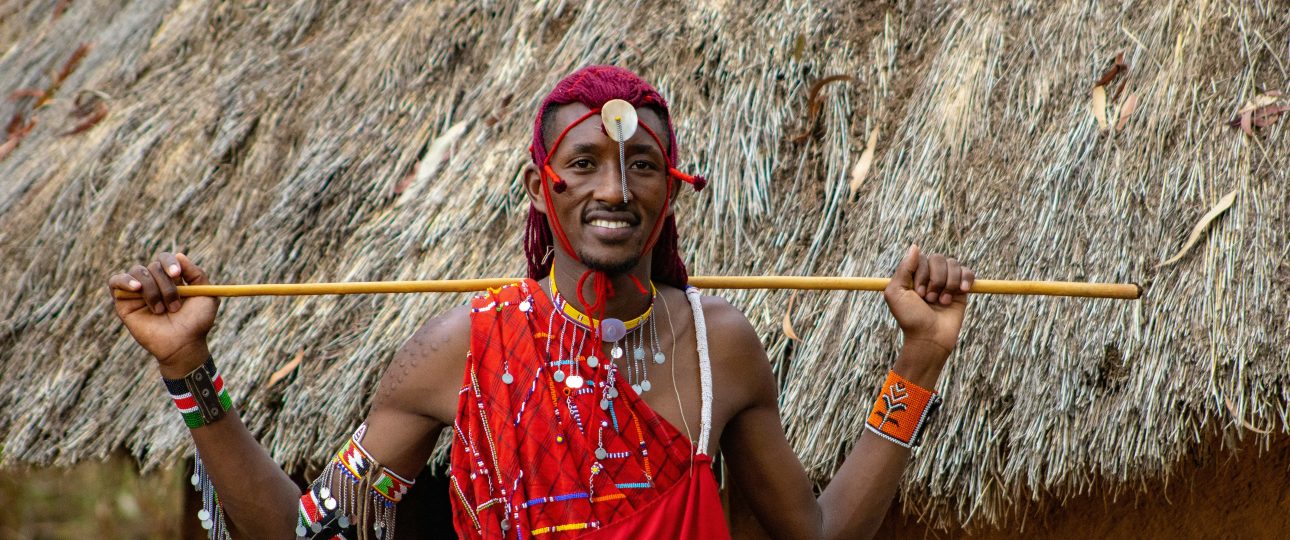
Cultural Etiquette: How to Respect Local Traditions
Travel is not just about visiting new places; it is about understanding and respecting different cultures. Cultural etiquette plays a major role in how travelers are perceived and treated.
Why Cultural Respect Matters
Respecting local customs fosters positive interactions, reduces misunderstandings, and helps preserve cultural heritage. It also enhances your travel experience by building genuine connections with local communities.
Dress Appropriately
Different cultures have different standards of modesty. In some countries, revealing clothing is considered disrespectful, especially in religious or rural areas. Research local dress codes before packing.
Greetings and Body Language
In some cultures, a handshake is common; in others, a bow or a verbal greeting is preferred. Certain hand gestures may be offensive in different parts of the world. Learning basic greetings and gestures shows respect and cultural sensitivity.
Dining Etiquette
Dining customs vary widely. Some cultures eat with their hands, while others use specific utensils. Tipping practices also differ—what is polite in one country may be offensive in another.
Educational Value
This blog promotes cultural awareness, empathy, and responsible tourism. Readers learn how to adapt to different social norms and communicate respectfully across cultures.