
Kenya offers some of Africa’s best safari parks, beaches, and wildlife trips, making it one of the most exciting places to visit in 2026 for Indian travellers. The country pulls people in fast. Big cats on open grasslands. Pink flamingos near soda lakes. Warm Indian Ocean beaches with white sand and clear blue water. Few places give you both safari and beach holidays in one trip. That’s the big draw.
Travel interest in Kenya has grown again for 2026. And for good reason. More Indian families, honeymoon couples, and friend groups now want trips that feel raw and different. Kenya does that well. A sunrise game drive in Maasai Mara feels nothing like a Europe city break. The air smells of wet grass and dust after early rain. You hear lions before you spot them. That sticks. The best places to visit in Kenya also fit many budgets. Luxury camps exist. So do simple safari stays near national parks.
You can also explore our Things to do in Kenya guide if you’re planning a detailed Kenya itinerary. From wildlife safaris to cultural experiences, Kenya offers much more beyond just sightseeing spots. Get in touch on WhatsApp to get personalized recommendations, activity options, and updated travel pricing before you book.
1. Masai Mara National Reserve
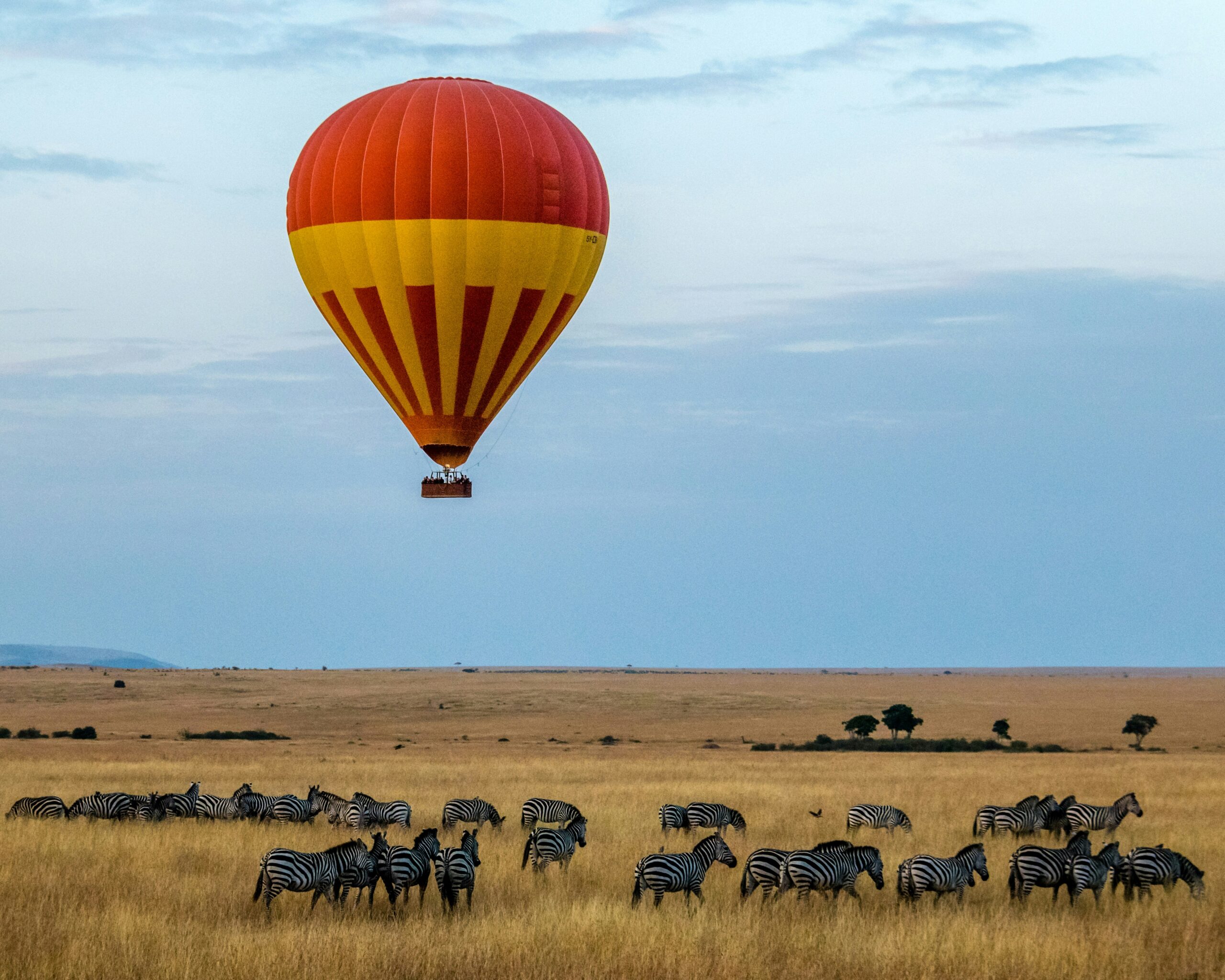
Masai Mara sits at the heart of most Kenya travel plans and that makes sense. This is the safari image people carry in their heads before they land in Africa. Endless grass plains. Lions resting near dusty tracks. Hot air balloons at sunrise. It feels huge in person, bigger than photos show.
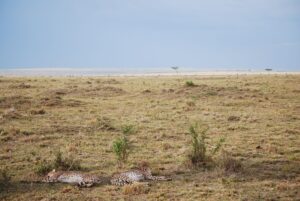
The reserve ranks among the top Kenya famous places because wildlife sightings happen fast here. A morning jeep drive can turn wild within minutes. Then three cheetahs sit beside the road like house cats. Indian families often compare it to watching a live nature show with no screen in front of you. The silence hits first. Luxury camps bring private decks and fine dining. Budget safaris keep things simple but still close to the action, both work well.
Best Time to Visit Masai Mara
July to October brings the Great Migration. Thousands of wildebeest cross the Mara River then. Early mornings stay best for game drives, the light looks unreal.
2. Nairobi
Nairobi surprises many first-time visitors. People expect only a busy African capital. Then they spot giraffes and rhinos near city roads. That contrast feels strange at first in a good way.
The city works as the main entry point for most Kenya trips. Nairobi National Park sits just outside the center. You can watch lions in the morning and drink coffee in a modern café by lunch. Few capitals offer that mix. Giraffe Centre stays popular too, mostly with families and honeymoon couples. Feeding giraffes there feels oddly calm after Nairobi traffic.
Indian travellers usually find local pricing fair compared to Dubai or Singapore. SIM cards from Safaricom work well and set up fast at the airport. Use hotel taxis or trusted ride apps at night. That matters.
Best Things to Do in Nairobi
- Visit Nairobi National Park
- Feed giraffes at Giraffe Centre
- Try nyama choma and local coffee
- Shop at Maasai markets
3. Diani Beach
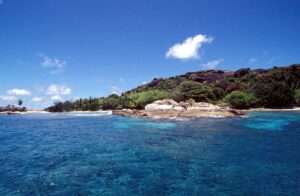
Diani Beach brings a softer side of Kenya. After dusty safari roads and early game drives, this coast feels slow and calm. White sand stretches for miles. Palm trees lean toward bright blue water. The beach stays clean too. Really clean. Many Indian travellers compare Diani to Goa at first. But the vibe feels quieter and less packed. You hear waves more than loud music here. That changes the whole mood. Honeymoon couples love it for that reason alone.
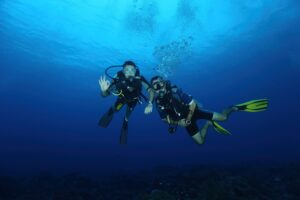
Water sports stay big along the coast. Scuba diving trips head toward coral reefs with clear visibility most days. Kite surfing also picks up during windy months. Or you can do nothing at all. That works too.
Best Time for Beach Activities
January to March stays sunny and dry. July through October also works well for beach weather and diving trips. Diani ranks high among kenya tourist places because it balances safari-heavy trips so well. One week of wildlife, then this smart mix.
4. Amboseli National Park
Amboseli feels different from Masai Mara right away. The space looks wider and the skies feel bigger. Then Mount Kilimanjaro appears behind the elephants and everything stops for a second. The view does the heavy lifting here. The park ranks high among family safari picks because animal sightings stay easy even during short drives. Large elephant herds move across open land each day. Kids love that part. And the roads feel less crowded than Mara during peak months.
Dry season game drives work best from June to October. Fewer bushes block the view then. Dust rises behind safari jeeps while zebras cross the tracks ahead. That scene shows up in half the Kenya postcards for a reason.
Read the comparison between: Diani Vs Mombasa
Why Amboseli is Famous for Photography
Photographers chase Amboseli for one thing first. Clear mornings create sharp mountain backdrops behind elephants and giraffes. Sunrise light looks golden for barely twenty minutes. Miss it and the magic fades fast.
5. Lake Nakuru National Park
Lake Nakuru feels calmer than Kenya’s bigger safari parks. The pace slows down here. Fewer jeeps, less noise. That shift matters after busy game drives in Masai Mara. The lake became famous for its flamingos first. Huge pink flocks once covered the shoreline so heavily that the water looked pink from far away. Numbers now change with water levels and season, but birdwatching still stays excellent. Pelicans, storks, and fish eagles appear often. Bring binoculars, you’ll use them.
Rhino sightings make this park stand out too. Both black and white rhinos live here under strong protection. Spotting one near the lake feels special because sightings stay harder in many African parks now.
What Makes Lake Nakuru Special
- Flamingos and birdlife
- Rhino sightings
- Short safari access from Nairobi
- Peaceful lake views
6. Mombasa
Mombasa mixes beach life with deep Swahili history. The city feels older than Nairobi in every way. Narrow streets twist through Old Town while carved wooden doors sit beside small spice shops. You smell grilled seafood before you see it and that’s part of the charm. Fort Jesus remains the city’s biggest historic site. Portuguese rulers built it centuries ago near the coast. The walls still face the ocean today. Local guides tell wild stories there. Some sound almost unreal.
Indian travellers often settle into Mombasa quickly because food feels familiar in parts of the city. Coconut curries, biryani, samosas, and grilled meats appear across local cafés and street stalls. The flavors lean Swahili but the Indian influence runs deep. Beach resorts near Nyali and Bamburi attract honeymoon couples and family groups alike. The water stays warm most months. So do the evenings. Mombasa feels lively, not polished. That’s why many people enjoy it.
7. Tsavo National Park
Tsavo delivers a rougher safari feel than most Kenya parks. Roads stretch far into dry red land with barely another jeep in sight. Some people love that instantly, others find it too wild. That’s the point. The park splits into Tsavo East and Tsavo West together forming one of the largest wildlife areas in Kenya. Elephants here often look red because they roll in iron-rich dust. The color sticks to their skin, a strange sight at first. Adventure travellers usually rate Tsavo highly because the safari feels less staged. You drive longer without guaranteed sightings. Then suddenly a lion crosses the road alone at sunset. Sounds dramatic? It happens here.
The landscapes shift fast too. Lava fields, rocky hills and open plains. Palm-lined springs with crocodiles nearby, every drive feels different. Tsavo asks for patience. That’s why wildlife lovers rate it so highly. You earn the sightings here,different mood entirely.
8. Mount Kenya
Mount Kenya offers a totally different side of the country. No safari jeeps here, no beach resorts either. Just cold air, forest trails, and steep mountain views that keep changing with height. Many Indian trekkers compare it to easier Himalayan routes near Uttarakhand or Sikkim. The big difference comes from altitude. Mount Kenya climbs fast. Even fit hikers feel the thinner air after a point. Headaches happen, slow pacing helps a lot. The trekking routes range from beginner-friendly forest walks to harder summit climbs. Most first-time visitors choose shorter routes with lodge stays along the way. That works well for families too.
The scenery changes almost every few hours. Dense forest turns into bamboo zones, then open rocky landscapes with giant plants that look almost fake. Early mornings stay freezing near higher camps. Pack warm layers, really warm ones. Mount Kenya feels quiet compared to safari parks and that’s part of its pull.
9. Lamu Island
Lamu Island moves at its own pace. Slow mornings, quiet alleys. Wooden doors carved by hand generations ago. The island feels far from modern city life, and that’s exactly why people go. This UNESCO-listed town keeps old Swahili culture alive in a way few coastal places still manage. Cars barely exist here. Donkeys and walking paths shape daily life instead. The narrow streets twist tightly between white stone houses and shaded courtyards. First-time visitors get lost fast and they’re right to wander.
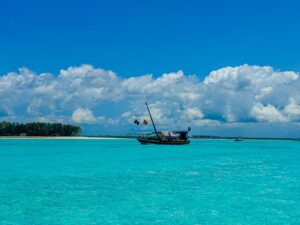
Dhow rides stay a big part of the Lamu trip. Local wooden boats sail across calm blue water during sunset while the call to prayer drifts through town. The mood changes completely after dark. Softer and quieter. Indian travellers who enjoy slow travel usually connect with Lamu quickly. No packed sightseeing schedule. No loud beach clubs. Just sea breeze, old Swahili buildings, rooftop dinners, and long conversations near the shore.
10. Hell’s Gate National Park
Hell’s Gate breaks the normal safari routine completely. No sitting inside a jeep all day. No waiting quietly beside animal tracks either. Here, you move through the park yourself. On a bicycle. That shift makes Hell’s Gate stand out among Kenya parks. People cycle past zebras, giraffes, and antelope along open dirt roads with giant cliffs nearby. Sounds unreal? It feels that way in person too. The park also pulls adventure travellers who want more than wildlife photos. Hiking trails cut through rocky canyons with steep walls and hot geothermal spots nearby. Some sections look almost volcanic.
Why Hell’s Gate Feels Different
- Cycling instead of jeep safaris
- Hiking and rock scenery
- Fewer crowds
- Short distance from Nairobi
Families often stop here during road trips between Nairobi and Lake Naivasha. Carry water before biking though the midday heat hits hard. Hell’s Gate feels active, Not passive, Big difference.
11. Samburu National Reserve
Samburu feels remote from the second you arrive. The roads grow rougher. Camps spread farther apart. Tourist jeeps thin out fast. That isolation gives the reserve its strongest appeal. The safari here feels less crowded and more raw than Masai Mara. Wildlife sightings still happen often, but the experience stays quieter. You hear wind across dry bushland instead of ten safari vehicles chasing one lion.
Samburu also protects animals harder to spot elsewhere in Kenya. The reserve became famous for species like Grevy’s zebra, reticulated giraffe, and Somali ostrich. Even repeat safari visitors notice the difference immediately. Indian travellers should expect longer drives and fewer luxury comforts in some camps. Why does that matter? Because Samburu rewards patience more than convenience. You come here for the feeling of distance and silence.
Sunsets turn deep orange over dusty plains while elephants cross dry riverbeds below. The landscape looks harsh at first, then it grows on you slowly.
12. Watamu
Watamu beach brings together beach life and marine adventure in one easy coastal town. The vibe feels relaxed from the start. Smaller crowds and slower streets. Clear blue water stretching beside white sand beaches. The coral reefs here attract snorkelling and diving trips throughout the year. Sea turtles, bright reef fish, and dolphins appear often near Watamu Marine Park. Kids usually love this part most. Glass-bottom boat rides keep things simple for families who do not want full diving tours.
Indian travellers often compare Watamu to quieter beach towns in the Andamans. The sea feels cleaner than many crowded tourist beaches back home. Less noise too. You hear birds and waves more than traffic. Snorkelling trips work best during calm morning hours when visibility stays clear underwater. Local guides know the reef areas well, but sea shoes help because coral edges feel sharp.
Watamu suits families, honeymoon couples, and slower coastal trips equally well. Stay flexible here, the town works best without tight schedules.
Travel Tips for Travellers Visiting Kenya
- Apply for the Kenya eVisa online before booking safari camps or flights
- Carry some US dollars because many safari camps prefer cash tips in USD
- Buy a Safaricom SIM card at Nairobi airport for strong internet coverage across Kenya
- Vegetarian food stays easy to find in Nairobi, Mombasa, and major safari lodges
- Inform camps early if you need Jain meals or strict vegetarian cooking options
- Safari trips cost more during July to October because migration season draws heavy crowds
- Shared jeep safaris help families lower transport and guide costs during longer trips
- Early safari mornings feel cold, so pack light jackets before game drives begin
- Speak with a doctor about malaria pills and basic travel vaccines before departure
- Use hotel taxis or trusted ride apps after dark in bigger cities
- Keep small cash ready for local markets, tipping guides, and short transport rides across kenya places to visit
Conclusion
Kenya brings together almost every kind of trip people imagine before visiting Africa. One day starts with lions crossing open grasslands at sunrise. The next ends beside calm Indian Ocean beaches with fresh seafood and warm sea air. Few countries balance wildlife, adventure, coast, and culture this well. The best places to visit in Kenya create the kind of stories people keep talking about years later. For many travellers, this becomes the dream safari trip they waited years to take. A true once-in-a-lifetime African journey.
You can also check our Best time to visit Kenya safari guide before finalizing your travel dates. The experience of visiting Kenya changes greatly depending on the season you choose. Get in touch on WhatsApp to receive customized travel advice, safari planning help, and current package details.